

Aparna Upadhyay
Malacology Laboratory, Department of Zoology, DDU Gorakhpur University, Gorakhpur, 273 009, U.P., India
Pooja Agrahari
Malacology Laboratory, Department of Zoology, DDU Gorakhpur University, Gorakhpur, 273 009, U.P., India
D.K. Singh
Malacology Laboratory, Department of Zoology, DDU Gorakhpur University, Gorakhpur, 273 009, U.P., India
International Journal of Pharmacology
Year: 2015 | Volume: 11 | Issue: 5 | Page No.: 405-413





ABSTRACT
Plant Momordica charantia Linn., known as bitter gourd, belongs to family Cucurbitaceae. It is cultivated throughout India, Malaya, China, Tropical Africa and America. Earlier claims showed that its bitter fruits have carminative, aphrodisiac and anthelmintic properties are used in syphilis, rheumatism, troubles of spleen and ophthalmia. It is also useful in piles, leprosy, jaundice and used as a vermifuge. Literature review reveals that the fruit of plant contains moisture (83.2%), proteins (2.9%), fat (1.0%), carbon (9.8%), fibers (1.7%), mineral matters (1.4%), calcium, phosphorus, iron, carotene, thiamine, nicotinic acid, riboflavin, ascorbic acid (88 mg/100 g), copper and potassium. Charantin, β-sitosterol-glucoside, stigmast-5, 25-dien-3 β-O-glucoside, stigmast-7, 25-dien-3 β-ol and stigmast-7, 22, 25-trien-3 β-ol are isolated from the fruit. Many pharmacological properties of M. charantia have been reported, including antioxidant, adipogenesis-reducing, antilipolytic, hypoglycemic, antidiabetic, anticancer, antifertility, anthelmintic, antimicrobial, antiviral and hepatoprotective activity. The present review highlights the salient pharmacological uses of Momordica charantia.
PDF Abstract XML References Citation
Article History
Received: March 31, 2015;
Accepted: May 27, 2015;
Published: June 19, 2015
How to cite this article
Aparna Upadhyay, Pooja Agrahari and D.K. Singh, 2015. A Review on Salient Pharmacological Features of Momordica charantia. International Journal of Pharmacology, 11: 405-413.
DOI: 10.3923/ijp.2015.405.413
URL: https://scialert.net/abstract/?doi=ijp.2015.405.413
DOI: 10.3923/ijp.2015.405.413
URL: https://scialert.net/abstract/?doi=ijp.2015.405.413
INTRODUCTION
The plant Momordica charantia L., Cucurbitaceae, is known variously as bitter gourd, balsam pear, bitter melon, bitter cucumber and African cucumber (Dasgupta et al., 2009; Heiser, 1979). Although it has many culinary uses, especially in South, Southeast and East Asia, it is also grown as an ornamental and is used extensively in folk medicine (Heiser, 1979; Sharma et al., 2011). The fruits are cooked with other vegetables, stuffed, stir-fried or added in small quantities to beans and soups to provide a slightly bitter flavor. However, for most food preparation, fruits are blanched, parboiled or soaked in salt water before cooking to reduce the bitter taste. In addition to frying or cooking (e.g., for curries), the fruits can be dehydrated, pickled, or canned. Fruits, flowers and young shoots are also used as flavoring agents in various Asian dishes. Young Momordica shoots and leaves are also cooked and eaten as leafy vegetables, leaf and fruit extracts are used in the preparation of tea (Reyes et al., 1994; Tindall, 1983). Unlike other cucurbitaceous vegetables, the bitter fruit flavor of M. charantia is considered desirable for consumption and thus bitter flavor has been selected during domestication (Marr et al., 2004). The present review highlights the salient pharmacological uses of Momordica charantia.
Taxonomy: Kingdom: Plantae, Division: Magnoliophyta Class: Magnoliopsida, Order: Violales, Family: Cucurbitaceae Genus: Momordica and Species: Charantia.
Origin and distribution: The original home of the species is not known, other than that it is a native of the tropics. Bitter melon grows in tropical areas, including parts of the Amazon, East Africa, Asia and the Caribbean. It is widely grown in India and other parts of the Indian subcontinent, Southeast Asia, China, Africa and the Caribbean (Warrier et al., 1995; Nadkarni, 1993).
Cultivation: It is a genus of annual or perennial climbers found throughout India and is cultivated up to an altitude of 1500 m. It is cultivated during warm season i.e., during April to July by using 2-3 seeds in a pit. The pits are prepared at a distance of half a meter and provided with manures. Only one plant is retained and seedlings are watered once or twice a week. Plants begin to flower in 30-35 days, after sowing and the fruits are ready for harvesting after 15-20 days from flowering.
Botanical description: Momordica charantia (Bitter melon or Bitter gourd) is a flowering vine in the family Cucurbitaceae.
Plant: Annual, slender climber, 2-4 m high, scarcely to densely pubescent (tender parts woody), monoecious.
Stem: Round, internodes 5-6 cm, tendrils delicate and 12-15 cm long.
Leaf: Deeply and palmately, 5-9 lobed, reniform to orbicular or suborbicular in outline, 2.5-8×4-10 cm, cordate at base, acute or acuminate at apex, lobes ovate or obovate, narrowed at base, margins sinuate to undulate, mucronate, petioles 1.5-5 cm long.
Flower: Male flower stalks slender with bract midway or toward base; peduncle 2-5 cm long, bract reniform, 5-11 mm diameter, green, pedicel 2-6 cm long; receptacle-tube cup shape, 2-4 mm long and 2-3 men wide; sepals ovate-elliptic, 4-6×2-3 mm, pale green; petals obovate, 10-20×7-15 mm, mucronate at apex, scales 2; filaments 1.5-2 mm long, inserted in the throat of the receptacle tube: Anthers coherent. Female flower peduncle 1-6 cm long; bract 1-9 mm diameter; pedicel 1-8 cm long: Sepals narrow, oblong lanceolate, 2-5 mm long; petals smaller than or equal to that in male, 7-10 mm long; ovary fusiform, narrowly rostrate, 5-11×2-3 mm, muricate, tuberculate or longitudinally ridged; style 2 rare long.
Fruit: Pendulous, stalk 2-8 cm long; fruit discoid, ovoid, ellipsoid to oblong or blocky, often narrowed at ends, sometimes finely rostrate, 3-20×2-5 cm, white or green turning orange on maturity, soft tuberculate with 8-10 broken or continuous ridges, splitting from base in to 3 irregular valves.
Seed: The 5-30, squarish rectangular, ends subtridentate, faces compressed, sculptured, 5-9×3-6 rare, margins grooved; testa brown or black.
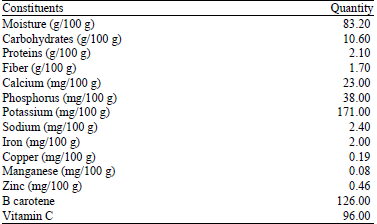
Nutritional uses: Bitter gourd fruits are a good source of carbohydrates, proteins, vitamins and minerals (Table 1) and have the highest nutritive value among cucurbits (Desai and Musmade, 1998; Miniraj et al., 1993). The vitamin C content of Chinese bitter gourd varies significantly (440-780 mg kg-1 edible portion). Considerable variation in nutrients, including protein, carbohydrates, iron, zinc, calcium, magnesium, phosphorous and ascorbic acid has been observed in bitter gourd (Yuwai et al., 1991). Moreover, the crude protein content (11.4-20.9 g kg-1) of bitter gourd fruits is higher than that of tomato and cucumber (Xiang et al., 2000).
| Table 1: | Proximate constituents and nutrient composition of bitter gourd (Momordica charantia L.) fruits |
 | |
Medicinal properties: Bitter gourd has been used for centuries in the ancient traditional medicine of India, China, Africa and Latin America. Bitter gourd extracts possess antioxidant, antimicrobial, antiviral, antihepatotoxic and antiulcerogenic properties while also having the ability to lower blood glycaemia (Raman and Lau, 1996; Welihinda et al., 1986). These medical activities are attributed to an array of biologically active plant chemicals, including triterpenes, pisteins and steroids (Grover and Yadav, 2004). Ethnomedicine reports of M. charantia indicate that it is used in folkloric medicine for treatment of diabetes, various ulcers and infections (Beloin et al., 2005; Gurbuz et al., 2000). While the root decoctions have abortifacient properties, leaf and stem decoctions are used in treatment of dysentery, rheumatism and gout (Subratty et al., 2005). In addition, juice of M. charantia drawn directly from fruit has traditionally been used for medicinal purposes worldwide. Likewise, the extracted juice from leaf, fruit and even whole plant are routinely used for treatment of wounds, infections, parasites (e.g., worms), measles, hepatitis and fevers (Behera et al., 2008).
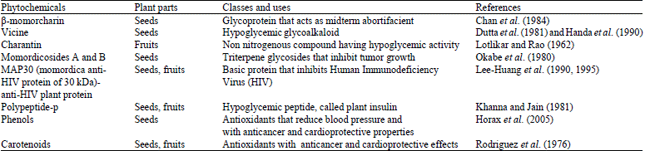
Phytochemical constituents: M. charantia primarily consists of glycosides, proteins, sterols, fatty acids and volatile constituents (Haque et al., 2011; Lee et al., 2009) (Table 2). The fruit and leaves of the plant contain two alkaloids one of them being momordicin. The plant contains a glycoside, a saponin like substance, a resin with an unpleasant taste, an aromatic volatile oil and mucilage. The seeds contain an alkaloid (236°C) and an anthelmintic principle in the germ; they also contain urease (Rivera, 1941). The fruit contains ascorbigen, a bound form of ascorbic acid. Large sized fruits, borne by certain types of M. charantia, are richer in ascorbigen than small fruits borne by other cultivated types. The free amino acids present in the fruit are aspartic acid, serine, glutamic acid, threonine, alanine, γ-amino butyric acid and pipecolic acid. The green fruit contains luteolin (flavone, a type of flavonoid). Carotene is the principal pigment of carpels, while lycopene characterizes the red aril (Ganju and Puri, 1959). The fruit pulp has soluble pectin but no free pectic acid.
| Table 2: | Major phytochemicals in bitter gourd (Momordica charantia L.) fruit and their health benefits |
 | |
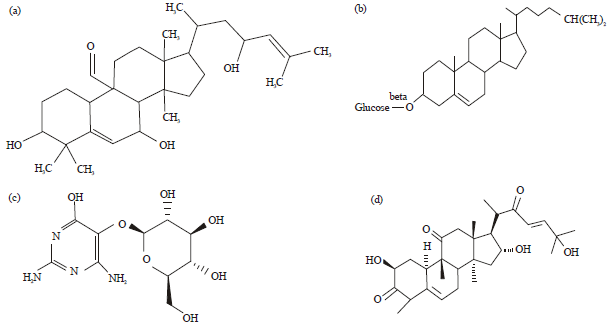 | |
| Fig. 1(a-d): | Structures of some phytoconstituents isolated from Momordica charantia, (a) Momordicin, (b) Charantin, (c) Vicine and (d) Cucurbitacin |
Research has found that the leaves are nutritious sources of calcium, magnesium, potassium, phosphorus and iron; both the edible fruit and the leaves are great sources of the Vitamins B. M. charantia has a non nitrogenous neutral principle charantin (266°C) and on hydrolysis gives glucose and a sterol (Dhalla et al., 1961). The fruit pulp of M. charantia has soluble pectin but not having free pectic acid. Galactouronic acid is also obtained from the pulp. M. charantia fruits also contain saponins, alkaloids, reducing sugars, resins and phenolic constituents. The presence of an unidentified alkaloid and 5-hydroxytryptamine is also reported. The ether extract residue of the alcoholic concentrate from the leaves of M. charantia is reported to reveal hypoglycemic activity comparable to that of tolbutamide (Rastogi and Mehrotra, 1998a; Srivastava et al., 1993).
Terpenoids: Terpenoids are natural product and derived from five-carbon isoprene units. These are the largest groups of naturally occurring chemicals. This class has been subdivided according to the number of carbon atoms. The triterpenoids are terpenoids with a C30 skeleton. These C30 constituents are isolated and characterized from various sources in nature, particularly in resins and may occur as either esters or glycosides. More extensive backbone rearrangement of the protostane cation affords the curcubitane skeleton. Curcubitacins are typical group of curcubitane type triterpenoids which are found in cucumber family (Cucurbitaceae). They are generally known for their bitterness and toxicity (Lee et al., 2009). The cucurbitane triterpenoids I, II and III are isolated from leaves along with the momordicin I and II (Rastogi and Mehrotra, 1998b). A series of cucurbitane type triterpene glycosides called goyaglycosides have been isolated along with momordicosides. The pyrimidine, arabinopyranosides, charantin, vicine and others along with the triterpene momordicin, momordicinin has been reported (Fig. 1). Charantin is cucurbitane type triterpenoid in M. charantia and a potential substance which has antidiabetic properties. Charantin is mixture of two compound sitosteryl glucoside and stigmasteryl glucoside.
Proteins: The α, β and γ momorcharins with N-glycosidic activity and momordins a and b were identified along with ribosome inactivating proteins and lectins (Rastogi and Mehrotra, 1998c).
Sterols and fatty acids: Palmitic acid and oleic acid are major components with trace constituents such as stearic acid, lauric acid, linoleic acid, arachidic acid, myristic acid and capric acids. The β-sitosterol, compesterol, daucosrerol and momordenol were identified in seed oil as the sterols. The four mono methylsterols are also presently known as obtusifoliol, cycloeucalenol, 4-α-methylzymosterol, lophenol and the desmethylsterols spinasterol (Rastogi and Mehrotra, 1998d).
Volatile constituents: Voleric acid, aldehydes mainly pentanal, 2 hexenal, 2 heptenal and nonadienal. The 2 butylfusan, menthol, nerolidol, pentadecanol, hexadecanal, mystenol and 3 hexanol are present as volatile constituent in M. charantia fruit (Williamson, 2002).
Pharmacological actions
Hypoglycaemic activity: Bitter gourd extracts traditionally used as vegetable insulin possess hypoglycemic, antioxidative and antidiabetic activities (Birdee and Yeh, 2010; Fang and Ng, 2011) that are useful in the treatment of diabetes (Baynes, 1995). The hypoglycemic effects of extracts have been well documented in animal (Ahmed et al., 1998, 2001; Grover et al., 2002; Leung et al., 2009; Ooi et al., 2010; Rathi et al., 2002; Raza et al., 2000) and human (Srivastava et al., 1993; Welihinda et al., 1986) experiments. The beneficial hypoglycemic properties in fruit pulp, seed and whole plant extracts have also been documented in rat (Jayasooriya et al., 2000; Ojewole et al., 2005) and the medicinal attributes of such extracts have received broad review (Basch et al., 2003; Krawinkel and Keding, 2006; Subratty et al., 2005). One study cites that there was a significant increase in the number of cells in the pancreas of streptozotocin-induced diabetic rats after 8 weeks of bitter gourd fruit juice treatment (Ahmed et al., 1998). M. charantia has tremendous beneficial values in the treatment of diabetes mellitus (Garau et al., 2003; Nahas and Moher, 2009). The hypoglycemic effect of these chemicals is more pronounced in fruit, where they are present in higher abundance. These hypoglycemic compounds either regulate insulin release directly or alter glucose metabolism and its insulin-like effect. Abdollahi et al. (2011) reported that M. charantia fruit aqueous extract might have a significant role in alleviating kidney damage in the streptozotocin- induced diabetic rats. Bitter melon effectively ameliorates the fructose diet-induced hyperglycemia, hyperleptinemia, hyperinsulinemia and hypertriglyceridemia as well as decreases the levels of Free Fatty Acid (FFA) (Shih et al., 2009).
Antioxidant activity: The antioxidant properties of carotenoids that protect plants during photosynthesis may also protect humans from carcinogens and mitigate free radical effects associated with heart disease. Natural antioxidants, primarily plant phenolics and polyphenolic compounds (e.g., in fruits and seeds of bitter gourd), are alternatives to synthetic antioxidants for alleviating oxidative deterioration in fruit. For instance, bitter gourd fruit contains as many as 14 carotenoids depending on stage of maturity, where cryptoxanthin becomes the principal chloroplast and chromoplast pigment found in ripe fruit (Rodriguez et al., 1976). Other carotenoids, such as β-carotene, zeaxanthin, lycopene (at ripe stage) and lutein are also prevalent in the fruits, where they could serve as a model for studying carotenogenesis during ripening (Rodriguez et al., 1976). The plant phenolic compounds are potentially excellent natural sources of food antioxidants, given their abilities to reduce total cholesterol/triglycerides (Ahmed et al., 2001; Jayasooriya et al., 2000), blood pressure and the incidence of cancer and cardiovascular diseases (Gorinstein et al., 2002; Hannum, 2004). Semiz and Sen (2007) reported that M. charantia fruit extract possesses anti-oxidant effects besides having chemoprotective activities in rats.
Antifertility effects: Excessive consumption of the fruit and leaves of bitter gourd can reduce sperm production (Prakash and Mathur, 1976). Bitter gourd ethanol seed extracts have also shown to have potent male antifertility effects (Basch et al., 2003) when administered to dogs (Dixit et al., 1978) and guinea pigs (Udoh et al., 2001).
Antiviral activity: In recent years, a number of chemical component that possess medicinal attributes have been isolated from bitter gourd, such as c-momorcharin which inactivates ribosome function (Feng et al., 1990; Leung et al., 1997) and stimulates MAP30 (Momordica anti-HIV protein) production which in turn, simultaneously suppresses HIV (human immunodeficiency virus) activity (Lee-Huang et al., 1990, 1995). Interestingly, momordicoside A and B present in bitter gourd inhibit tumor growth (Okabe et al., 1980) and several bitter gourd phytochemicals have in vitro antiviral activity against viruses including Epstein-Barr, herpes and HIV viruses (Lee-Huang et al., 1990; Nerurkar et al., 2006).
Antimicrobial activity: The leaf extracts of bitter gourd possess antimicrobial activity principally against Escherichia coli, Staphylococcus, Pseudomonas, Salmonella, Streptobacillus and Streptococcus (Leelaprakash et al., 2011; Omoregbe et al., 1996). Moreover, whole plant extracts have shown antiprotozoal activity against Entamoeba histolytica. Generally, fresh fruit extracts have exhibited similar antibacterial properties against all bacterial strains tested, specially Escherichia coli (Costa et al., 2011); fruit extracts of M. charantia have demonstrated activity against tuberculosis and the stomach ulcer causing bacteria Helicobacter pylori (Omoregbe et al., 1996; Yesilada et al., 1999). Application of bitter gourd fruit powder to wound sites is similarly effective in stimulating tissue regeneration and wound healing in rats (Prasad et al., 2006). Aqueous extracts of seeds of M. charantia exhibited higher antibacterial activity as compared to its petroleum ether, methanolic and ethanolic extracts towards Staphylococcus aureus (Roopashree et al., 2008). Mahmood et al. (2012) investigated the antimicrobial activity of M. charantia seed extracts against mammalian and poultry pathogens. The aqueous seed extract showed the highest antimicrobial activity against Pasteurella multocida while ethanol, n-hexane and petroleum ether extracts were effective against Staphylococcus aureus.
Antifeedant activity: Ling et al. (2008) reported that ethanolic extracts of M. charantia leaves show antifeedant activity against the diamondback moth, Plutella xylostella larvae. The results showed that momordicin I and momordicin II had significant antifeedant activity on the larvae of Plutella xylostella and momordicin II was more active than momordicin I. In addition, momordicin I and momordicin II had significant inhibitive effect on the rate of weight gain and survival of Pluella xylostella larvae. Yasui (2002) demonstrated that methanolic extract of M. charantia leaves inhibited feeding of two armyworm larvae, Spodoptera litura and Pseudaletia seperata. Momordicin II, a triterpene monoglucoside was identified as an antifeedant compound.
Anti-cancer activity: The anti-tumor activity of bitter melon has recently begun to emerge (Fang and Ng, 2012). Bitter Melon Extract (BME) modulates signal transduction pathways for inhibition of breast cancer cell growth and can be used as a dietary supplement for prevention of breast cancer (Ray et al., 2010). Nerurkar and Ray (2010) reviewed the recent advancements in cancer chemopreventive and anti-cancer efficacy of bitter melon and its active constituents. Asiamah et al. (2011) investigated the chemopreventive properties of bitter melon on azoxymethane (AOM)-induced Aberrant Crypt Foci (ACF) in Fisher 344 male rats and determined its effects on selected hepatic detoxification and antioxidant enzymes. Gunasekar (2011) reported in his doctoral thesis that M. charantia can be used frequently as an anti-cancer agent. The green leaves, fruits, seeds and stems of M. charantia are composed of many different proteins and steroids that are chemically active. These proteins are α and β momorcharins which possess anti-cancer and anti-HIV properties similar to crude wat er and methanol soluble extracts of M. charantia.
Analgesic and anti-inflammatory activity: Ullah et al. (2012) evaluated that M. charantia fruit extract exhibits analgesic and anti-inflammatory activities. Acetic acid induced writhing test and tail immersion test in mice were used to study the analgesic effect, while the effect of extract on acute inflammation was investigated by carrageenan-induced paw edema in rats. The oral administration of M. charantia extract up to 2 g kg–1 in mice was found to be safe. The extract significantly inhibited acetic acid induced writhing and tail immersion test induced pain at dose 500 mg kg-1. The ethanolic extract showed 42.10% anti-inflammatory effect at dose 500 mg kg-1.
Antipyretic effect: The ethanolic extracts (500 mg kg-1) of M. charantia fruit showed antipyretic effect in a study which was carried out using yeast-induced pyrexia in rats. The antipyretic activity of M. charantia may be due to the individual or combined action of bioactive constituents present in it (Patel et al., 2010).
Adipocyte inhibition: Bitter melon can suppress the visceral fat accumulation and inhibit adipocyte hypertrophy which may be associated with markedly down regulated expressions of lipogenic genes in the adipose tissue of rats fed a high fat diet. Bitter melon appears to have multiple influences on glucose and lipid metabolism that strongly counteract the untoward effects of a high fat diet (Huang et al., 2008; Nerurkar et al., 2010).
Neuroprotective effect: M. charantia possess neuroprotective effects on High-Fat Diet (HFD)-associated blood brain barrier disruption, stress and neuroinflammatory cytokines (Nerurkar et al., 2011). Malik et al. (2011) showed that cerebral oxidative stress and damage and neurological deficits were dose dependently attenuated by pre-treatment with the lyophilized M. charantia juice (200-800 mg kg-1).
Trypanocidal activity: The effective concentration of ethanolic extract of M. charantia leaves, capable of killing 50% of Trypanosoma cruzi parasites (IC50) was 46.06 μg mL-1. The Minimum Inhibitory Concentration (MIC) was ≤1024 μg mL-1. Metronidazole showed a potentiation of its antifungal effect when combined with an extract of M. charantia (Santos et al., 2012).
Metabolic syndrome improvement: Tsai et al. (2012) first reported that Wild Bitter Gourd (WBG) improves metabolic syndrome (MetS) in human (Taiwanese adults). The waist circumference was also significantly decreased after the supplementation (p<0.05). This finding provides a firm base for further randomized controlled trials to evaluate the efficacy of WBG supplementation.
Antimalarial activity: M. charantia has some antimalarial activities, though further studies are required to ascertain the same. A study showed moderate in vivo activity of M. charantia extract against rodent malaria Plasmodium vinckei petteri and an excellent anitimalarial activity in vitro on Plasmodium falciparum (Munoz et al., 2000).
Immunomodulatory activity: Studies conducted to explore the immunomodulatory activity of M. charantia showed that it has a variable effect on the immune system in some conditions, like allograft rejection, where it was shown to have immunosuppressive effect and in some other cases immunostimulant. The immunomodulatory activity has been attributed to increase in interferon production and natural killer cell activity (Cunnick et al., 1990).
Antipsoriasis activity: In many countries, M. charantia has been used in the treatment of psoriasis in the traditional medicine. It has also shown to have guanylate cyclase inhibiting property (Vesely et al., 1977).
Hypocholesterolemic activity: Experiments carried out in normal as well diabetic animals have shown hypo-cholesterolemic effects by M. charantia. In a study, sunflower fed rats were fed with conjugated octadecatrienoic fatty acid isolated from M. charantia seeds for 4 weeks. After 4 weeks, these rats showed significant lowering of the plasma lipid peroxidation and erythrocyte membrane lipid peroxidation as well as nonenzymatic liver tissue lipid peroxidation (Dhar et al., 1999).
Wound healing activity: Researchers found that M. charantia fruit powder, in the form of an ointment (10% w/w dried powder in simple ointment base), showed a statically significant response, in terms of wound contracting ability, wound closure time, period of epithelization, tensile strength of the wound and regeneration of tissues at wound site when compared with the control group and these results were comparable to those of a reference drug povidone iodine ointment in an excision, incision and dead space wound model in rats (Sankaranarayanan and Jolly, 1993).
Larvicidal activity: M. charantia has shown good larvicidal activity against three breeding mosquito’s species: Anopheles stephensi, Culex quinquefasciatus and Aedes aegypti (Singh et al., 2006).
CONCLUSION
Bitter gourd (M. charantia) is both a nutritious and healthy food with a distinctive bitter flavor and it is also widely exploited in folklore medicine. During the last few decades numerous studies have been carried on M. charantia to explore its pharmacological activities. Today, some of the herbal formulations containing M. charantia fruit and seed extracts are being marketed. Role of M. charantia in diabetes control is of great importance. It showed promising results in managing secondary complications of diabetes too. In many of the developing countries and in traditional medicine, M. charantia has been documented for its antiviral, antipsoriasis, anthelmintics, antiulcer and antibacterial activities. Further studies are required to screen its anticancer and anti-HIV potentials. Few studies also emphasized its abortifacient and antifertility activities which need to be cautioned, especially for pregnant women. This review will be helpful for further phytochemical and pharmacodynamic investigations to find the active constituents responsible for the known activities, as well as to explore some new and promising therapeutic efficacy of this wonderful plant.
ACKNOWLEDGMENTS
One of the authors Aparna Upadhyay is thankful to Department of Science and Technology, New Delhi for financial assistance (Inspire Fellowship number- IF10296).
REFERENCES
- Abdollahi, M., A.B. Zuki, A. Rezaeizadeh, Y.M. Goh and M.M. Noordin, 2011. Effects of Momordica charantia aqueous extract on renal histopathological changes associated with streptozotocin-induced diabetes mellitus type II in neonatal rats. J. Med. Plant Res., 5: 1779-1787.
Direct Link - Ahmed, I., E. Adeghate, A.K. Sharma, D.J. Pallot and J. Singh, 1998. Effects of Momordica charantia fruit juice on islet morphology in the pancreas of the streptozotocin-diabetic rat. Diabetes Res. Clin. Pract., 40: 145-151.
CrossRefPubMedDirect Link - Ahmed, I., M.S. Lakshni, M. Gillet, A. John and H. Raza, 2001. Hypotriglyceridemic and hypocholesterolemic effects of anti-diabetic Momordica charantia (karela) fruit extract in streptozotocin-induced diabetic rats. Diabetes Res. Clin. Pract., 51: 155-161.
CrossRefPubMedDirect Link - Asiamah, D., M. Verghese, J. Boateng, B. Kanda, L. Shackelford and L.T. Walker, 2011. Chemopreventive potential of bitter melon (Momordica charantia) against precancerous lesions in the colon of fisher 344 male rats. Int. J. Cancer Res., 7: 36-46.
CrossRefDirect Link - Basch, E., S. Gabardi and C. Ulbricht, 2003. Bitter melon (Momordica charantia): A review of efficacy and safety. Am. J. Health Syst. Pharm., 60: 356-359.
PubMedDirect Link - Beloin, N., M. Gbeassor, K. Akpagana, J. Hudson, K. de Soussa, K. Koumaglo and J.T. Arnason, 2005. Ethnomedicinal uses of Momordica charantia (Cucurbitaceae) in Togo and relation to its phytochemistry and biological activity. J. Ethnopharmacol., 96: 49-55.
CrossRefDirect Link - Birdee, G.S. and G. Yeh, 2010. Complementary and alternative medicine therapies for diabetes: A clinical review. Clin. Diabetes, 28: 147-155.
CrossRefDirect Link - Chan, W.Y., P.P.L. Tam and H.W. Yeung, 1984. The termination of early pregnancy in the mouse by β-momorcharin. Contraception, 29: 91-100.
CrossRefDirect Link - Costa, J.G.M., E.M.M. Nascimento, A.R. Campos and F.F.G. Rodrigues, 2011. Antibacterial activity of Momordica charantia (Curcubitaceae) extracts and fractions. J. Basic Clin. Pharma., 2: 45-51.
Direct Link - Cunnick, J.E., K. Sakamoto, S.K. Chapes, G.W. Fortner and D.J. Takemoio, 1990. Induction of tumor cytotoxic immune cells using a protein from the bitter melon (Momordica charantia). Cell. Immunol., 126: 278-289.
PubMed - Dhar, P., S. Ghosh and D.K. Bhattacharyya, 1999. Dietary effects of conjugated octadecatrienoic fatty acid (9 cis, 11 trans, 13 trans) levels on blood lipids and nonenzymatic In vitro lipid peroxidation in rats. Lipids, 34: 109-114.
PubMed - Dutta, P.K., A.K. Chakravarty, U.S. Chowdhury and S.C. Pakrashi, 1981. Vicine, a Favism-inducing toxin from Momordica charantia Linn. seeds. Indian J. Chem., 20: 669-671.
Direct Link - Fang, E.F. and T.B. Ng, 2011. Bitter gourd (Momordica charantia) is a cornucopia of health: A review of its credited antidiabetic, anti-HIV and antitumor properties. Curr. Mol. Med., 11: 417-436.
Direct Link - Fang, E.F. and T.B. Ng, 2012. Can bitter gourd (Momordica Charantia) be a novel therapy for human cancers? Med. Arom. Plants, Vol. 1.
CrossRefDirect Link - Feng, Z., W.W. Li, H.W. Yeung, S.Z. Chen and Y.P. Wang et al., 1990. Crystals of α-momorcharin: A new ribosome-inactivating protein. J. Mol. Biol., 214: 625-626.
CrossRefPubMedDirect Link - Garau, C., E. Cummings, D.A. Phoenix and J. Singh, 2003. Beneficial effect and mechanism of action of Momordica charantia in the treatment of diabetes mellitus: A mini review. Int. J. Diabetes Metab., 11: 46-55.
Direct Link - Gorinstein, S., O. Martin-Belloso, A. Lojek, M. Ciz and R. Soliva-Fortuny et al., 2002. Comparative content of some phytochemicals in Spanish apples, peaches and pears. J. Sci. Food Agric., 82: 1166-1170.
CrossRef - Grover, J.K., S.S. Rathi and V. Vats, 2002. Amelioration of experimental diabetic neuropathy and gastropathy in rats following oral administration of plant (Eugenia jambolana, Mucurna pruriens and Tinospora cordifolia) extracts. Indian J. Expt. Biol., 40: 273-276.
Direct Link - Grover, J.K. and S.P. Yadav, 2004. Pharmacological actions and potential uses of Momordica charantia: A review. J. Ethnopharmcol., 93: 123-132.
CrossRefPubMedDirect Link - Gurbuz, I., C. Akyuz, E. Yesilada and B. Sener, 2000. Anti-ulcerogenic effect of Momordica charantia L. fruits on various ulcer models in rats. J. Ethnopharmacol., 71: 77-82.
CrossRefPubMedDirect Link - Horax, R., N. Hettiarachchy and S. Islam, 2005. Total phenolic contents and phenolic acid constituents in 4 varieties of bitter melons (Momordica charantia) and antioxidant activities of their extracts. J. Food Sci., 70: C275-C280.
CrossRefDirect Link - Huang, H.L., Y.W. Hong, W.H. Wong, Y.N. Chen, J.H. Chyuan, C.J. Huang and P.M. Chao, 2008. Bitter melon (Momordica charantia L.) inhibits adipocyte hypertrophy and down regulates lipogenic gene expression in adipose tissue of diet-induced obese rats. Br. J. Nutr., 99: 230-239.
CrossRefDirect Link - Jayasooriya, A.P., M. Sakono, C. Yukizaki, M. Kawano, K. Yamamoto and N. Fukuda, 2000. Effects of Momordica charantia powder on serum glucose levels and various lipid parameters in rats fed with cholesterol-free and cholesterol-enriched diets. J. Etanopharmacol., 72: 331-336.
Direct Link - Khanna, P., S.C. Jain, A. Panagariya and V.P. Dixit, 1981. Hypoglycemic activity of polypeptide-P from a plant source. J. Nat. Prod., 44: 648-655.
CrossRefDirect Link - Krawinkel, M.B. and G. Keding, 2006. Bitter gourd Momordica charantia: A dietary approach to hyperglycemia. Nutr. Rev., 64: 331-337.
CrossRefDirect Link - Lee, S.Y., S.H. Eom, Y.K. Kim, N.I. Park and S.U. Park, 2009. Cucurbitane-type triterpenoids in Momordica charantia Linn. J. Med. Plants Res., 3: 1264-1269.
Direct Link - Lee-Huang, S., P.L. Huang, P.L. Huang, A.S. Bourinbaiar, H.C. Chen and H.F. Kung, 1995. Inhibition of the integrase of Human Immuno-deficiency Virus (HIV) type1 by anti-HIV plant proteins MAP30 and GAP31. Proc. Natl. Acad. Sci., 92: 8818-8822.
Direct Link - Lee-Huang, S., P.L. Huang, P.L. Nara, H.C. Chen and H.F. Kung et al., 1990. MAP 30: A new inhibitor of HIV-1 infection and replication. FEBS Lett., 272: 12-18.
CrossRefDirect Link - Leelaprakash, G., J.C. Rose, B.M. Gowtham, P.K. Javvaji and A.S. Prasad, 2011. In vitro antimicrobial and antioxidant activity of Momordica charantia leaves. Pharmacophore, 2: 244-252.
Direct Link - Leung, K.C., Z.Q. Meng and W.K.K. Ho, 1997. Antigenic determination fragments of α-momorcharin. Biochimica Biophysica Acta (BBA)-Gen. Subj., 1336: 419-424.
CrossRefDirect Link - Leung, L, R. Birtwhistle, J. Kotecha, S. Hannah and S. Cuthbertson, 2009. Anti-diabetic and hypoglycaemic effects of Momordica charantia (bitter melon): A mini review. Br. J. Nutr., 102: 1703-1708.
CrossRefPubMedDirect Link - Ling, B., G.C. Wang, J. Ya, M.X. Zhang and G.W. Liang, 2008. Antifeedant activity and active ingredients against Plutella xylostella from Momordica charantia leaves. Agric. Sci. China, 7: 1466-1473.
CrossRefDirect Link - Lotlikar, M.M., and M.R.R. Rao, 1962. Note on a hypoglycaemic principle isolated from the fruits of Momordica charantia. J. Univ. Bombay, 29: 223-224.
Direct Link - Malik, Z.A., M. Singh and P.L. Sharma, 2011. Neuroprotective effect of Momordica charantia in global cerebral ischemia and reperfusion induced neuronal damage in diabetic mice. J. Ethnopharmacol., 133: 729-734.
CrossRef - Mahmood, A., G.K. Raja, T. Mahmood, M. Gulfraz and A. Khanum, 2012. Isolation and characterization of antimicrobial activity conferring component(s) from seeds of Bitter gourd (Momordica charantia). J. Med. Plants Res., 6: 566-573.
Direct Link - Marr, K.L., X.Y. Mei and N.K. Bhattarai, 2004. Allozyme, morphological and nutritional analysis bearing on the domestication of Momordica charantia L. (Cucurbitaceae). Econ. Bot., 58: 435-455.
CrossRefDirect Link - Munoz, V., M. Souvain, G. Bourdy, J. Callapa and I. Rojas et al., 2000. The search for natural bioactive compounds through a multidisciplinary approach in Bolivia. Part II. Antimalarial activity of some plants used by Mosetene indians. J. Ethnopharmacol., 69: 139-155.
CrossRefPubMedDirect Link - Nahas, R. and M. Moher, 2009. Complementary and alternative medicine for the treatment of type 2 diabetes. Can. Fam. Physician, 55: 591-596.
Direct Link - Nerurkar, P. and R.B. Ray, 2010. Bitter melon: Antagonist to cancer. Pharmacol. Res., 27: 1049-1053.
CrossRefPubMedDirect Link - Nerurkar, P.V., L.M. Johns, L.M. Buesa, G. Kipyakwai and E. Volper et al., 2011. Momordica charantia (bitter melon) attenuates high-fat diet-associated oxidative stress and neuroinflammation. J. Neuroinflammation, Vol. 8.
Direct Link - Nerurkar, P.V., Y.K. Lee, E.H. Linden, S. Lim, L. Pearson, J. Frank and V.R. Nerurkar, 2006. Lipid lowering effects of Momordica charantia (Bitter melon) in HIV-1-protease inhibitor-treated human hepatoma cells, HepG2. Br. J. Pharmacol., 148: 1156-1164.
CrossRefDirect Link - Nerurkar, P.V., Y.K. Lee and V.R. Nerurkar, 2010. Momordica charantia (bitter melon) inhibits primary human adipocyte differentiation by modulating adipogenic genes. BMC Comp. Altern. Med., Vol. 10.
CrossRefDirect Link - Ojewole, J.A., S.O. Adewole and G. Olayiwola, 2005. Hypoglycaemic and hypotensive effects of Momordica charantia Linn (Cucurbitaceae) whole-plant aqueous extract in rats. Cardiovasc. J. South Afr., 17: 227-232.
PubMedDirect Link - Omoregbe, R.E., O.M. Ikuebe and I.G. Ihimire, 1996. Antimicrobial activity of some medicinal plants extracts on Escherichia coli, Salmonella paratyphi and Shigella dysenteriae. Afr. J. Med. Med. Sci., 25: 373-375.
PubMedDirect Link - Ooi, C.P., Z. Yassin and T.A. Hamid, 2010. Momordica charantia for type 2 diabetes mellitus. Cochrane Database Syst. Rev.
CrossRef - Patel, R., N. Mahobia, N. Upwar, N. Waseem, H. Talaviya and Z. Patel, 2010. Analgesic and antipyretic activities of Momordica charantia Linn. fruits. J. Adv. Pharm. Tech. Res., 1: 415-418.
CrossRefDirect Link - Prakash, A.O. and R. Mathur, 1976. Screening of Indian plants for antifertility activity. Indian J. Exp. Biol., 14: 623-626.
PubMed - Prasad, V., V. Jain, D. Girish and A.K. Dorle, 2006. Wound-healing property of Momordica charantia L. fruit powder. J. Herb. Pharmacother., 6: 105-115.
CrossRefDirect Link - Raman, A. and C. Lau, 1996. Anti-diabetic properties and phytochemistry of Momordica charantia L. (Cucurbitaceae). Phytomedicine, 2: 349-362.
CrossRefDirect Link - Rathi, S.S., J.K. Grover and V. Vats, 2002. The effect of Momordica charantia and Mucuna pruriens in experimental diabetes and their effect on key metabolic enzymes involved in carbohydrate metabolism. Phytother. Res., 16: 236-243.
CrossRefPubMedDirect Link - Ray, R.B., A. Raychoudhuri, R. Steele and P. Nerurkar, 2010. Bitter melon (Momordica charantia) extract inhibits breast cancer cell proliferation by modulating cell cycle regulatory genes and promotes apoptosis. Cancer Res., 70: 1925-1931.
CrossRefPubMedDirect Link - Raza, H., I. Ahmed, A. John and A.K. Sharma, 2000. Modulation of xenobiotic metabolism and oxidative stress in chronic streptozotocin-induced diabetic rats fed with Momordica charantia fruit extract. J. Biochem. Mol. Toxicol., 14: 131-139.
CrossRefPubMedDirect Link - Rodriguez, D.B., L.C. Raymundo, T.C. Lee, K.L. Simpson and C.O. Chichester, 1976. Carotenoid pigment changes in ripening Momordica charantia fruits. Ann. Bot., 40: 615-624.
Direct Link - Roopashree, T.S., R. Dang, R.H.S. Rani and C. Narendra, 2008. Antibacterial activity of antipsoriatic herbs: Cassia tora, Momordica charantia and Calendula officinalis. Int. J. Applied Res. Nat. Prod., 1: 20-28.
Direct Link - Sankaranarayanan, J. and C.I. Jolly, 1993. Phytochemical, antibacterial and pharmacological investigations on Momordica charantia Linn. Emblica officinalis gaertn. and Curcuma longa Linn. Ind. J. Pharm. Sci., 55: 6-13.
Direct Link - Santos, K.K.A., E.F.F. Matias, C.E. Sobral-Souza, S.R. Tintino and M.F.B. Morais-Braga et al., 2012. Trypanocide, cytotoxic and antifungal activities of Momordica charantia. Pharm. Biol., 50: 162-166.
CrossRef - Semiz, A. and A. Sen, 2007. Antioxidant and chemoprotective properties of Momordica charantia L. (bitter melon) fruit extract. Afr. J. Biotechnol., 6: 273-277.
Direct Link - Sharma, S., S. Tandon, B. Semwal and K. Singh, 2011. Momordica charantia Linn.: A comprehensive review on bitter remedy. J. Pharmaceut. Res. Opin., 1: 42-47.
Direct Link - Shih, C.C., C.H. Lin, W.L. Lin and J.B. Wu, 2009. Momordica charantia extract on insulin resistance and the skeletal muscle GLUT4 protein in fructose-fed rats. J. Ethnopharmacol., 123: 82-90.
CrossRefDirect Link - Singh, R.K., R.C. Dhiman and P.K. Mittal, 2006. Mosquito larvicidal properties of Momordica charantia Linn (Family: Cucurbitaceae). J. Vect. Borne. Dis., 43: 88-91.
Direct Link - Srivastava, Y., H. Venkatakrishna-Bhatt, Y. Verma, K. Venkaiah and B.H. Raval, 1993. Antidiabetic and adaptogenic properties of Momordica charantia extract: An experimental and clinical evaluation. Phytother. Res., 7: 285-289.
Direct Link - Subratty, A.H., F. Mahomoodally and A. Gurib-Fakim, 2005. Bitter Melon: An exotic vegetable with medicinal values. Nutr. Food Sci., 35: 143-147.
CrossRefDirect Link - Tsai, C.H., E.C.F. Chen, H.S. Tsay and C.J. Huang, 2012. Wild bitter gourd improves metabolic syndrome: A preliminary dietary supplementation trial. Nutr. J., Vol. 11.
CrossRefDirect Link - Ullah, M., M. Showkat, N.U. Ahmed, S. Islam and N. Absar, 2012. Evaluation of Momordica charantia L. fruit extract for analgesic and anti-inflammatory activities using in vivo assay. Res. J. Med. Plant, 6: 236-244.
CrossRefDirect Link - Welihinda, J., E.H. Karunanayake, M.H.R. Sheriff and K.S.A. Jayasinghe, 1986. Effect of Momordica charantia on the glucose tolerance in maturity onset diabetes. J. Ethnopharmacol., 17: 277-282.
CrossRefPubMedDirect Link - Xiang, C.P., C.Y. Wu and L.P. Wang, 2000. Analysis and utilization of nutrient composition in bitter gourd (Momordica charantia). J. Huazhong. Agric. Univ., 19: 388-390.
Direct Link - Yesilada, E., I. Gurbuz and H. Shibata, 1999. Screening of Turkish anti-ulcerogenic folk remedies for anti-Helicobacter pylori activity. J. Ethnopharmacol., 66: 289-293.
CrossRefPubMedDirect Link - Yuwai, K.E., K.S. Rao, C. Kaluwin, G.P. Jones and D.E. Rivett, 1991. Chemical composition of Momordica charantia L. fruits. J. Agric. Food Chem., 39: 1762-1763.
CrossRefDirect Link