

Asuelimen Steve Osagie
Department of Biochemistry, Faculty of Pure and Applied Sciences, Federal University Wukari, Taraba State, Nigeria
LiveDNA: 234.43771
ORCID: 0000-0003-3862-6685
Ale Ebenezer Morayo
Department of Biochemistry, Faculty of Pure and Applied Sciences, Federal University Wukari, Taraba State, Nigeria
LiveDNA: 234.38742
ORCID: 0000-0002-6105-1325
Umaru John Isaac
Department of Biochemistry, Faculty of Pure and Applied Sciences, Federal University Wukari, Taraba State, Nigeria
LiveDNA: 234.21593
ORCID: 0000-0002-2800-0024
Moses Adondua Abah
Department of Biochemistry, Faculty of Pure and Applied Sciences, Federal University Wukari, Taraba State, Nigeria
LiveDNA: 234.37014
ORCID: 0000-0002-9268-1661
Ogbe Monday Eromosele
Department of Nursing, School of Basic Medical Sciences, Mudiame University Irrua, Edo State, Nigeria
James Zakariya Gwoma
Department of Biochemistry, Faculty of Pure and Applied Sciences, Federal University Wukari, Taraba State, Nigeria
International Journal of Botany
Year: 2024 | Volume: 20 | Issue: 1 | Page No.: 10-19





ABSTRACT
Background and Objective: The antibiotic gentamicin is a commonly used drug in the fight against gram-negative bacterial infections. Nevertheless, its potential to induce liver damage restricts its application to treat bacterial infections. This study aimed to investigate the hepatoprotective effects of an aqueous garlic (Allium sativum) extract on gentamicin-induced liver damage in Wistar rats. Materials and Methods: 30 rats (180-200 g) were assigned into 6 groups: Control, gentamicin, gentamicin+vitamin C and gentamicin+garlic extract (100, 200 and 400 mg/kg). Treatments were administered for 28 days. Blood and liver tissue were collected for biochemical analysis, including liver enzymes, proteins and antioxidant markers. Measurements assessed hepatic damage and oxidative stress. Results: Gentamicin (80 mg/kg) body weight resulted in a significant increase in serum ALT, AST, ALP, TBL, DBL and MDA values, which is indicative of liver damage. However, there was a significant decrease in TP, ALB, SOD, CAT and GPx enzymes in the liver tissue in compared to the control group. Conclusion: This study showed that Allium sativum extract improved the liver antioxidant capacity, decreased gentamicin-induced hepatotoxicity in Wistar rats and increased activities of glutathione peroxidase (GPx), superoxide dismutase (SOD) and catalase (CAT). Improvements in liver function were observed as ALT, AST and ALP levels were all decreased.
PDF Abstract XML References Citation
Copyright: © 2024. This is an open access article distributed under the terms of the Creative Commons Attribution License , which permits unrestricted use, distribution and reproduction in any medium, provided the original author and source are credited.
How to cite this article
Asuelimen Steve Osagie, Ale Ebenezer Morayo, Umaru John Isaac, Moses Adondua Abah, Ogbe Monday Eromosele and James Zakariya Gwoma, 2024. Effect of Aqueous Extract of Allium sativum on Biochemical Status in Gentamicin-Induced Hepatotoxicity in Wistar Rats. International Journal of Botany, 20: 10-19.
DOI: 10.3923/ijb.2024.10.19
URL: https://scialert.net/abstract/?doi=ijb.2024.10.19
DOI: 10.3923/ijb.2024.10.19
URL: https://scialert.net/abstract/?doi=ijb.2024.10.19
INTRODUCTION
Drug-induced hepatotoxicity is a major health concern that presents challenges for healthcare professionals, the pharmaceutical sector and drug regulatory agencies. Processing and distribution in metabolism and excretion are mostly handled by the liver. Because of its involvement in so many metabolic processes, the liver is particularly vulnerable to the harmful effects of drugs. The Micromonospora purpurea bacterium is the source of the aminoglycoside antibiotic gentamicin. To treat infections caused by gram-negative bacteria, it is routinely utilized. Concerns have been raised about the harmful effects of the strong antibiotic gentamicin, which include damage to the liver, kidneys and oxidative stress1. According to previous studies by Wong et al.2 and Bulboacă et al.3, hepatotoxicity is considered a major adverse effect since it triggers a cascade of events starting with inflammation and ending with liver failure due to hepatic fibrosis. Oxidative stress can cause harm to the liver because of its involvement in so many metabolic processes2. Previous researches4-6 established that gentamicin can cause liver damage. Inflammation and oxidative stress are major factors in the development and advancement of hepatic fibrosis7. No matter what causes of hepatic fibrosis, the process always follows the same pattern and if the underlying variables can be removed, especially in the early stages, fibrosis may be reversible. Even if it’s a slow process, reversing fibrosis in its later stages is possible by eliminating the causes7. A key goal of treatment for liver fibrosis, especially in advanced stages, is to reduce the severe consequences that could be deadly. Scientists are thus looking at ways to prevent hepatic fibrosis by lowering inflammation and oxidative stress8.
Traditional medicine has recently garnered significant attention as an alternative treatment for various disease conditions, although there is a limited understanding of how it works. The study of natural products has garnered increasing interest, leading to extensive research on their therapeutic potential. There has been a lot of focus on discovering new pharmaceutical substances from plants as early and plants have always been a source of medications9. Natural antioxidant-rich phytochemicals are linked to the hepatoprotective effects10. Various phytochemicals described from medicinal plants have been studied for their potential to prevent drug-induced liver disease and to have antioxidant and hepatoprotective properties11. Alternative safe and efficient treatments for liver disease are thought to be provided by natural medicinal plants12. Garlic (Allium sativum) is a perennial herb that belongs to the Amaryllidaceae plant family. According to Anwar and Younus13, this plant is utilized as a traditional herbal remedy for a variety of health issues, including diabetes, high blood pressure, heart disease, hyperlipidemia, thrombosis and atherosclerosis. The therapeutic and flavoring qualities of garlic (Allium sativum) have been known since ancient times. Traditional plant remedies, particularly garlic, have been more popular due to their inexpensive cost, high efficacy and lack of negative side effects14. It possesses qualities that are beneficial to the heart15, lungs16, immune system16 and liver17. The antioxidant effects of garlic are mostly due to its organosulfur compounds18. The antioxidant concentration of aged Allium sativum extract is quite high19-21. All point to free radical scavenging activity as a potential hepatoprotective action mechanism. So, this study set out to investigate whether or not an aqueous extract of garlic may protect Wistar rats’ livers against gentamicin-induced hepatotoxicity while also acting as an antioxidant.
MATERIALS AND METHODS
Study location: The study was carried out at the Department of Biochemistry, Federal University Wukari, Nigeria from September, 2023 to March, 2024.
Garlic bulbs collection: 2 kg of fresh garlic bulbs (Allium sativum) were obtained from New Market Wukari, Taraba State, on the 2nd of September, 2023. The garlic bulbs were rinsed with clean water to remove dust and dirt, shade-dried for 3 weeks and pulverized using a milling machine (Today Machine Co., Ltd., Mainland China).
Preparation of garlic extract: The preparation of the extract was carried out as described by Ingle et al.22. 1000 g of the pulverized garlic was dissolved into a jar containing 3 L of distilled water. The mixtures were macerated with continuous stirring periodically for 72 hrs. The mixture was then filtered using muslin cloths, followed by Whatman No.1 filter paper. The filtrate was transferred into a suitable container and lyophilized (freeze-dried). The freeze-dried aqueous extract was stored in a desiccator (Terra Universal Inc., California, USA) for further use. Before administration, a fresh extract solution was prepared in distilled water.
Experimental animals: 30 Wistar rats, weighing 180-200 g were obtained from Yola, Adamawa State, Nigeria and were housed in separate metal cages. Under conventional laboratory conditions, the animals were housed in the animal house of the Department of Biochemistry, Federal University Wukari, Nigeria. The conditions included 12 hrs of light and dark cycles at a temperature of 25±2°C, as well as unlimited access to standard pellet food and water.
Ethical consideration: The animals were acclimatized for 14 days and were handled according to the standard guidelines of the Committee on Care and Use of Experimental Animal Resources of the Faculty of Pure and Applied Sciences, Federal University Wukari, Nigeria with the approval number, FUW/FPAS/23/019.
Experimental design: The randomized block design was used to assign the 30 Wistar rats weighing 180-200 g into 6 groups (n = 5):
| Group 1: | Normal control, without treatment |
| Group 2: | Negative control, were IP-injected with gentamicin (80 mg/kg b.wt.) daily for 7 days |
| Group 3: | Positive control, were IP injected with gentamicin (80 mg/kg b.wt.) daily for 7 days and orally administered vitamin C (100 mg/kg b.wt.) |
| Group 4: | Rats were IP injected with gentamicin (80 mg/kg b.wt.) daily for 7 days and orally administered garlic extract (100 mg/kg b.wt.) |
| Group 5: | Rats were IP injected with gentamicin (80 mg/kg b.wt.) daily for 7 days and orally administered garlic extract (200 mg/kg b.wt.) |
| Group 6: | Rats were IP injected with gentamicin (80 mg/kg b.wt.) daily for 7 days and orally administered garlic extract (400 mg/kg b.wt.) |
All treatments were continued for 28 days. Animal body weights were recorded at the start and end of the experiment.
Blood sampling: At the end of the experimental period, animals were fasted overnight. All animals were subjected to anesthesia by chloroform inhalation and killed by cervical decapitation. Following the collection of 30 blood samples, the serum was isolated by centrifugation at 3000 rpm for 10 min at 4°C. The collected serum was kept at -20°C for future biochemical analysis.
Tissue homogenate preparation: Animals were anesthetized with chloroform and then killed by decapitation. After removing the livers, they were promptly placed on ice and weighed. This was done in preparation for the tissue homogenate. Before being homogenized in a Teflon-glass homogenizer with 50 mM Tris-HCl buffer, pH 7.4, 1/10 w/v. The livers were rinsed extensively with cold 50 mM Tris-HCl buffer to remove any blood stains. The homogenization was performed at around 1200 rev/min in cold water. The low-speed supernatant (S1) fraction utilized in the experiments was obtained by centrifuging the homogenate at 4000×g for 10 min.
Assessment of hepatic enzyme activity: Serum ALT and AST activities were determined using the procedures described by Reitman and Frankel23 methods. Osigwe et al.24 methods was used to analyze ALP, Doumas et al.25 methods was used for serum albumin (ALB), Abubakar et al.26 methods for total protein and Mohamed et al.27 methods for total bilirubin.
Antioxidant enzymes assessment: The methods of researchers28-31 with minor adjustments were used to assess the in vivo antioxidant enzymes, lipid peroxidation, catalase (CAT), superoxide dismutase (SOD) and glutathione peroxidase (GPx) activities in the liver tissue homogenate.
Statistical analysis: The statistical analysis was carried out by One-way Analysis of Variance (ANOVA) followed by post hoc Tukey’s HSD test (GraphPad Prism 8.0) and values expressed as Mean±SEM (standard error mean). The (p<0.05) was regarded as significant.
RESULTS
General observation: During the experiment, the groups that received gentamicin alone showed signs of general body weakness, decreased food and water intake and decreased physical activity. In contrast, the groups that received gentamicin+Allium sativum and gentamicin+vitamin C remained active throughout the study period. Between the treatment and control groups, no obvious morphological abnormality was seen.
Body weight: The groups treated with gentamicin, gentamicin+vitamin C and gentamicin+A. sativum showed a percentage increase in weight when compared to the control and other treated groups, with a statistical significance of p<0.05(Fig. 1).
Effect of aqueous extract of Allium sativum on liver enzymes (ALT, AST and ALP) in gentamicin-induced hepatotoxicity in Wistar rats: The results presented in Fig. 2(a-c) reveal an elevated level of AST, ALT and ALP in the group treated with gentamicin only and the increase was significant (p<0.05) when compared to the control group. However, there was a significant reduction of these enzymes in the group treated with vitamin C and Allium sativum extract (p<0.05).
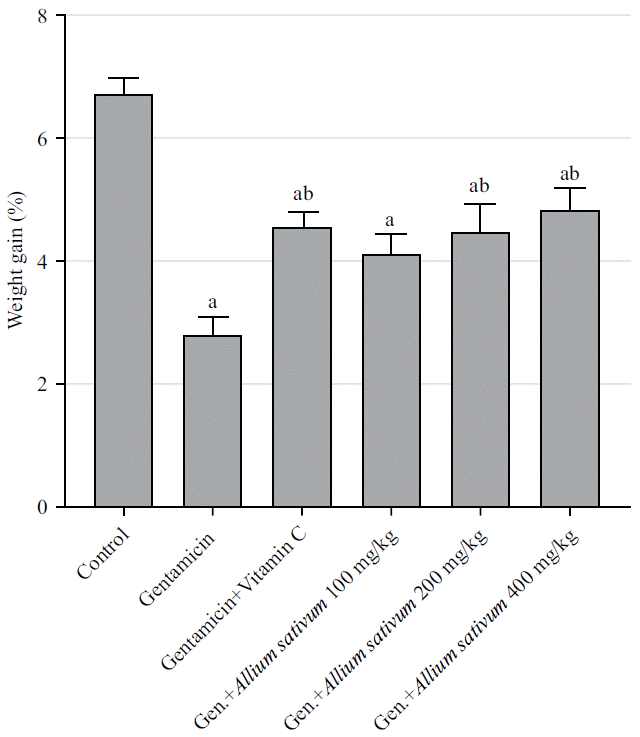 |
| Fig. 1: | Mean percentage body weight gain (%) of the control and treated animals Values (n = 5) are expressed as Mean±SED (n = 5), aIndicates a significant (p<0.05) difference when compared with the control and bindicates a significant (p<0.05) difference when compared with the gentamicin group |
Effects of aqueous extract of Allium sativum on some liver function indices in gentamicin-induced hepatotoxicity in Wistar rats: The results presented in Fig. 3(a-e) revealed a decreased level of total protein (TP) and albumin (ALB) in the group treated with gentamicin only and the decrease was significant (p<0.05) when compared with the control group. However, there was no significant decrease in globulin (GLB) when compared with the control. However, there was a significant increase in these liver function indices in the group treated with vitamin C and Allium sativum extract at (p<0.05) when compared with the group administered with gentamicin only. Also, total bilirubin (TBL) and direct bilirubin (DBL) increased significantly in the group administered gentamicin only when compared with the control group. The level of these liver function indices significantly decreased in the groups that were treated with vitamin C and Allium sativum at (p<0.05).
Effects of aqueous extract of Allium sativum on antioxidant enzymes activity and liver malondialdehyde in gentamicin-induced hepatotoxicity in Wistar rats: The results presented in Fig. 4(a-d) revealed a significant decrease in CAT, SOD, and GPx levels and elevated MDA level in the group treated with gentamicin only when compared to the control group. However, there was a significant increase of these enzymes and a reduction of MDA level in the group treated with vitamin C and A. sativum extract (P < 0.05).
DISCUSSION
Synthetic drugs are effective in treating various disease conditions, but they can also have adverse effects on the liver and other organs of the body. The liver is the primary organ responsible for central processing, distribution, metabolism and excretion. Drug toxicity particularly exposes the liver to damage due to its active participation in various metabolic pathways. Gentamicin is an aminoglycoside antibiotic derived from the Micromonospora purpurea bacterium. It is commonly used to treat gram-negative bacteria infections. Gentamicin, a broadly used antibiotic, has been linked to hepatotoxicity, a condition characterized by liver impairment resulting from toxic chemicals. The current study aimed to investigate potential protective natural products that can reduce the harmful effects of gentamicin on the liver. The results showed that treatment with garlic (Allium sativum) extracts significantly reduced the adverse effects of gentamicin on serum liver enzymes and oxidative stress markers. Elevation of liver enzymes is commonly an indication of hepatocellular injury32.
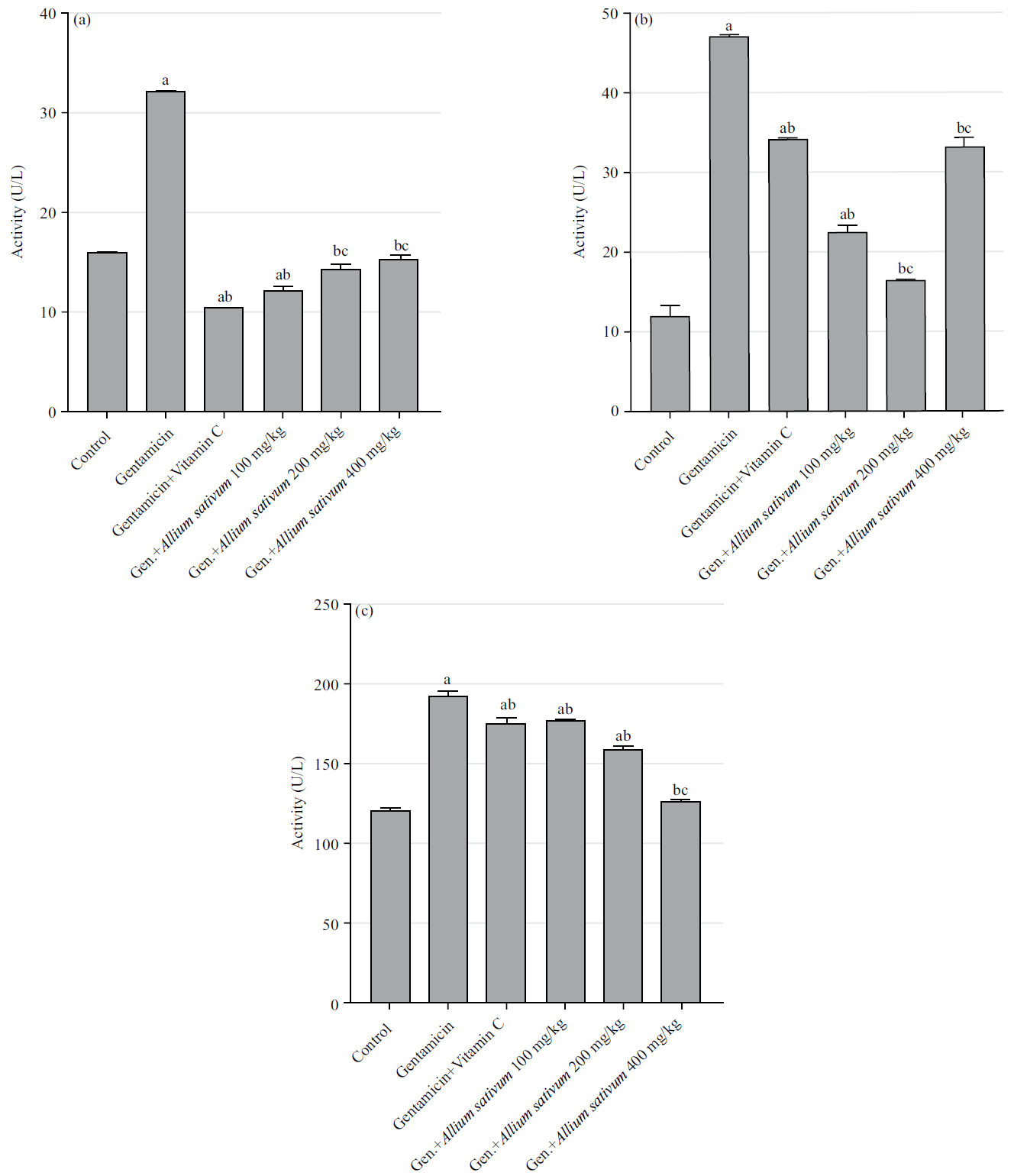 |
| Fig. 2(a-c): | Effect of Allium sativum on, (a) ALT, (b) AST and (c) ALP levels in gentamicin-induced hepatotoxicity in Wistar rats ALT activity in the control and treated groups, values (n = 5) were presented as Mean±SEM, ALT: Alanine aminotransferase, Gen.: Gentamicin, aIndicates a significant (p<0.05) difference when compared with the control and bIndicates a significant (p<0.05) difference when compared with the gentamicin group |
The results in Fig. 2 revealed that the injection of gentamicin (80 mg/kg) body weight resulted in a significant increase in serum ALT, AST and ALP values, which indicates liver damage. This result aligned with previous studies finding that the activities of ALP, AST and ALT in serum are significantly increased (p<0.05) in rats following injection of gentamicin33.
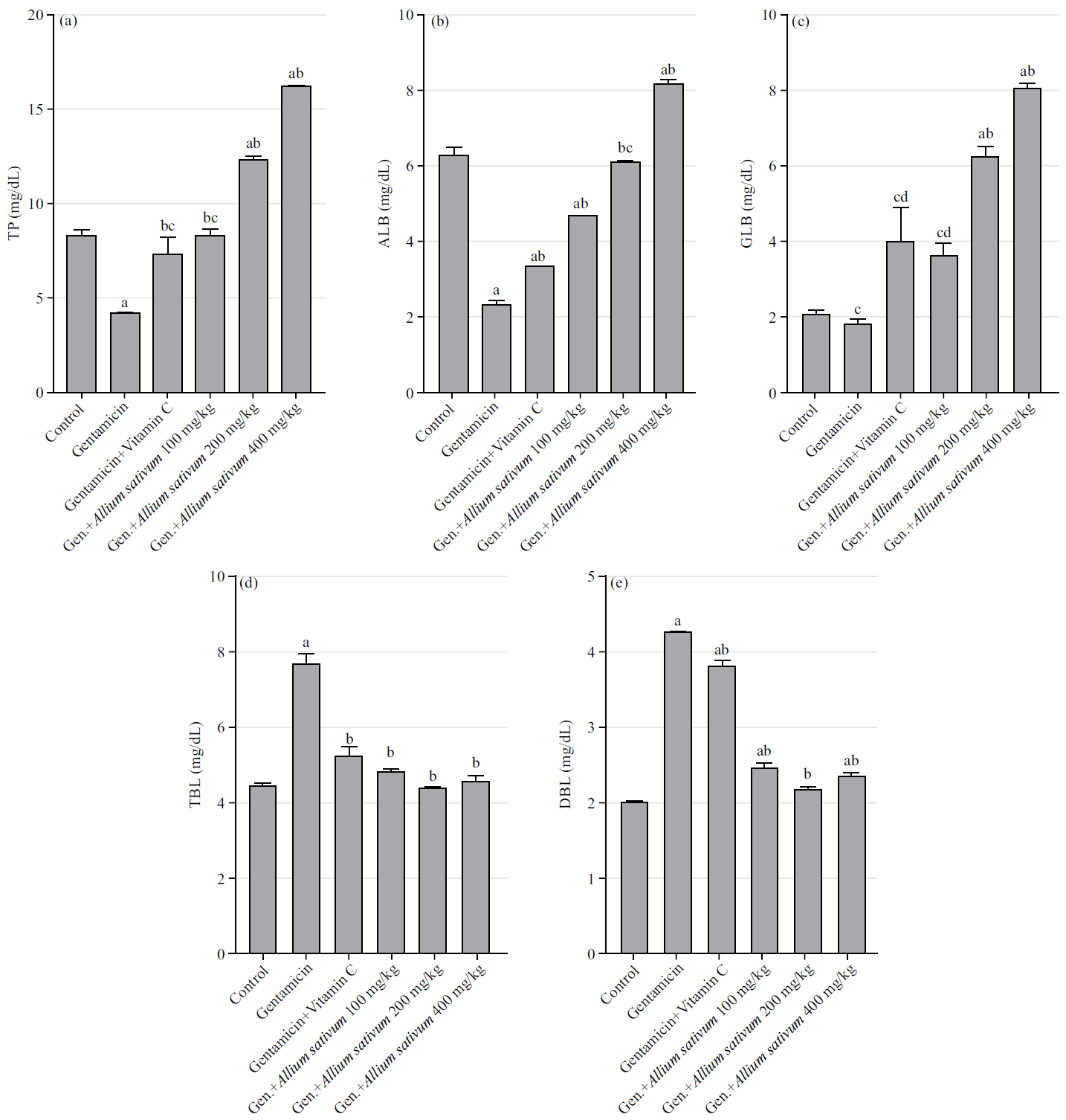 |
| Fig. 3(a-e): | Effect of Allium sativum on (a) Total protein (TP), (b) Albumin (ALB), (c) Globulin (GLB), (d) Total bilirubin (TBL) and (e) Direct bilirubin (DBL) in gentamicin-induced hepatotoxicity in rats aIndicates a significant difference at (p<0.05) when compared with the control, bIndicates a significant difference at (p<0.05) when compared with the gentamicin-treated group and values (n = 5) were presented as Mean±SEM |
Elevation in the serum of these enzymes may have resulted from their leakage from the intracellular store into the serum, occasioned by the peroxidation of membrane lipids. Significant increases of these enzymes in experimental rats exposed to gentamicin were also reported Khan et al.34. Treatment with garlic extracts significantly reduced the level of ALT, AST and ALP (p<0.05) compared with the group that received gentamicin only. Also, there was a significant reduction of these liver enzymes in the group that received vitamin C compared with gentamicin group without treatment (Fig. 2). This suggested that the aqueous garlic (Allium sativum) extract has the potential to prevent liver cell damage and subsequent intracellular enzyme leakage. Previous studies by Ushijima et al.35 indicate that garlic (Allium sativum) is reasonably rich in S-allylcysteine (SAC). Studies have demonstrated its antioxidant, anti-inflammatory, anti-apoptotic and hepatoprotective properties35.
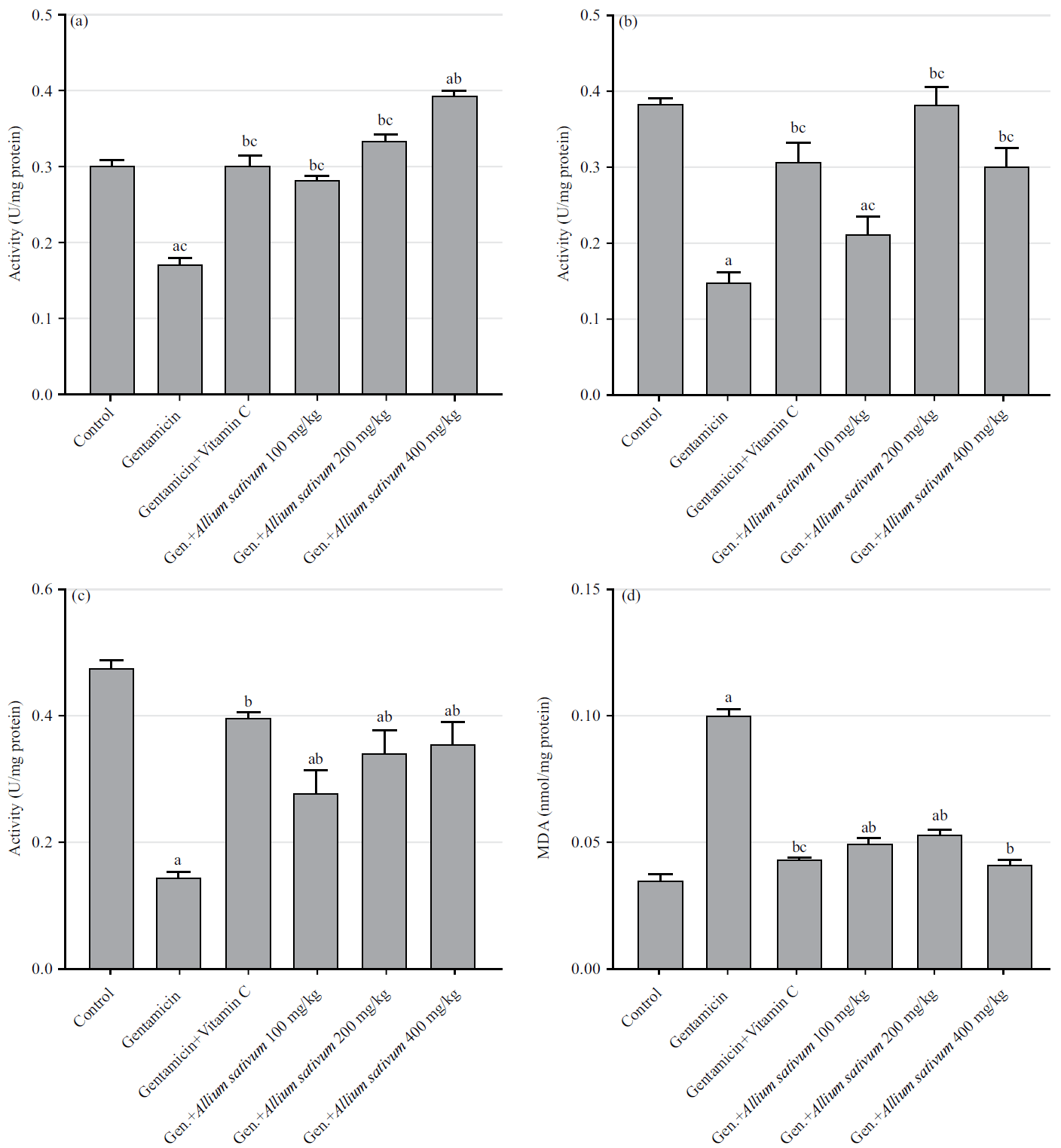 |
| Fig. 4(a-d): | Effect of Allium sativum on antioxidant enzymes such as, (a) Superoxide dismutase (SOD), (b) Catalase (CAT), (c) Glutathione peroxidase (GPx) and (d) Liver malondialdehyde (MDA) in gentamicin-induced hepatotoxicity in rats aIndicates a significant difference at (p<0.05) when compared with the control, bIndicates a significant difference at (p<0.05) when compared with the gentamicin-treated group and values (n = 5) were presented as Mean±SEM |
There was a significant difference in the concentration of total protein (TP), albumin (ALB), total bilirubin (TBL) and direct bilirubin (DBL) among the studied groups (Fig. 3). The decrease in total protein and albumin levels for the groups that were administered gentamicin without treatment were significant (p<0.05) compared with the control group. However, there was no significant decrease in globulin (GLB) level (p<0.05) compared with the control. Total bilirubin and direct bilirubin increased significantly in the group administered with gentamicin only compared to the control and treated groups (Fig. 3). The levels of these liver function indices significantly decreased in the groups that were treated with garlic extract and vitamin C (p<0.05). Increased bilirubin in serum or tissue is an indication of liver damage-induced obstruction of bile excretion. The group that was administered gentamicin exhibited a significant serum bilirubin elevation. However, the fact that bilirubin levels dropped significantly in the groups that were given garlic extract suggests that Allium sativum has a stronger protective effect against gentamicin-induced hepatotoxicity (Fig. 3).
Albumin is a crucial component of serum proteins synthesized in the liver. The destruction of hepatic protein-synthesis sub-cellular structures is responsible for the observed decrease in plasma albumin levels following gentamicin administration. The levels of these liver function indices were restored in the groups treated with garlic extract (p<0.05) compared to the group that received only gentamicin. Globulin level was also restored in the treated groups (p<0.05) compared with the untreated group that received gentamicin only. The observed reversal of these plasma values in the groups who received aqueous garlic extract suggests that garlic may have hepatoprotective properties, potentially restoring the normal functioning condition of the damaged liver. The result was in agreement with the results Kadasa et al.36. Oxidative stress is a significant factor in the development of liver damage caused by gentamicin. The gentamicin can lead to liver damage. In various tissues, gentamicin has been shown to inhibit antioxidant enzymes such as superoxide dismutase (SOD), catalase (CAT) and glutathione peroxidase (GPx)37.
Liver cell damage is caused by an elevated release of reactive oxygen species (ROS) and a compromised antioxidant defense system38. Figure 4 revealed a significant increase in MDA concentration, a byproduct of lipid peroxidation in groups that received gentamicin only compared to the control, garlic extract and vitamin C groups. This shows that increases in lipid peroxidation lead to enzyme inactivation through cross-linking with MDA, resulting in the formation of hydrogen peroxide (H2O2) and hydroxyl radicals, further boosting lipid peroxidation, as shown by Heeba39 and Basappa et al.40. A notable reduction in endogenous antioxidants and a rise in MDA are indicative of the oxidative effects of gentamicin on the liver and blood of rats. Cell integrity and functionality are compromised by the complicated process known as lipid peroxidation. Lipid peroxidation in the cell membrane causes the membrane’s integrity to break down, which results in cell lysis. But tissue damage from lipid peroxides or protein carbonyls are more likely to occur due to the lower activity of tissue antioxidant enzymes41. The groups treated with garlic extract and vitamin C showed a significant decrease in MDA level, the end product of lipid peroxidation, compared to the group administered only gentamicin. The result was in agreement with Yaman and Balikci42.
The human body naturally synthesizes a range of antioxidants, including CAT, SOD and GPx, to counteract harmful free radicals that can damage cells and assist in protecting them against oxidative stress. The body’s capacity to produce antioxidants is influenced by both genetic variables and environmental conditions, including nutrition and exposure to chemicals41. Figure 4 demonstrates a significant decrease in the activities of catalase (CAT), superoxide dismutase (SOD) and glutathione peroxidase (GPx) in the gentamicin-only group when compared to the control and treated groups. However, treatment with garlic extract significantly restored the antioxidant enzymes’ activities in the treated groups. There was also a considerable increase in antioxidant activities in the group that received vitamin C. Garlic (Allium sativum) and vitamin C effectively mitigated oxidative stress by reducing lipid peroxidation and increasing the activities of catalase (CAT), superoxide dismutase (SOD) and glutathione peroxidase (GPx), so enhancing the liver’s antioxidant capacity. The gentamicin and treated groups showed a percentage of body weight gain. However, the group administered gentamicin showed a significantly lower weight gain compared to the control and treated groups. The observed increase in body weight may be attributed to the improved appetite stimulated by Allium sativum, which contains a variety of enzymes, minerals, vitamins, protein, carbohydrates, fiber and amino acids43. The protective properties of garlic (Allium sativum) have been attributed to the high content of S-allylcysteine, phenolics and flavonoids. Studies have demonstrated a direct relationship between the antioxidant properties and the bioactive constituents of garlic. Phenolics and flavonoids, for instance, are commonly known for their free radical scavenging activity.
CONCLUSION
The results of this study showed that Allium sativum has hepatoprotective activity on gentamicin-induced liver injury in rats by inhibiting lipid peroxidation and increasing the activities of catalase (CAT), superoxide dismutase (SOD) and glutathione peroxidase (GPx), thus enhancing the liver’s antioxidant capacity. It also improved liver function by reducing ALT, AST and ALP levels. More research needed to be carried out to identify, characterize and synthesize the bioactive compounds of Allium sativum, which could lead to their potential therapeutic use in managing liver disease.
SIGNIFICANCE STATEMENT
Liver diseases are a major health problem around the world. The use of synthetic drugs is accompanied by disadvantages, including side effects and high cost of affordability. There is a need for a safer, effective and cheaper therapy from natural products. Studies have given insight into the bioactive compositions of Allium sativum including, S-allylcysteine, allicin and phenolic compounds. This research was necessary to explore the hepatoprotective potential of Allium sativum on gentamicin-induced liver injury. The purpose of this research is to discover natural products that are effective and safe for the treatment of liver injury. Future research is crucial in identifying and characterizing the bioactive compounds of plants, which could lead to their potential therapeutic use in managing liver injury.
REFERENCES
- Al-Kenanny, E.R., L.K. Al-Hayaly and A.G. Al-Badrany, 2012. Protective effect of arabic gum on liver injury experimentally induced by gentamycin in mice. Kufa J. Vet. Med. Sci., 3: 174-189.
CrossRefDirect Link - Wong, H.S., J.H. Chen, P.K. Leong, H.Y. Leung, W.M. Chan and K.M. Ko, 2014. β-Sitosterol protects against carbon tetrachloride hepatotoxicity but not gentamicin nephrotoxicity in rats via the induction of mitochondrial glutathione redox cycling. Molecules, 19: 17649-17662.
CrossRefDirect Link - Bulboacă, A.E., A. Porfire, S.D. Bolboacă, C.A. Nicula and D.G. Feștilă et al., 2021. Protective effects of liposomal curcumin on oxidative stress/antioxidant imbalance, metalloproteinases 2 and -9, histological changes and renal function in experimental nephrotoxicity induced by gentamicin. Antioxidants, Vol. 10.
CrossRefDirect Link - Ali, F.E.M., E.H.M. Hassanein, A.G. Bakr, E.A.M. El-Shoura, D.A. El-Gamal, A.R. Mahmoud and T.H. Abd-Elhamid, 2020. Ursodeoxycholic acid abrogates gentamicin-induced hepatotoxicity in rats: Role of NF-κB-p65/TNF-α, Bax/Bcl-xl/Caspase-3, and eNOS/iNOS pathways. Life Sci., Vol. 254.
CrossRefDirect Link - Khaksari, M., S. Esmaili, R. Abedloo and H. Khastar, 2021. Palmatine ameliorates nephrotoxicity and hepatotoxicity induced by gentamicin in rats. Arch. Physiol. Biochem., 127: 273-278.
CrossRefDirect Link - Arjinajarn, P., N. Chueakula, A. Pongchaidecha, K. Jaikumkao and V. Chatsudthipong et al., 2017. Anthocyanin-rich riceberry bran extract attenuates gentamicin-induced hepatotoxicity by reducing oxidative stress, inflammation and apoptosis in rats. Biomed. Pharmacother., 92: 412-420.
CrossRefDirect Link - Roehlen, N., E. Crouchet and T.F. Baumert, 2020. Liver fibrosis: Mechanistic concepts and therapeutic perspectives. Cells, Vol. 9.
CrossRefDirect Link - Zhang, J., Q. Liu, J. He and Y. Li, 2021. Novel therapeutic targets in liver fibrosis. Front. Mol. Biosci., Vol. 8.
CrossRefDirect Link - Mahendra, P. and S. Bisht, 2012. Ferula asafoetida: Traditional uses and pharmacological activity. Pharmacogn. Rev., 6: 141-146.
CrossRefPubMedDirect Link - Huang, B., X. Ban, J. He, J. Tong, J. Tian and Y. Wang, 2010. Hepatoprotective and antioxidant activity of ethanolic extracts of edible lotus (Nelumbo nucifera Gaertn.) leaves. Food Chem., 120: 873-878.
CrossRefDirect Link - Yousef, M.I., S.A.M. Omar, M.I. El-Guendi and L.A. Abdelmegid, 2010. Potential protective effects of quercetin and curcumin on paracetamol-induced histological changes, oxidative stress, impaired liver and kidney functions and haematotoxicity in rat. Food Chem. Toxicol., 48: 3246-3261.
CrossRefPubMedDirect Link - Kumar, S., A.K. Prasad, S.V. Iyer and S.K. Vaidya, 2013. Systematic pharmacognostical, phytochemical and pharmacological review on an ethno medicinal plant, Basella alba L. J. Pharmacogn. Phytother., 5: 53-58.
CrossRefDirect Link - Anwar, S. and H. Younus, 2017. Inhibitory effect of alliin from Allium sativum on the glycation of superoxide dismutase. Int. J. Biol. Macromol., 103: 182-193.
CrossRefDirect Link - Rasul Suleria, H.A., M.S. Butt, N. Khalid, S. Sultan, A. Raza, M. Aleem and M. Abbas, 2015. Garlic (Allium sativum): Diet based therapy of 21st century-A review. Asian Pac. J. Trop. Dis., 5: 271-278.
CrossRefDirect Link - Khatua, T.N., R. Adela and S.K. Banerjee, 2013. Garlic and cardioprotection: Insights into the molecular mechanisms. Can. J. Physiol. Pharmacol., 91: 448-458.
CrossRefDirect Link - Schäfer, G. and C.H. Kaschula, 2014. The immunomodulation and anti-inflammatory effects of garlic organosulfur compounds in cancer chemoprevention. Anti-Cancer Agents Med. Chem., 14: 233-240.
CrossRefDirect Link - Bayan, L., P.H. Koulivand and A. Gorji, 2014. Garlic: A review of potential therapeutic effects. Avicenna J. Phytomed., 4: 1-14.
CrossRefPubMedDirect Link - Vazquez-Prieto, M.A., C.R. Lanzi, C. Lembo, C.R. Galmarini and R.M. Miatello, 2011. Garlic and onion attenuates vascular inflammation and oxidative stress in fructose-fed rats. J. Nutr. Metab., Vol. 2011.
CrossRefDirect Link - Batiha, G.E.S., A.M. Beshbishy, L.G. Wasef, Y.H.A. Elewa and A.A. Al-Sagan et al., 2020. Chemical constituents and pharmacological activities of garlic (Allium sativum L.): A review. Nutrients, Vol. 12.
CrossRefDirect Link - Fesseha, H. and E. Goa, 2019. Therapeutic value of garlic (Allium sativum): A review. Adv. Food Technol. Nutr. Sci., 5: 107-117.
Direct Link - Rizwani, G.H. and H. Shareef, 2011. Genus Allium: The potential nutritive and therapeutic source. J. Pharm. Nutr. Sci., 1: 158-165.
CrossRefDirect Link - Ingle, K.P., A.G. Deshmukh, D.A. Padole, M.S. Dudhare, M.P. Moharil and V.C. Khelurkar, 2017. Phytochemicals: Extraction methods, identification and detection of bioactive compounds from plant extracts. J. Pharmacogn. Phytochem., 6: 32-36.
Direct Link - Reitman, S. and S. Frankel, 1957. A colorimetric method for the determination of serum glutamic oxalacetic and glutamic pyruvic transaminases. Am. J. Clin. Pathol., 28: 56-63.
CrossRefPubMedDirect Link - Osigwe, C.C., P.A. Akah and C.S. Nworu, 2017. Biochemical and haematological effects of the leaf extract of Newbouldia laevis in alloxan-induced diabetic rats. J. Biosci. Med., 5: 18-36.
CrossRefDirect Link - Doumas, B.T., W.A. Watson and H.G. Biggs, 1971. Albumin standards and the measurement of serum albumin with bromcresol green. Clin. Chim. Acta, 31: 87-96.
CrossRefPubMedDirect Link - Abubakar, M., A. Lawal and M. Usman, 2010. Hepatotoxicity studies of sub-chronic administration of aqueous stem bark of Khaya senegalensis in Albino rats. Bayero J. Pure Appl. Sci., 3: 26-28.
CrossRefDirect Link - Mohamed, N.A., H.M. Abdou and A.G. Mohamed, 2019. Flaxseed oil ameliorates methotrexate-induced oxidative stress and hepto-renal toxicity in male rats. Int. J. Pharm. Sci. Res., 10: 1101-1114.
CrossRefDirect Link - Ohkawa, H., N. Ohishi and K. Yagi, 1979. Assay for lipid peroxides in animal tissues by thiobarbituric acid reaction. Anal. Biochem., 95: 351-358.
CrossRefPubMedDirect Link - Beers, Jr. R.F. and I.W. Sizer, 1952. A spectrophotometric method for measuring the breakdown of hydrogen peroxide by catalase. J. Biol. Chem., 195: 133-140.
CrossRefPubMedDirect Link - Kakkar, P., B. Das and P.N. Viswanathan, 1984. A modified spectrophotometric assay of superoxide dismutase. Indian J. Biochem. Biophys., 21: 130-132.
PubMedDirect Link - Rotruck, J.T., A.L. Pope, H.E. Ganther, A.B. Swanson, D.G. Hafeman and W.G. Hoekstra, 1973. Selenium: Biochemical role as a component of glutathione peroxidase. Science, 179: 588-590.
CrossRefPubMedDirect Link - Jafaripour, L., R. Naserzadeh, H. Ahmadvand, F.H. Moradi, K. Ghobadi, E. Alizamani and N. Nouryazdan, 2019. Effects of L-glutamine on oxidative stress in gentamicin induced hepatotoxicity rats. J. Kerman Univ. Med. Sci., 26: 36-42.
CrossRefDirect Link - Khan, M.R.I., M.A. Islam, M.S. Hossain, M. Asadujjaman and M.I.I. Wahed et al., 2009. Antidiabetic effects of the different fractions of ethanolic extracts of Ocimum sanctum in normal and alloxan induced diabetic rats. J. Sci. Res., 2: 158-168.
CrossRefDirect Link - Khan, M.R., I. Badar and A. Siddiquah, 2011. Prevention of hepatorenal toxicity with Sonchus asper in gentamicin treated rats. BMC Complementary Altern. Med., Vol. 11.
CrossRefDirect Link - Ushijima, M., M. Takashima, K. Kunimura, Y. Kodera, N. Morihara and K. Tamura, 2018. Effects of S-1-propenylcysteine, a sulfur compound in aged garlic extract, on blood pressure and peripheral circulation in spontaneously hypertensive rats. J. Pharm. Pharmacol., 70: 559-565.
CrossRefDirect Link - Kadasa, N.M., H. Abdallah, M. Afifi and S. Gowayed, 2015. Hepatoprotective effects of curcumin against diethyl nitrosamine induced hepatotoxicity in albino rats. Asian Pac. J. Cancer Prev., 16: 103-108.
CrossRefDirect Link - Abdel-Raheem, I.T., G.A. El-Sherbiny and A. Taye, 2010. Green tea ameliorates renal oxidative damage induced by gentamicin in rats. Pak. J. Pharm. Sci., 23: 21-28.
PubMedDirect Link - Li, S., H.Y. Tan, N. Wang, Z.J. Zhang, L. Lao, C.W. Wong and Y. Feng, 2015. The role of oxidative stress and antioxidants in liver diseases. Int. J. Mol. Sci., 16: 26087-26124.
CrossRefDirect Link - Heeba, G.H., 2011. Angiotensin II receptor blocker, losartan, ameliorates gentamicin-induced oxidative stress and nephrotoxicity in rats. Pharmacology, 87: 232-240.
CrossRefDirect Link - Basappa, J., S. Turcan and D.E. Vetter, 2010. Corticotropin-releasing factor-2 activation prevents gentamicin-induced oxidative stress in cells derived from the inner ear. J. Neurosci. Res., 88: 2976-2990.
CrossRefDirect Link - Asuelimen, S.O., E.M. Ale, M.J. Timothy, E.K. Toluwalase and M.A. Adewole, 2024. Ameliorative potential of ethanol leaves extract of Parkia biglobosa on acetaminophen-induced oxidative stress in albino rats. Asian J. Biol. Sci., 17: 514-522.
CrossRefDirect Link - Yaman, İ. and E. Balikci, 2010. Protective effects of Nigella sativa against gentamicin-induced nephrotoxicity in rats. Exp. Toxicol. Pathol., 62: 183-190.
CrossRefDirect Link - Gebreyohannes, G. and M. Gebreyohannes, 2013. Medicinal values of garlic: A review. Int. J. Med. Med. Sci., 5: 401-408.
CrossRefDirect Link