

Amany A. Abd El-Monem
Department of Botany, Agricultural and Biological Research Division, National Research Centre, 33 El-Bohouth Street, P.O. Box 12622, Dokki, Giza, Egypt
LiveDNA: 20.31244
Maha M.S. Abdallah
Department of Botany, Agricultural and Biological Research Division, National Research Centre, 33 El-Bohouth Street, P.O. Box 12622, Dokki, Giza, Egypt
LiveDNA: 20.23617
Bakry A. Bakry
Department of Field Crops Research, Agricultural and Biological Research Division, National Research Centre, 33 El-Buhouth Street, P.O.Box 12622, Dokki, Giza, Egypt
LiveDNA: 20.20713
ORCID: 0000-0002-7695-3401
Hala M.S. El-Bassiouny
Department of Botany, Agricultural and Biological Research Division, National Research Centre, 33 El-Bohouth Street, P.O. Box 12622, Dokki, Giza, Egypt
LiveDNA: 20.31082
ORCID: 0000-0002-0300-175X
Mervat S. Sadak
Department of Botany, Agricultural and Biological Research Division, National Research Centre, 33 El-Bohouth Street, P.O. Box 12622, Dokki, Giza, Egypt
LiveDNA: 251.26733
ORCID: 0000-0001-9658-7886
Asian Journal of Plant Sciences
Year: 2020 | Volume: 19 | Issue: 2 | Page No.: 77-90





ABSTRACT
Background and Objective: Roselle (Hibiscus sabdariffa L.) plants are grown in Africa, South east Asia, Central America, it is known as Karkadeh (Egypt). Many active constituents present in Roselle have potential health benefits and support its medicinal uses. The target of this investigation was to evaluate the physiological function of ferric ethylenediaminetetraacetic acid-iron chelators (Fe-EDTA) or hemin and/or arginine for improving yield and nutritional value of sepals of roselle plant grown under the reclaimed sandy soil. Materials and Methods: A field experiment was conducted in 2016 and 2017 summer successive seasons at the experimental farm, National Research Centre, Al Nubaria District El-Beheira Governorate, Egypt. The foliar application separately or in combination with arginine (at 50 g L–1), Fe-EDTA (50 and mg L–1) and/or hemin at (50 and 100 mg L–1 of treatments were practiced twice at 45 and 60 days after planting. Results: Foliar treatment of Fe-EDTA, hemin and arginine alone or mixture of them with different concentrations, significantly increased all yield parameters, non-photosynthetic pigments as anthocyanin, lycopene and β-carotene, flavonoids, radical scavenging activity as 1,1-diphenyl-2-picrylhydrazyl (DPPH), as well as all sugar fractions, total soluble sugars, total carbohydrates, macro and microelements of roselle plants as compared with control (untreated) plants. It also showed that most treatments decreased significantly in total acidity and sodium (Na) contents of roselle sepals, when compared with untreated plant. Conclusion: Foliar application with arginine, Fe-EDTA and/or hemin separately or in a combination of roselle plants could be increase all active constituents as compared with untreated plants grown under new reclaimed sandy soil.
PDF Abstract XML References Citation
Copyright: © 2020. This is an open access article distributed under the terms of the Creative Commons Attribution License , which permits unrestricted use, distribution and reproduction in any medium, provided the original author and source are credited.
How to cite this article
Amany A. Abd El-Monem, Maha M.S. Abdallah, Bakry A. Bakry, Hala M.S. El-Bassiouny and Mervat S. Sadak, 2020. Physiological Role of Iron Chelators and/or Arginine for Improving Yield and Active Constituents of Roselle Sepals. Asian Journal of Plant Sciences, 19: 77-90.
DOI: 10.3923/ajps.2020.77.90
URL: https://scialert.net/abstract/?doi=ajps.2020.77.90
DOI: 10.3923/ajps.2020.77.90
URL: https://scialert.net/abstract/?doi=ajps.2020.77.90
INTRODUCTION
Hibiscus sabdariffa L. (Roselle) be a member of family of Malvaceae. It has different names in different countries. In Egypt it Known with the name of "Karkadeh"1. Roselle is originated from West Africa and widely cultivated in Tropical Africa, Sudan, Egypt, Ethiopia2. The plants can success on a wide range of soil conditions. It can permit relatively high temperature via the growing and fruiting periods3. In this connection, Aziz et al.4 concluded that, roselle is suitable for cultivation in Egypt across the country, where, the southern areas are the most fitting for its planting, and added the newly reform sandy soils are fit for plant growth, which are able to grow healthy under several climatic circumstances.
The purplish sepals (calyx and epicalyx) of Hibiscus sabdariffa L. are the most important commercial parts of the plant which is used in human nutrition and beauty product industries as a raw material of natural coloring catalyst5. The brilliant red color associated with surprising flavor and other organoleptic attributes make them precious food products6 such as wine, syrup, jam, ice cream, pies, jelly, hot and cold beverages, snakes, tarts and flavoring agent's preparation7.
The importance of roselle calyces comes because it contains high active constituents' values, as anthocyanins, polysaccharides and its fractions, flavonoids and organic acids8,9. As well as increase nutritional value. So, Roselle considered an important medicinal plant for developing countries due to its easy growth and has multipurpose uses as food, fiber source and all vegetative parts of roselle is used as traditional medicine for the treatment of several diseases10. So, many medicinal implementations of different roselle parts have been reported in several countries of the world11. Several reports listed proved the traditional health benefits of roselle extract and encourage the ethnomedicinal use of it in preventing hypertension, elevate cardio-vascular health, febricity and liver disturbance, microorganism growth boundary, as well as a diuretic, digestive and calmative12. The red diversity of roselle has antioxidant activity and cyclooxygenase inhibitory and inters in pharmaceutical and beauty product industries13.
Long-time ago, and according to 2030 vision of Egypt, improving plant productivity (quantitative and/or qualitative) is the main purpose in good agriculture practices (GAP). The opinion of GAP has progressed to address the concerns of different researchers, stakeholders, share owners and farmers about food manufacture and security, food integrity, value and the environmental sustainability of agriculture14. So, using different agricultural practices, cultural practices, natural fertilization and treatment with natural antioxidants as amino acids, vitamins, natural growth regulators and micronutrients considered the most effective applications for that purpose. Availability of nutrients is a limiting factor affecting plant growth and productivity, nitrogen is one from essential elements for crop productivity. Amino acids could affect directly or indirectly on the different physiological processes in plant cells. It can be involved in enzymes associated with photosynthesis, chelating effect on micronutrient absorption and transportation in plant15. Nitrogen is a determinant factor for plant proliferation in several habitats. Nitrogen in large amounts is required to synthesize nucleic acids and proteins. Arginine has the highest N/C ratio, which makes it fit for organic nitrogen store16.
Arginine metabolism acts a vital role in plant recognition and acclimation to unfavorable environmental conditions17. Also, arginine responsible for formation for polyamines (putrescine, spermidine and spermine) as a by-product which is essential for growth, differentiation of plants at normal or stressed conditions16. They also added that polyamines are concerned with multiple physiological reactions, it could be expedient for plants to slow down arginine catabolism. Recently Wuddineh et al.18 reported that, the potential benefits of PAs application in improving plant patience to biotic and abiotic environmental stresses as crucial tools for planned plant boost strategies.
Application of EDTA with different concentrations is recommended on plants at functioning stages (flowering and fruiting)19. Foliar treatment of minerals nutrient is an effective mean for supplying nutrients for the plant. Iron (Fe) is a stimulator for more than 140 enzymes that catalyze distinctive biochemical reactions20. Iron is one from vital plant micronutrients that is considered a key for most metabolic reactions in plant cells, especially for chlorophyll biosynthesis consequently, plant growth and productivity; therefore, its deficiency strongly affect plant growth and development21
Fe-EDTA as an example of iron chelate compounds which easily available and assimilates for plants. In this connection, Mishra et al.22 reported that foliar treatment with Fe2+ as Fe (SO4) H2O increased seed and fruit yields of chickpea and kinnow plants, respectively. Most of the Fe-EDTA studies have concerned with their effects on fruit weight and size, firmness, dry matter, sugar concentration, acidity, phenolic compounds and vitamin C23.
Fruit colors depend on anthocyanins which are involved in several biological roles in plants such as protective effects, antioxidant agents and pathogen invader24. So, perceive Fe effect on the anthocyanin metabolism is important for optimizing anthocyanin value in fruits. Plant physiologists and agricultural scientists are focusing on iron and discovering more exciting applications in the development of bio-factories25.
Several researchers focused on hemin as a source of iron and have hormone-like effects on tomato26 or act as plant growth regulators in facing salinity stress27.
So, the target of this investigation was to evaluate the physiological function Fe-EDTA or hemin and/or arginine for improving yield and nutritional value of sepals of roselle plant grown under the reclaimed sandy soil.
MATERIALS AND METHODS
Plant material and growth conditions: A field experiment by the randomized complete block design in split-plot arrangement with 3 replications was conducted in 2016 and 2017 summer seasons at the experimental farm, National Research Centre, Al Nubaria district El-Beheira Governorate, Egypt. The soil of both experimental sites was reclaimed sandy soil where mechanical and chemical analysis according to Chapman and Pratt28 is reported in Table 1.
Seeds of Roselle Hibiscus sabdariffa L. (dark colored) cultivar were obtained from Agricultural Research Centre Giza, Egypt. Roselle seeds were assigned to the main plots while the foliar application concentrations of treatments were practices twice at 45 and 60 days after planting and recorded as such:
| • | Control - Hemin 50 mg L–1-Hemin 100 mg L–1 |
| • | Fe-EDTA 50 mg L–1-Fe-EDTA 100 mg L–1-Arginine 50 mg L–1 |
| • | Arginine 50 mg L–1+Hemin 50 mg L–1-Arginine 50 mg L–1 +Hemin 100 mg L–1 |
| • | Arginine 50 mg L–1+Fe-EDTA 50 mg L–1-Arginine 50 mg L–1+Fe-EDTA 100mg L–1 |
Roselle (Hibiscus sabdariffa L.) seeds were sown on the 7th May in both seasons. The treatments were arranged in the subplots. Each sub-plot area was in rows 3.5 m long and the distance between rows was 20 cm apart. The plot area was 10.5 m2 (3.0 m in width and 3.5 m in length). The recommended agricultural practices of growing roselle seeds were applied and the seeding rate was (140 kg seeds ha–1). Pre-sowing, 360 kg ha–1 of calcium super-phosphate (15.5% P2 O5) was applied to the soil. Nitrogen was applied after emergence in the form of ammonium nitrate 33.5% at rate of 180 kg ha–1 was applied at 5 equal doses before the 1st, 2nd, 3rd, 4th and 5th irrigation. Potassium sulfate (48.52% K2O) was added at 2 equal doses of 120 kg ha–1, before the 1st and 3rd irrigations. Irrigation was carried out using the new sprinkler irrigation system where water was added every 5 days.
At harvest, the following characters were recorded on random samples of 10 girded plants in each plot to estimate the following characters: The number of pods/plants, sepals' yield/plant (g), Fruit yield /plant (g) biological fruit and sepals yield (kg ha–1).
Chemical analysis
The titratable acidity: The titratable acidity of sepals was determined according to AOAC29.
Phenylalanine ammonia-lyase and tyrosine ammonia-lyase: The extraction and assay of phenylalanine ammonia-lyase (PAL, EC, 4.3.1.1) and tyrosine ammonia-lyase (TAL, EC, 4.3.1), enzyme activities were carried out according to the method adopted by Beaudoin-Egan and Thorpe30.
Anthocyanin: Anthocyanin was extracted and measured according to Mirecki and Teramura31.
| Table 1: Mechanical, chemical and nutritional analysis of the experimental soil | |
| Parameter | Values |
| Mechanical analysis | |
| Sand | |
| Coarse 2000-200 μ (%) | 47.46 |
| Fine 200-20 μ (%) | 37.89 |
| Silt 20-0 μ (%) | 12.66 |
| Clay<2 μ (%) | 4.48 |
| Soil texture | Sandy |
| Chemical analysis | |
| pH 1:2.5 | 7.6 |
| EC dS m–1 | 0.15 |
| CaCo3 | 5.4 |
| OM% | 0.23 |
| Soluble cations meq L–1 | |
| Na+ | 0.97 |
| K+ | 0.23 |
| Mg+ | 0.92 |
| Ca++ | 0.9 |
| Soluble anions meq L–1 | |
| CO3– | 0 |
| HCO3– | 1.05 |
| Cl– | 0.68 |
| SO4– | 0.69 |
| Nutritional analysis | |
| Available nutrients | |
| Macro element ppm | |
| N | 52 |
| P | 12.4 |
| K | 72 |
| Micro element ppm | |
| Zn | 0.12 |
| Fe | 2.11 |
| Mn | 0.8 |
| Cu | 0.08 |
β- carotene and lycopene: The β-carotene and lycopene were determined according to the method of Nagata and Yamashita32.
Flavonoids: The total flavonoid content was determined following the spectrophotometric method of Dewanto et al.33.
DPPH radical scavenging capacity assay: The free radical scavenging activity was determined as 1,1-diphenyl-2-picrylhydrazyl (DPPH) according to Liyana-Pathiranan and Shahidi34.
The extracted soluble sugars (Sugar fractions): It was analyzed using HPLC according to the method of Oefner et al.35, standard of galacturonic acid (Gal.), glucose (Glu.), rhamnose (Rham.), mannitol (Mannit.), Arabinan (Arab.) and Xylose (Xyl.) were used.
Total carbohydrates: It determined using the colorimetric method described by Herbert et al.36.
Macro and microelement contents: Macro and microelement contents of the yielded sepals were determined according to Chapmen and Pratt28, using a Spekol spectropolarimeter (VEB Carl Zeiss, Jena, Germany), flame photometer and atomic absorption spectrophotometer.
Statistical analysis: All data collected were analyzed with analysis of variance (ANOVA) Procedures using the Co-Stat Statistical Software Package. Differences between means were compared by LSD at 5% level of significance by Gomez and Gomez37.
RESULTS
Changes in yielded fruits and sepals: Foliar treatment of Fe-EDTA, hemin and arginine alone or mixture of arginine+Fe-EDTA or arginine+hemin with different concentrations, increased number of pods/plant, sepals yield/plant (g), fruits yield/plant (g), biological fruit yield and sepals yield (kg ha–1) of roselle plants significantly as compared with control (untreated plants) (Table 2). Increasing concentration of hemin or Fe-EDTA increased gradually with significant differences (at high concentration) all studied yield components of roselle sepals as compared with untreated plants. Also, foliar treatments with mixture of Arg+Fe-EDTTA or Arg+hemin with different concentrations were more potent than Arg, Fe-EDTA or hemin alone. Data clearly show that Arg+100 mg L–1 hemin was more effective than Arg+50 mg L–1 hemin as well as, Arg+100 mg Fe-EFTA were more effective than Arg+50 Fe-EDTA. The maximum yield was obtained with the Fe-EDTA 100+Arginine 50 treatment.
Changes in total acidity of roselle sepals: Figure 1 presents the effect of different concentrations of hemin, Fe-EDTA and/or arginine treatments on total acidity and total anthocyanin of roselle sepals. Results showed that either hemin or Fe-EDTA treatment with different concentrations decreased significantly total acidity of roselle sepals, meanwhile, arginine treatment with 50 mg L–1 treatment increased significantly total acidity as compared with untreated control. The results also showed that the interaction between arginine with different concentrations of hemin or Fe-EDTA decreased total acidity significantly except 50 mg Fe-EDTA+50 mg L–1 arginine which records non-significant increases as compared with control plant. In the meantime, the results showed gradual significant increases in the total acidity in response to adding arginine to different concentrations of either hemin or Fe-EDTA as compared with corresponding treatments with hemin but these increments still significantly less than application of arginine alone.
Changes in the phenylalanine ammonia-lyase (pal) and tyrosine ammonia-lyase (tal): Results in Table 3 cleared the activities of PAL and TAL enzymes in roselle leaves increased significantly in response to all treated plants with either hemin, Fe-EDTA and/or arginine increased as compared with control plant.
| Table 2: Effect of hemin, Fe-EDTA and/or arginine on yield components of roselle plant grown under reclaimed sandy soil | |||||
| Treatment | No. of pods/plant | Sepals yield/plant (g) | Fruit yield/plant (g) | Biological fruit yield (kg ha–1) | Biological sepals yield (kg ha–1) |
| Control | 8.33±0.882 | 1.30±0.013 | 11.49±1.079 | 387.58±27.695 | 47.26±1.117 |
| Hemin50 | 11.00±0.577 | 2.26±0.009 | 17.76±1.255 | 448.42±32.218 | 57.07±4.766 |
| Hemin 100 | 13.00±0.577 | 4.86±0.023 | 25.80±0.609 | 601.82±15.630 | 113.38±3.341 |
| Fe-EDTA 50 | 13.67±1.856 | 4.46±0.032 | 24.27±3.161 | 576.98±81.130 | 106.03±21.168 |
| Fe-EDTA 100 | 15.00±2.309 | 4.83±0.002 | 25.75±3.593 | 702.46±92.221 | 131.76±18.536 |
| Arginine 50 | 11.33±0.882 | 4.50±0.033 | 21.89±0.790 | 532.63±20.268 | 109.49±22.374 |
| Hemin 50+Arginine 50 | 15.00±3.000 | 5.29±0.018 | 22.82±4.724 | 664.84±21.254 | 141.17±35.436 |
| Hemin 100+Arginine 50 | 20.00±1.000 | 7.02±0.049 | 36.49±1.943 | 803.11±49.875 | 154.51±21.955 |
| Fe-EDTA 50+Arginine 50 | 15.33±0.577 | 6.03±0.042 | 28.40±1.037 | 564.10±26.627 | 130.78±17.411 |
| Fe-EDTA 100+Arginine 50 | 22.00±0.667 | 9.42±0.033 | 38.13±1.969 | 838.13±50.549 | 207.24±4.234 |
| LSD at 0.05 | 4.26 | 0.85 | 2.06 | 2.06 | 2.67 |
| Each value represents the mean of 3 replicates±standard error | |||||
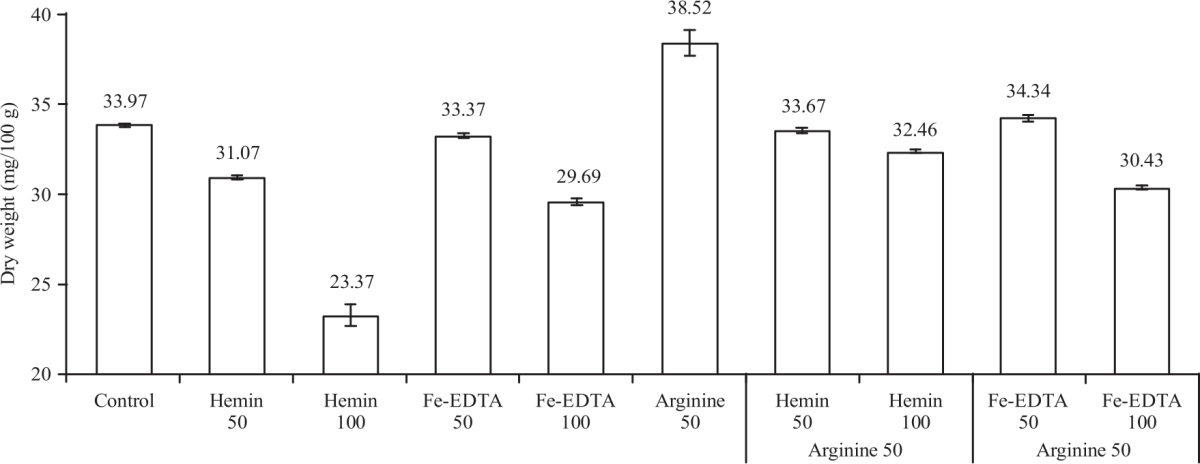 |
| Fig. 1: | Effect of hemin, Fe-EDTA and/or arginine on total acidity (mg/100g air-dry weight) on sepals of roselle plant grown under reclaimed sandy soil Each value represents the mean of 3 replicates±standard error (LSD at 5% = 0.51) |
| Table 3: Effect of hemin, Fe-EDTA and/or arginine on PAL and TAL enzyme activities on leaves of roselle plant grown under the reclaimed sandy soil | ||
| Treatments (mg L–1) | PAL activity (μg t-cinnamic acid g–1 f. wt. min–1) | TAL activity (μg p-coumaric acid g–1 f. wt. min–1) |
| Control | 1.440±0.0462 | 4.605±0.141 |
| Hemin 50 | 2.145±0.0029 | 5.905±0.026 |
| Hemin 100 | 2.575±0.0433 | 6.385±0.020 |
| Fe-EDTA 50 | 2.081±0.0173 | 5.380±0.017 |
| Fe-EDTA 100 | 2.365±0.0260 | 6.085±0.038 |
| Arginine 50 | 2.465±0.0260 | 6.344±0.046 |
| Hemin 50+Arginine 50 | 2.765±0.0491 | 5.295±0.032 |
| Hemin 100+Arginine 50 | 2.901±0.0346 | 6.232±0.012 |
| Fe-EDTA 50+Arginine 50 | 2.730±0.0115 | 6.485±0.017 |
| Fe-EDTA 100+Arginine 50 | 2.712±0.0289 | 6.735±0.009 |
| LSD at 0.05 | 0.27 | 0.39 |
| PAL: phenylalanine ammonia-lyase, TAL: Tyrosine ammonia-lyase, each value represents the mean of three replicates±standard error | ||
The highest activities are recorded at treatment with hemin (100 mg L–1) + arginine (50 mg L–1) and Fe- EDTA (100 mg L–1)+arginine (50 mg L–1) at PAL and TAL with percent of increase reached to 101.45 and 46.25%, respectively compared to untreated plants.
Changes in anthocyanins, lycopene, b-carotene and total flavonoid of roselle sepals: With respect to all tested flavonoid pigments (anthocyanins, Lycopene, B- Carotene and total flavonoids) contents, different treatment of hemin, Fe-EDTA and/or arginine increased them significantly at roselle sepals as compared with the untreated plant (Table 4). Data clearly showed that Fe-EDTA (50 mg L–1) followed by Hemin (100 mg L–1) alone or in combination with arginine were more effective than other concentrations which caused significant increases in anthocyanin. Moreover, data showed that the combined effects of hemin (100 mg L–1) or Fe-EDTA with arginine were more effective than each of them alone at most studied parameters.
Changes in antioxidant activity in yielded roselle sepals: Data in Fig. 2, showed that foliar application of the different concentrations of hemin, Fe-EDTA and/or arginine treatments induced significant increases in the antioxidant activity (as DPPH- radical concentrations (50 or 100 mg L–1) alone or in combination with arginine recorded the higher values as compared with all other treatments. The highest value was obtained at 100 mg L–1 Fe EDTA alone.
Changes in sugar fractions, TSS and total carbohydrates in roselle sepals: Data in Table 5 recorded the values of sugar fractions in roselle sepals affected by different concentrations of hemin, Fe-EDTA alone or in combination with arginine grown under the reclaimed sandy soil. Results showed that, except Mannitol (Man), all other tested sugars (Gal, Glu, Rha, Man, Arab, TSS and T Carb) increased as the results of all treatments as compared with untreated plants. The combination of arginine and different concentrations of hemin or Fe-EDTA surpassed other single treatments in all mentioned tested sugars.
|
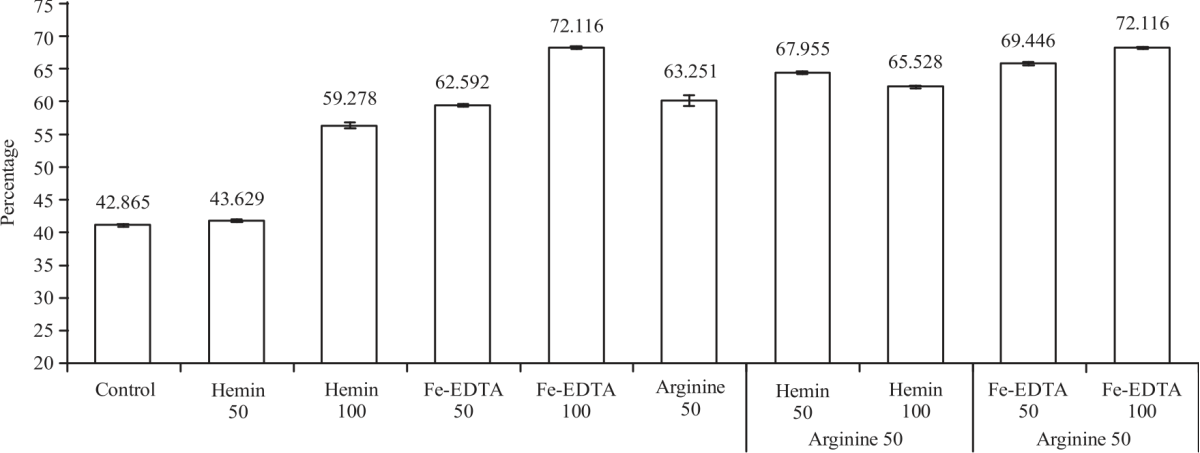
| Fig. 2: | Effect of Hemin, Fe-EDTA and/or arginine on radical scavenging capacity as 1,1-diphenyl-2-picrylhydrazyl (DPPH%) on sepals of Roselle plant grown under reclaimed sandy soil Each value represents the mean of 3 replicates±standard error (LSD at 5% = 3.17) |
| Table 4: | Effect of hemin, Fe-EDTA and/or arginine on anthocyanin, lycopene, $-carotene and flavonoids (mg/100g air-dry weight) on sepals of roselle plant grown under reclaimed sandy soil |
| Air dry weight (mg/100 g) | ||||
| Treatments (mg L–1) | Anthocyanin | Lycopene | β-carotene | Flavonoids |
| Control | 325.85±4.705 | 0.106±0.0017 | 0.34±0.0003 | 2949.60±25.81 |
| Hemin 50 | 391.50±2.021 | 0.127±0.0017 | 0.52±0.0006 | 3477.90±64.70 |
| Hemin 100 | 562.08±20.785 | 0.137±0.0012 | 0.62±0.0017 | 3858.90±35.30 |
| Fe-EDTA 50 | 656.10±34.064 | 0.223±0.0007 | 0.68±0.0009 | 3466.10±250.30 |
| Fe-EDTA 100 | 533.04±61.199 | 0.154±0.0015 | 0.74±0.0012 | 3678.70±33.94 |
| Arginine 50 | 434.00±8.660 | 0.233±0.0009 | 0.64±0.0029 | 3181.50±52.42 |
| Hemin 50+Arginine 50 | 592.20±30.022 | 0.178±0.0012 | 0.66±0.0006 | 3171.40±134.91 |
| Hemin 100+Arginine 50 | 720.00±15.011 | 0.272±0.0032 | 0.69±0.0015 | 3342.60±80.90 |
| Fe-EDTA 50+Arginine 50 | 626.50±3.753 | 0.209±0.0017 | 0.61±0.0032 | 3510.80±40.42 |
| Fe-EDTA 100+Arginine 50 | 732.00±1.764 | 0.336±0.0009 | 0.58±0.0020 | 3670.60±66.55 |
| LSD at 0.05 | 80.33 | 0.005 | 0.004 | 30.27 |
| Each value represents the mean of 3 replicates±standard error | ||||
| Table 5: | Effect of hemin, Fe-EDTA and/or arginine on sugar fractions galactose, glucose, rhamnose, mannitol, arabinan and xylose (g /100 g air-dry weight), total soluble sugars (TSS) and total carbohydrates (TCA) of roselle sepals grown under reclaimed sandy soil |
| Dry weight (g/100 g) | Air-dry weight (g/100 g) | |||||||
| Treatments (mg L–1) | Galactose | Glucose | Rhamnose | Mannitol | Arabinan | Xylose | Total soluble sugar (TSS) | Total carbohydrates (TCA) |
| Control | 35.52 | 5.35 | 0.35 | 0.75 | 1.15 | 0.65 | 46.09±0.069 | 61.94±0.242 |
| Hemin 50 | 36.98 | 6.35 | 1.52 | 1.68 | 1.34 | 0.86 | 51.05±0.121 | 62.31±0.027 |
| Hemin 100 | 38.47 | 6.34 | 1.68 | 1.78 | 1.35 | 0.75 | 52.69±0.115 | 63.50±0.043 |
| Fe-EDTA 50 | 37.24 | 7.35 | 0.69 | 0.75 | 1.32 | 0.38 | 50.09±0.127 | 62.45±0.173 |
| Fe-EDTA 100 | 40.65 | 7.85 | 1.35 | 1.68 | 1.38 | 0.74 | 55.97±0.067 | 64.37±0.301 |
| Arginine 50 | 39.87 | 7.68 | 0.5 | 0.75 | 1.26 | 0.65 | 53.03±0.173 | 63.14±0.031 |
| H 50+Arginine 50 | 41.52 | 8.65 | 1.45 | 1.35 | 1.38 | 1.85 | 58.52±0.115 | 67.37±0.163 |
| H 100+Arginine 50 | 45.35 | 7.35 | 1.75 | 2.14 | 1.74 | 1.35 | 62.12±0.133 | 69.89±0.010 |
| Fe-EDTA 50+Arginine 50 | 43.85 | 8.68 | 1.65 | 1.95 | 1.35 | 1.75 | 62.55±0.133 | 68.66±0.235 |
| Fe-EDTA 100+Arginine 50 | 49.52 | 8.35 | 1.68 | 2.47 | 1.65 | 2.01 | 68.28±0.064 | 70.79±0.083 |
| LSD at 0.05 | 0.36 | 0.51 | ||||||
| Each value represents the mean of 3 replicates±standard error | ||||||||
With respect to man, hemin at both concentrations followed by Fe-EDTA at 100 induced significant increases as compared with control plants. While Fe-EDTA at 50 and arginine induced non-significant variation as compared with control plants. Data also showed that arginine alone has no significant effect on Xyl content. While the combination of different concentrations of either hemin or Fe-EDTA with arginine induced significant increases compared to untreated plant.
| Table 6: Effect of hemin, Fe-EDTA and/or arginine on macro and microelements of roselle sepals grown under reclaimed sandy soil | ||||||||
| Treatments (mg L–1) | N (%) | P (%) | K (%) | Ca (%) | Na (%) | Fe (%) | Zn (%) | Mg (%) |
| Control | 1.759±0.012 | 0.032±0.0003 | 0.120±0.0015 | 0.537±0.0015 | 0.151±0.0003 | 50.00±1.528 | 1.263±0.009 | 0.097±0.001 |
| Hemin 50 | 1.835±0.001 | 0.069±0.0010 | 0.334±0.0022 | 0.614±0.0003 | 0.107±0.0012 | 77.00±0.333 | 1.463±0.010 | 1.343±0.003 |
| Hemin 100 | 1.952±0.002 | 0.102±0.0003 | 0.302±0.0025 | 0.698±0.0013 | 0.138±0.0006 | 94.00±0.577 | 1.660±0.022 | 1.397±0.012 |
| Fe-EDTA 50 | 2.381±0.001 | 0.081±0.0012 | 0.277±0.0015 | 0.650±0.0027 | 0.121±0.0009 | 82.67±1.155 | 1.440±0.010 | 1.177±0.012 |
| Fe-EDTA 100 | 2.684±0.002 | 0.151±0.0009 | 0.314±0.0009 | 0.554±0.0012 | 0.097±0.0010 | 106.33±0.882 | 1.653±0.010 | 1.330±0.009 |
| Arginine 50 | 2.137±0.005 | 0.068±0.0015 | 0.303±0.0017 | 0.626±0.0013 | 0.105±0.0007 | 57.67±2.667 | 1.360±0.020 | 1.057±0.010 |
| Hemin 50+Arginine 50 | 1.957±0.002 | 0.072±0.0007 | 0.278±0.0012 | 0.578±0.0003 | 0.117±0.0003 | 92.33±0.333 | 1.543±0.019 | 1.433±0.009 |
| Hemin 100+Arginine 50 | 2.075±0.002 | 0.136±0.0012 | 0.311±0.0015 | 0.650±0.0003 | 0.114±0.0007 | 115.67±0.882 | 1.743±0.003 | 1.633±0.010 |
| Fe-EDTA 50+Arginine 50 | 2.014±0.001 | 0.058±0.0006 | 0.350±0.0020 | 0.675±0.0017 | 0.117±0.0012 | 97.67±1.453 | 1.633±0.009 | 1.273±0.007 |
| Fe-EDTA 100+Arginine 50 | 2.161±0.031 | 0.069±0.0015 | 0.384±0.0030 | 0.723±0.0007 | 0.137±0.0012 | 118.00±1.333 | 1.753±0.003 | 1.320±0.007 |
| LSD at 0.05 | 0.032 | 0.003 | 0.005 | 0.002 | 0.003 | 3.51 | 0.04 | 0.024 |
| Each value represents the mean of 3 replicates±standard error | ||||||||
The most effective treatment was 100 mg L–1 DTA+50 mg L–1 arginine in increasing Xylose sugar content as compared with all other treatments.
Changes in mineral compositions of roselle sepals: Application of various concentrations of hemin, Fe-EDTA and/or arginine treatments induced significant increases in macro (N, P, K, Ca and Mg) and micro (Fe and Zn) elements, while Na ion contents decreased in roselle sepals as compared to those of control plants (Table 6). Generally, Fe- EDTA was the most effective treatment alone or in combination with arginine in increasing the most studied minerals and decreasing Na contents of sepals as compared with other treatments. It is worthy to mention here that, hemin concentrations alone or in combination with arginine surpassed other treatments significantly in increasing magnesium contents as compared with other treatments.
DISCUSSION
Application of different concentrations of hemin or Fe-EDTA increased gradually with significant differences all studied yield components, biological fruit yield and biological sepals yield (kg/fed) of roselle plants as compared with control. These increments in roselle yield may be attributed to promotive effect of these compounds in increasing number of fruits/plants, sepals/plant and fruit yield/plant as shown in Table 2. The same results were obtained as spraying plants with hemin increased plant height, fresh and dry weight of plants m–2, succulence, leaf area and yield of barley, sesame and roselle plants, respectively27,38,39. These increments positively influenced by increasing the hemin concentration and may be due to the regulatory role of hemin as plant growth regulators.
The increase in yield attributes of roselle plants as a result of Fe-EDTA may be attributed to the vital role of iron in enhancing different growth parameters, photosynthetic pigments and total carbohydrate (Table 5). These results are in accordance with those obtained by Hassanein et al.40 on roselle plants41 on wheat plants39 on roselle plants. They concluded that iron has different promotive and cofactor for several plant functions. In addition, the stimulatory effect of hemin and Fe-EDTA on yield components of roselle sepals might be as a result to their role in enhancing synthesis of metabolites, increasing absorption of water, increasing photosynthetic rate and increasing the photosynthetic output and accumulation of carbohydrates, soluble sugars, minerals and soluble nitrogen in plant cells, the increased levels of these metabolized was transported from source to sink (Different yield components)39.
Regarding the stimulatory role of arginine on yield attributes, it may be due to its role as nitrogen-containing compounds which reflected in increasing growth, consequently increasing yield components. These results were positively related with those obtained by El-Bassiouny et al.42 and Ghoname et al.43 they proved that the increases in growth-promoting substances in response to arginine is normal result due to its role in increasing the biosynthesis and assimilation of the endogenous growth promoters and inhibiting their inactivation. Generally, these increments in growth criteria could be attributed to the stimulatory effect of applied treatments on cell division, development, enlargement and differentiation. In this regard, Taha et al.44 on barley plant45 on mung bean plants,46 on strawberries fruits suggested that, the induced effect of arginine treatment may be attributed to their role in increasing photo-assimilate and enhancing their translocation to the developing pods which parallel to improve qualitative or quantitative characteristics in studied plants.
Results show that either hemin or Fe-EDTA treatment with different concentrations decreased significantly total acidity of roselle sepals as compared with untreated plants. The decrease in titratable acidity values used as an indication of fruit ripening. These results are documented by Anthon et al.47 who showed marked decreases in acidity with fruit maturity of tomato plants. So, we could attribute the stimulatory effect of hemin, Fe-EDTA and/or arginine in reducing acidity values to the promoting role of these compounds for enhancing growth and yield of roselle sepals (Table 2). In this connection Hassanein et al.40 concluded that, the lowest acidity value is detected in the sepals of roselle plants in the presence of Fe-EDTA may be due to the shift of sugars and several catabolic intermediates to the developing seeds where they involved into the biosynthesis of oils and ions uptake and may be accompanied to their effects on membrane carbohydrates48. In addition, several authors reported that, concentration of arginine used in their investigations increased the fruit properties in terms of stimulating the accumulation of some antioxidants like ascorbic acid, titratable acidity, therefore, arginine probably improves qualitative characteristics of crop such as tomato49, cherry50 and strawberry46.
Our results reveal the increase in the activities of PAL and TAL enzymes in roselle leaves significantly in response to all treated plants with either hemin, Fe-EDTA and/or arginine as compared with control plant (Table 3). PAL and TAL are the main enzymes in managing anthocyanin production from phenylalanine, tyrosine and other phenols compounds. In addition, PAL and TAL enzymes catalyze in plants via the conversion of L-phenylalanine and/or tyrosine through betalain into secondary metabolites as anthocyanins, flavonoids and other phenolic derivatives40,51. These enzymes can act a vital role in controlling stress conditions52,53. In this study, treated plants promote the activation of PAL and TAL enzymes, these activations may be attributed to the stimulatory roles of these compounds to some metabolites as sugar fractions, TSS, mineral ions (Table 5 and 6) which act as co-factors in accelerating enzyme responsible on active constituent production as anthocyanin and flavonoids (Table 4). These results are in accordance with those obtained by Sadak et al.39 they proved that the promotive effect of iron (either in Fe- EDTA or in hemin) on anthocyanin contents may be via their role as a constitutive of enzymes as PAL and TAL of roselle plant. Also, arginine acts as stimulator to non-photosynthetic output (anthocyanin and flavonoids) of roselle plant through enhancing the biosynthesis process and incorporation of bioactive forms54.
The master pigments that responsible on the coloration of numerous plant tissues and organs are anthocyanin and other flavonoids. Anthocyanin and other flavonoids values of roselle sepals promoted as a result of plant treatments with different concentrations of hemin, Fe-EDTA and/or arginine (Table 4). These promotive effects could be attributed to the close relation between PAL and TAL enzymes (Table 3) which parallel to stimulation the production of anthocyanin in plants. Also, stimulatory roles of the used treatments in increasing that activities concerning anthocyanin and other pigment production, especially photosynthetic pigments contents (data not shown) with strong correlation with extractable sugar and TSS contents and mineral ion which use as a cofactor for production of active constituents in plants (Table 5a, b and 6). The same results were obtained by Hassanein et al.40 suggested that there has been a close circumstance between the PAL and TAL activities and anthocyanins and phenol contents of roselle plants,55 who recorded sugar accumulation during development, it is appealing to alter that sugars trigger the expression of anthocyanin genes, through sugar modulated regulatory genes. The role of arginine in establishment assimilates accumulation in treated plants recorded by several researchers. Sadak et al.54 reported that, there is a close correlation between arginine and photosynthetic output of plant (total carbohydrates) through enhancing the biosynthesis and incorporation a fully bioactive form. The promotive effect of iron (either in Fe- EDTA or in hemin) on anthocyanin contents of roselle sepals maybe through their role as a constituent of enzymes on different biological processes as photosynthesis, chlorophyll biosynthesis, respiration, nitrogen fixation, absorption mechanisms39.
With respect to flavonoids, which are secondary metabolites of phenolic nature. The results show a stimulatory effect of hemin, Fe-EDTA and/or arginine on the values of all flavonoid pigments (Lycopene, β-carotene) and total flavonoid in roselle sepals (Table 4). These stimulatory effects may be due to the role of these compounds in enhancement of metabolism, biosynthesis and assimilation of secondary metabolites as extractable sugars and TSS. These results are in accordance with those obtained by Solfanell et al.55. They exhibit that the flavonoid and anthocyanin biosynthetic pathways are strongly up-regulated after adding different sugars especially (sucrose). Also, proteins (as enzymes) are involved in metabolism and the biosynthesis of secondary metabolites including flavonoids, terpenoids and alkaloids and phenolic compounds56,57. In this connection, the flavonoids metabolism pathway is determined by a number of enzymes, such as anthocyanidin synthase (ANS) and the phenolic acids branched pathway controlled through two parallel precursor pathways (phenylpropanoid-derived and tyrosine-derived pathways)58. Recently, Li et al.59 reported that flavonoids and non-flavonoids (such as phenolic acids) are manufactured as a result of synthesis of anthocyanins from leucoanthocyanidin in the flavonoids metabolic pathway.
Also, Nahed et al.60 reported that putrescine (one product of arginine) treatments increased the total phenols of gladiolus plants. Different levels of arginine application inducing qualitative characteristics such as sugar, anthocyanin and flavonoid (as phenol)46 on strawberry plants. Hemin-elevated the levels of antioxidants, activities of antioxidative enzymes and resulting in improved pigments accumulation, photosynthetic attributes of rice seedlings61. Moreover, Sadak et al.62 on roselle shoots and on grapefruits57 recorded that, presence of Fe-EDTA stimulated the marked increases in the total phenol contents as compared with control plants. In plants, most flavonoids are linked to sugars (glycosides), although they are sometimes found as aglycones63.
Plants have both enzymatic and non-enzymatic antioxidant defense systems to tolerate free radicals produced compounds, especially those grown in newly reclaimed sandy soils. The non-enzymatic systems consist of a number of active metabolites as carotenoids, flavonoids and other osmolytes. Antioxidant activity of these metabolites revealed against DPPH under different treatments of roselle sepals (different concentrations of hemin, Fe-EDTA and/or arginine). The stimulatory effect of such treatments reflected in the increases of DPPH% (radical scavenging capacity) of all treated sepals as compared with control plants. In this connection, Meda et al.64 and Kasote et al.65 concluded that, phytochemical studies of various extracts of medicinal folk plants proved the presence of metabolically active secondary metabolites such as alkaloids, carotenoids, flavonoids, phenols, saponins, tannins, etc. most of these chemicals possess scientifically proven free radical scavenging activity.
These promoted results may be attributed to the role of either arginine, hemin or Fe-EDTA in enhancement of the secondary active metabolites as anthocyanin, Lycopene, β-carotene and all flavonoid contents of sepals at this study (Table 4). In this regard, carotenoids as one group from the common lipid-soluble phytonutrients synthesized from phytoene, which scavenge peroxyl radicals generated during the process of lipid peroxidation of membranes and play a vital role in the conservation of cellular membranes and lipoproteins against free radical scavenging activity66. Lycopene also is the most dominant antioxidant naturally found in many fruits and vegetables. Lycopene demonstrates the strongest singlet oxygen quenching ability as compared to β-carotene67.
β-carotene is a naturally occurring orange-colored carotenoid, copiously found in most plants68. The free radical scavenging activity of flavonoid fractions from Cleome gynandra against DPPH, was proven69. Antioxidant activity of phenolic and flavonoid fractions of various extracts of Cleome gynandra was detected against DPPH64. Recently, anthocyanidin is one component of flavonoids with antioxidant capability. They are valuable in the reducing of lipid oxidation because their activity as ion-chelating. Flavonoids stabilize the ROS by conduct with them to become a flavonoid radical. This is occurred as a result of high reactive hydroxyl group of the flavonoids63.
Our results are concomitant with those recorded by Akashi et al.70 who reported that arginine residues in a polypeptide are very sensitive to oxidation by free radicals and may cause high reactivity by increasing compatible solutes which act as radical scavengers. Also, L-arginine as necessary amino acid, available from various foods sources and has several valuable functions in living organisms and implicated in oxidative stress resulting in highest rate of DPPH scavenging activity71.
According to the iron effect, Fe+2/ascorbate showed high scavenging activity against 1,1-diphenyl-2-picrylhydrazyl (DPPH) radicals and was more effective in decreasing the phosphatidylcholine liposome peroxidation more than hemin72. Hemin pretreatment prevented toxic response which proved by the reduction of lipid peroxidation73. The iron chelators recorded a concentration-dependent increase in their radical scavenging activities, so, all the iron chelators were induced significant activities with significant values in DPPH74. Also, Hemin -elevated the levels of antioxidants, activities of antioxidative enzymes and resulting in improved pigments accumulation, photosynthetic attributes and seedling growth of rice61. Results recorded the high values of sugar fractions (Gal, Glu, Rha, Man, Arab, TSS and T carb) in roselle sepals affected by different concentrations of hemin, Fe-EDTA alone or in combination with arginine as compared with control plants (Tables 5 and b). These increments in sugar fractions, TSS consequently total carbohydrates could be results to stimulatory role of that treatment compounds in inducing all active metabolites under such conditions. In this connection, Müller and Franz8 isolated specific sugar fractions (rhaminose, arabinose, galacturonic acid (24%) and glucose) from roselle flower. They suggested that these sugars which found in aqueous extract are effective in several pharmaceutical actions as lowering blood pressure, relaxation, inhibition the motility of taenia and inhibit bacterial growth. These findings approved those obtained by Hassanein et al.40 and EL-Bassiouny et al.75 who reported various promotive iron effects associated with foliar application of Fe EDTA which increased the growth parameters, chlorophyll which reflected in TSS and total carbohydrate contents significantly when compared to untreated roselle sepals. Also, Watanabe et al.76 observed the promotion effect of ALA (precursor of Hemin) on the growth photosynthetic rate, CO2 fixation and carbohydrates of grapevines plants.
In this regard, López-Millán et al.77 reported that glucose concentrations decreased with iron deficiency, whereas fructose concentrations increased 2-fold with no markable changes in sucrose. The enhancing effects of Fe treatments on the content of TSS or total carbohydrates in mature fruits were recorded78. Also, at insufficient- Fe plants, the activity of ribulose-1,5-bisphosphate carboxylase (RuBPC) and the content of Chl, carotenoids decrease, hence leaf CO2 exchange rate and Chl photosynthetic efficiency were decreased79. They also added that iron excess might result in higher sugar content than Fe deficiency. Moreover, Trejgell et al.20 concluded that adding Fe-EDDHA to the medium as Fe source increased significantly the value of chlorophyll accompanied with increase in the carbohydrate levels in the leaves of Carlina onopordifolia. Recently, Shi et al.57 reported that Fe is the main constituent of chlorophyll (Chl) synthesis, mitochondrial and photosynthetic electron transport chains, parallel with carbohydrate formation and regulation of Calvin cycle enzymes such as stromal fructose-1,6-bisphosphatase (FBPase).
Concerning the promotive effects of arginine on the production of sugar fraction, TSS and total carbohydrates, El-Tantawy80 concluded that amino acid (arginine) application increased chlorophyll contents of leaves with concomitant increase in carbohydrate synthesis and consequently increment in plant production of tomato plants. The same trend was obtained by Ghoname et al.43 who proved that, application of arginine at different concentration induced growth parameters, yield, endogenous growth regulators (IAA, GA3, ABA) as well as nutritive components in the yielded fruits such as ascorbic acid, anthocyanins, phenolic compounds, carbohydrate contents on hot pepper (Capsicum annuum L. cv. Albasso). In addition, Hosseini et al.81 concluded that arginine induced membrane stabilization via soluble sugars which act as ROS scavengers' compatible solutes as total soluble sugar and proline either in both stressed and unstressed plants. Arginine assimilation accompanied by the availableness of carbohydrates, sugar starvation stimulated enzyme activities of arginase and urease and arginine decarboxylase (ADC), leads to polyamine synthesis16. Also, arginine as high nitrogen source stimulate various biological aspects in plants as growth promoters through metabolic activities via increasing the efficiency of water uptake, the photosynthetic pigments and higher levels of carbohydrates82. Moreover, exogenous application of arginine, hemin and Fe EDTA increased significantly total carbohydrate contents of sesame than that of treatments without arginine38. Different levels of arginine application increased quantitative characteristics, total soluble solid, inducing sugar, anthocyanin, phenol and qualitative characteristics of strawberry fruits46.
Roselle sepals contain high nutritional values of macro (N, P, K, Ca and Mg) and micro (Fe and Zn) elements, these contents enhanced as a result of a plant treated with various concentrations of hemin, Fe-EDTA and/or arginine (Table 6). These increments were parallel to significant decrease in Na content at all treated plants. This stimulatory effect may be attributed to the stimulatory effects of these compounds to increase availability of mineral in sepals through increasing mineral uptake from soil. All these elements have major functions in plant life, assimilators for several plant assimilates. These results agreed with those obtained by Hassanein et al.40 on Roselle. In this connection, several authors postulated that some fertilizer as nitrogen, phosphate, potassium, zinc and iron are very important factors that can influence anthocyanin biosynthesis24.
Concerning the stimulatory role of iron, like one from a micronutrient that plays an important role in agriculture to face plants requirement for all major functions started with growth, chlorophyll biosynthesis, development, plant proteins and enzymes to energy transfer and inorganic cation and anion concentrations25. They also added that iron deficiency or excess can alter the homeostasis of a plant’s cell and result in declining of photosynthetic rate, respiration and increased accumulation of Na+ and Ca++ ions which end with an excessive formation of ROS. In this connection, several iron transporters or chelating are able to transport iron along with Zn and other metals. Mn and iron are parallel in their concentrations under iron deficiency in the roots and shoots of plants and Mn can be transported by the plant through iron transporters83. In addition, iron deficiency resulted in lower sulfur and Cu concentrations in the roots and shoots of plant varieties and this is parallel with the iron requirements for their assimilation84.
Hemin has identified as novel roles in regulatory processes such as transcription, translation, protein translocation and ion-channel function85. So, barley treated with hemin gave the highest values of Ca, Mg, K and Fe compared to control. These increments were gradually parallel with a decrease in Na of shoots with increasing hemin concentration. This may be a result of osmoregulation process of hemin as growth regulators. Also, the increase in Mg according to hemin treatment is considered a normal result because hemin is a precursor of chlorophyll which has Mg as central atom27.
It is worthy to mention here that, hemin concentrations alone or in combination with arginine surpassed other treatments significantly in increasing magnesium contents as compared with other treatments. These results may be due to the promotive role of arginine as a nitrogen source or as precursor of polyamine components responsible for osmoregulation processes in plant cells. The same results were obtained by those obtained by Bakry et al.38 who concluded that, exogenous application of different concentrations of hemin as well as Fe EDTA in presence of arginine on sesame induced significant increase in all tested parameters as compared with corresponding treatments without arginine. In this regard, arginine has vital roles in several biological features in plants, growth stimulants. Arginine is playing critical roles in several metabolic pathways of plant growth via promoting the capability of water uptake, assimilation and protecting the photosynthetic pigments consequently markedly higher levels of carbohydrates. Moreover, the promotive effect of amino acid may be owing to their acceptable nitrogen source needed for increased growth rate of shoots82. Several authors recorded that, arginine at all concentration used reduced significantly Na content of different plants, while K and P highly significantly increased while, Ca, Mg and N slightly affected45,39,86.
So, this study clearly proved that, application of Fe-EDTA, Hemin and/or Arginine at different concentrations were recommended in roselle plants to promote their active constituents, regulatory osmolytes in sepals grown under reclaimed sandy soils.
CONCLUSION
Foliar treatment of roselle plants with Fe-EDTA, hemin and arginine alone or mixture of them with different concentrations, significantly increased all yield parameters, PAL, TAL, non-photosynthetic pigments as anthocyanin, lycopene and β-carotene, flavonoids, DPPH, as well as all sugar fractions, TSS, Total carbohydrates, macro and microelements of roselle sepals as compared with control (untreated) plants. While total acidity and Na contents decreased significantly due to such treatments as compared with untreated plants. These results reflect the stimulatory effects of these compounds in homeostasis through increasing active constituents, non-enzymatic antioxidants and regulatory osmolytes. The maximum stimulatory effects were obtained with the Fe-EDTA 100+Arginine 50 treatment.
SIGNIFICANCE STATEMENT
This study discovered the role of either Fe-EDTA, Hemin and/or Arginine as promoters for most active constituents, nonenzymatic antioxidants and regulatory osmolytes in sepals of roselle plants grown under sandy soils, that can beneficial for explore and discuss the relation among all studied parameters. This study will help researcher to explain the role of studied compounds on Roselle plants and their stimulatory mode of action.
REFERENCES
- Abu-Tarboush, H.M., A.A.B. Ahmed and H.A. Al Kahtani, 1997. Some nutritional and functional properties of karkade (Hibiscus sabdariffa) seed products. Cereal Chem., 74: 352-355.
CrossRefDirect Link - Adanlawo, I.G. and V.A. Ajibade, 2006. Nutritive value of the two varieties of roselle (Hibiscus sabdariffa) calyces soaked with wood ash. Pak. J. Nutr., 5: 555-557.
CrossRefDirect Link - Aziz, E.E., N. Gad and M.B. Nadia, 2007. Effect of cobalt and nickel on plant growth, yield and flavonoids content of Hibiscus sabdariffa L. Aust. J. Basic Applied Sci., 1: 73-78.
Direct Link - El-Adawy, T.A. and A.H. Khalil, 1994. Characteristics of roselle seeds as a new source of protein and lipid. J. Agric. Food Chem., 42: 1896-1900.
CrossRefDirect Link - Ismail, A., E.H.K. Ikram and H.S.M. Nazri, 2008. Roselle (Hibiscus sabdariffa L.) seeds-nutritional composition, protein quality and health benefits. Food, 2: 1-16.
Direct Link - Müller, B. and G. Franz, 1990. Hibiscusblüten-eine Schleimdroge? Deutsche Apotheker Zeitung, 130: 299-333.
Direct Link - Eggensperger, H. and M. Wilker, 1996. Hibiscus-extrakt: Ein hautverträglicher Wirkstoffkomplex aus AHA's und polysacchariden. Teil 1. Parfümerie und Kosmetik, 77: 522-523.
Direct Link - Eslaminejad, T. and M. Zakaria, 2011. Morphological characteristics and pathogenicity of fungi associated with Roselle (Hibiscus sabdariffa) diseases in Penang, Malaysia. Microb. Pathogen., 51: 325-337.
CrossRefDirect Link - Fullerton, M., J. Khatiwada, J.U. Johnson, S. Davis and L.L. Williams, 2011. Determination of antimicrobial activity of sorrel (Hibiscus sabdariffa) on Esherichia coli O157: H7 isolated from food, veterinary and clinical samples. J. Med. Food, 14: 950-956.
CrossRefDirect Link - Islam, A.K.M.A., T.S. Jamini, A.K.M.M. Islam and S. Yeasmin, 2016. Roselle: A functional food with high nutritional and medicinal values. Fundam. Applied Agric., 1: 44-49.
Direct Link - Ibrahim, M.E., M.A. Bekheta, A.D. El-Moursi and N.A. Gaafar, 2007. Improvement of growth and seed yield quality of (Vicia faba L.) plants as affected by application of some bioregulators. Aust. J. Basic Applied Sci., 1: 657-666.
Direct Link - Winter, G., C.D. Todd, M. Trovato, G. Forlani and D. Funck, 2015. Physiological implications of arginine metabolism in plants. Front. Plant Sci., Vol. 6.
CrossRefDirect Link - Yang, H.Q. and H.J. Gao, 2007. Physiological function of arginine and its metabolites in plants. J. Plant Physiol. Mol. Biol., 33: 1-8.
PubMedDirect Link - Wuddineh, W., R. Minocha and S.C. Minocha, 2018. Polyamines in the context of metabolic networks. Methods Mol. Biol., 1694: 1-23.
CrossRefDirect Link - Sun, J., M. Brand, Y. Zenke, S. Tashiro, M. Groudine and K. Igarashi, 2004. Heme regulates the dynamic exchange of Bach1 and NF-E2-related factors in the Maf transcription factor network. Proc. Natl. Acad. Sci., 101: 1461-1466.
CrossRefDirect Link - Trejgell, A., I. Libront and A. Tretyn, 2012. The effect of Fe-EDDHA on shoot multiplication and in vitro rooting of Carlina onopordifolia Besser. Acta Physiol. Planta., 34: 2051-2055.
CrossRefDirect Link - Guerinot, M.L., 2001. Improving rice yields-ironing out the details. Nat. Biotechnol., 19: 417-418.
CrossRefDirect Link - Mishra, L.N., S.K. Singh, H.C. Sharma, A.M. Goswami and B. Pratap, 2003. Effect of micronutrients and rootstocks on fruit yield and quality of kinnow under high density planting. Indian J. Hortic., 60: 131-134.
Direct Link - Alvarez-Fernández, A., P. Paniagua, J. Abadía and A. Abadía, 2003. Effects of Fe deficiency chlorosis on yield and fruit quality in peach (Prunus persica L. Batsch). J. Agric. Food Chem., 51: 5738-5744.
CrossRefDirect Link - Soubeyrand, E., C. Basteau, G. Hilbert, C. van Leeuwen, S. Delrot and E. Gomès, 2014. Nitrogen supply affects anthocyanin biosynthetic and regulatory genes in grapevine cv. Cabernet-Sauvignon berries. Phytochemistry, 103: 38-49.
CrossRefDirect Link - Tripathi, D.K., S. Singh, S. Gaur, S. Singh and V. Yadav et al., 2018. Acquisition and homeostasis of iron in higher plants and their probable role in abiotic stress tolerance. Front. Environ. Sci., Vol. 5.
CrossRefDirect Link - Abd-Al Monem, A.A., S.F. El Habbasha and M. Hozayn, 2013. Mitigation salinity stress effects on barley (Hordeum vulgare L.) growth, yield and some physiological aspects by hemin. J. Applied Sci. Res., 9: 2411-2421.
Direct Link - Beaudoin-Eagan, L.D. and T.A. Thorpe, 1985. Tyrosine and phenylalanine ammonia lyase activities during shoot initiation in tobacco callus cultures. Plant Physiol., 78: 438-441.
CrossRefPubMedDirect Link - Mirecki, R.M. and A.H. Teramura, 1984. Effects of ultraviolet-B irradiance on soybean. V. The dependence of plant sensitivity on the photosynthetic photon flux density during and after leaf expansion. Plant Physiol., 74: 475-480.
CrossRefDirect Link - Nagata, M. and I. Yamashita, 1992. Simple method for simultaneous determination of chlorophyll and carotenoids in tomato fruit. J. Jpn. Soc. Food Sci. Technol., 39: 925-928.
CrossRefDirect Link - Dewanto, V., X. Wu, K.K. Adom and R.H. Liu, 2002. Thermal processing enhances the nutritional value of tomatoes by increasing total antioxidant activity. J. Agric. Food Chem., 50: 3010-3014.
CrossRefDirect Link - Liyana-Pathirana, C.M. and F. Shahidi, 2005. Antioxidant activity of commercial soft and hard wheat (Triticum aestivum L.) as affected by gastric pH conditions. J. Agric. Food Chem., 53: 2433-2440.
CrossRefDirect Link - Oefner, P., G. Bonn and G. Bartsch, 1985. Ultrafiltration and high-performance liquid chromatographic analysis of seminal carbohydrates, organic acids and sugar alcohols. J. Liquid Chromatogr., 8: 1009-1023.
CrossRefDirect Link - Gomez, K.A. and A.A. Gomez, 1984. Statistical Procedures for Agricultural Research. 2nd Edn., John Wiley and Sons, New York, USA., ISBN-13: 9780471870920, Pages: 680.
Direct Link - Bakry, A.B., M.M.S. Abdallah, O.M. Ibrahim, H.M.S. El-Bassiouny, 2017. Effect of hemin, Fe-EDTA and arginine on growth, yield and chemical constituents of two sesame cultivars grown under sandy soil conditions. Biosci. Res., 14: 56-66.
Direct Link - Sadak, M.S., H.M.S. El-Bassiouny, M.M.S. Abd Allah and B.A. Bakry, 2018. Improving nutritional value of Roselle seeds by arginine, Fe-EDTA and hemin applications. Biosci. Res., 15: 2089-2103.
Direct Link - Hassanein, R.A., H.K.I. Khattab, H.M.S. El-Bassiouny and M.S. Sadak, 2005. Increasing the active constituents of sepals of roselle (Hibiscus sabdariffa L.) plant by applying gibberellic acid and benzyladenine. J. Applied Sci. Res., 1: 137-146.
Direct Link - Bakhtiari, M., P. Moaveni and B. Sani, 2015. The effect of iron nanoparticles spraying time and concentration on wheat. Biol. Forum-Int. J., 7: 679-683.
Direct Link - El-Bassiouny, H.M., H.A. Mostafa, S.A. El-Khawas, R.A. Hassanein, S.I. Khalil and A.A. Abd El-Monem, 2008. Physiological responses of wheat plant to foliar treatments with arginine or putrescine. Aust. J. Basic Applied Sci., 2: 1390-1403.
Direct Link - Taha, M.H., M.M. Abdallah and A.A. Abd El-Monem, 2013. Improving salinity tolerance and yield of barley (Horde vulgare L.) Plants using arginine. Int. J. Acad. Res., 5: 105-113.
Direct Link - Hozayn, M., A.A. Abd El-Monem, E.M. Abd El-Hamid and A.M.S. Abdul Qados, 2013. Amelioration of salinity stress in mungbean (Vigna radiate L.). plant by soaking in arginine. J. Applied Sci. Res., 9: 393-401.
Direct Link - Mohseni, F., Z. Pakkish and B. Panahi, 2017. Arginine impact on yield and fruit qualitative characteristics of strawberry. Agric. Conspectus Scient., 82: 19-26.
Direct Link - Anthon, G.E., M. LeStrange and D.M. Barrett, 2011. Changes in pH, acids, sugars and other quality parameters during extended vine holding of ripe processing tomatoes. J. Sci. Food Agric., 91: 1175-1181.
CrossRefDirect Link - Nasibi, F., M.M. Yaghoobi and K.M. Kalantari, 2011. Effect of exogenous arginine on alleviation of oxidative damage in tomato plant underwater stress. J. Plant Interact., 6: 291-296.
CrossRefDirect Link - Sarropoulou, V., K. Dimassi-Theriou and I. Therios, 2014. L-arginine impact on cherry rootstock rooting and biochemical characteristics in tissue culture. Turk. J. Agric. For., 38: 887-897.
CrossRefDirect Link - Sunnadeniya, R., A. Bean, M. Brown, N. Akhavan and G. Hatlestad et al., 2016. Tyrosine hydroxylation in betalain pigment biosynthesis is performed by cytochrome P450 enzymes in beets (Beta vulgaris). PloS One, Vol. 11, No. 2.
CrossRefDirect Link - Smirnov, O.E., A.M. Kosyan, O.I. Kosyk and N.Y. Taran, 2015. Response of phenolic metabolism induced by aluminium toxicity in Fagopyrum esculentum Moench. plants. Ukr. Biochem. J., 87: 129-135.
Direct Link - Kosyk, O.I., I.M. Khomenko, L.M. Batsmanova and N.Y. Taran, 2017. Phenylalanine ammonia-lyase activity and anthocyanin content in different varieties of lettuce under the cadmium influence. Ukr. Biochem. J., 89: 85-91.
Direct Link - Sadak, M.S., A.A. Abd El-Monem, H.M.S. El-Bassiouny and N.M. Badr, 2012. Physiological response of sunflower (Helianthus annuus L.) to exogenous arginine and putrescine treatments under salinity stress. J. Applied Sci. Res., 8: 4943-4957.
Direct Link - Solfanelli, C., A. Poggi, E. Loreti, A. Alpi and P. Perata, 2006. Sucrose-specific induction of the anthocyanin biosynthetic pathway in Arabidopsis. Plant Physiol., 140: 637-646.
CrossRefPubMedDirect Link - Tonfack, L.B., H. Moummou, A. Latche, E. Youmbi, M. Benichou, J.C. Pech and B. Van Der Rest, 2006. The plant SDR superfamily: Involvement in primary and secondary metabolism. Curr. Top. Plant Biol., 12: 41-53.
Direct Link - Shi, P., B. Li, H. Chen, C. Song, J. Meng, Z. Xi and Z. Zhang, 2017. Iron supply affects anthocyanin content and related gene expression in berries of Vitis vinifera cv. Cabernet Sauvignon. Molecules, Vol. 22, No. 2.
CrossRefDirect Link - Zhang, Y., Y.P. Yan, Y.C. Wu, W.P. Hua, C. Chen, Q. Ge and Z.Z. Wang, 2014. Pathway engineering for phenolic acid accumulations in Salvia miltiorrhiza by combinational genetic manipulation. Metabolic Eng., 21: 71-80.
CrossRefDirect Link - Li, H., J. Liu, T. Pei, Z. Bai, R. Han and Z. Liang, 2019. Overexpression of SmANS enhances anthocyanin accumulation and alters phenolic acids content in Salvia miltiorrhiza and Salvia miltiorrhiza Bge f. alba Plantlets. Int. J. Mol. Sci., Vol. 20, No. 9.
CrossRefDirect Link - Nahed, G.A.A., S.T. Lobna and M.M.I. Soad, 2009. Some studies on the effect of putrescine, ascorbic acid and thiamine on growth, flowering and some chemical constituents of gladiolus plants at Nubaria. Ozean J. Applied Sci., 2: 169-179.
Direct Link - Chen, J., C. Yu, Y. Zhao, Y. Niu and L. Zhang et al., 2017. A novel non-invasive detection method for the FGFR3 gene mutation in maternal plasma for a fetal achondroplasia diagnosis based on signal amplification by hemin-MOFs/PtNPs. Biosens. Bioelectron., 91: 892-899.
CrossRefDirect Link - Sadak, M.S., S.A. Orabi and A.B. Bakry, 2015. Antioxidant properties, secondary metabolites and yield as affected by application of antioxidants and banana peel extract on Roselle plants. Am.-Eurasian J. Sustain. Agric., 9: 93-104.
Direct Link - Engwa, G.A., 2018. Free Radicals and the Role of Plant Phytochemicals as Antioxidants Against Oxidative Stress-Related Diseases. In: Phytochemicals-Source of Antioxidants and Role in Disease Prevention, Asao, T. and M. Asaduzzaman (Eds.), IntechOpen Ltd., London, ISBN: 978-1-78984-377-4, pp: 49-73.
CrossRefDirect Link - Meda, N.T.R., M.J. Bangou, S. Bakasso, J. Millogo-Rasolodimby and O.G. Nacoulma, 2013. Antioxidant activity of phenolic and flavonoid fractions of Cleome gynandra and Maerua angolensis of Burkina Faso. J. Applied Pharm. Sci., 3: 36-42.
Direct Link - Kasote, D.M., S.S. Katyare, M.V. Hegde and H. Bae, 2015. Significance of antioxidant potential of plants and its relevance to therapeutic applications. Int. J. Biol. Sci., 11: 982-991.
CrossRefPubMedDirect Link - Stahl, W. and H. Sies, 2003. Antioxidant activity of carotenoids. Mol. Aspects Med., 24: 345-351.
CrossRefPubMedDirect Link - Erhardt, J.G., C. Meisner, J.C. Bode and C. Bode, 2003. Lycopene, β-carotene and colorectal adenomas. Am. J. Clin. Nutr., 78: 1219-1224.
PubMedDirect Link - Rao, A.V. and L.G. Rao, 2007. Carotenoids and human health. Pharmacol. Res., 55: 207-216.
CrossRefDirect Link - Bala, A., I. Karmakar and P.K. Haldar, 2012. Isolation and HPLC Characterization of the Flavonoid Fractions from Cleome gynandra and Comparative Antioxidant Activity. In: Recent Progress in Medicinal Plants, Volume 32: Ethnomedicine and Therapeutic Validation, Govil, J.N. (Ed.). Chapter 10, Studium Press, USA., pp: 225-240.
- Akashi, K., C. Miyake and A. Yokota, 2001. Citrulline, a novel compatible solute in drought-tolerant wild watermelon leaves, is an efficient hydroxyl radical scavenger. FEBS Lett., 508: 438-442.
CrossRefDirect Link - Ma, H., Y. Ma, Z. Zhang, Z. Zhao and R. Lin et al., 2016. L-arginine enhances resistance against oxidative stress and heat stress in Caenorhabditis elegans. Int. J. Environ. Res. Public Health, Vol. 13, No. 10.
CrossRefDirect Link - Lebedev, A.V., M.V. Ivanova and D.O. Levitsky, 2005. Echinochrome, a naturally occurring iron chelator and free radical scavenger in artificial and natural membrane systems. Life Sci., 76: 863-875.
CrossRefDirect Link - Fu, G., L. Zhang, W. Cui, Y. Wang, W. Shen, Y. Ren and T. Zheng, 2011. Induction of heme oxygenase-1 with β-CD-hemin complex mitigates cadmium-induced oxidative damage in the roots of Medicago sativa. Plant Soil, 345: 271-285.
CrossRefDirect Link - Adjimani, J.P. and P. Asare, 2015. Antioxidant and free radical scavenging activity of iron chelators. Toxicol. Rep., 2: 721-728.
CrossRefDirect Link - Watanabe, K., E. Nishihara, S. Watanabe, T. Tanaka, K. Takahashi and Y. Takeuchi, 2006. Enhancement of growth and fruit maturity in 2-year-old grapevines cv. Delaware by 5-aminolevulinic acid. Plant Growth Regul., 49: 35-42.
CrossRefDirect Link - López-Millán, A.F., F. Morales, A. Abadı́a and J. Abadı́a, 2000. Effects of iron deficiency on the composition of the leaf apoplastic fluid and xylem sap in sugar beet. Implications for iron and carbon transport. Plant Physiol., 124: 873-884.
CrossRefDirect Link - Alvarez-Fernández, A., J.C. Melgar, J. Abadía and A. Abadía, 2011. Effects of moderate and severe iron deficiency chlorosis on fruit yield, appearance and composition in pear (Pyrus communis L.) and peach (Prunus persica (L.) Batsch). Environ. Exp. Bot., 71: 280-286.
CrossRefDirect Link - Bertamini, M. and N. Nedunchezhian, 2005. Grapevine growth and physiological responses to iron deficiency. J. Plant Nutr., 28: 737-749.
CrossRefDirect Link - El-Tantawy, E.M., 2009. Behavior of tomato plants as affected by spraying with chitosan and aminofort as natural stimulator substances under application of soil organic amendments. Pak. J. Biol. Sci., 12: 1164-1173.
CrossRefPubMedDirect Link - Hosseini, S.M., T. Hasanloo and S. Mohammadi, 2015. Physiological characteristics, antioxidant enzyme activities and gene expression in 2 spring canola (Brassica napus L.) cultivars under drought stress conditions. Turk. J. Agric. For., 39: 413-420.
Direct Link - Abdallah, M.M.S., H.M.S. El-Bassiouny, B.A. Bakry and M.S. Sadak, 2015. Effect of Arbuscular mycorrhiza and glutamic acid on growth, yield, some chemical composition and nutritional quality of wheat plant grown in newly reclaimed sandy soil. Res. J. Pharm. Biol. Chem. Sci., 6: 1038-1054.
Direct Link - Lopez-Millan, A.F., D.R. Ellis and M.A. Grusak, 2004. Identification and characterization of several new members of the ZIP family of metal ion transporters in Medicago truncatula. Plant Mol. Biol., 54: 583-596.
CrossRefDirect Link - Rout, G.R. and S. Sahoo, 2015. Role of iron in plant growth and metabolism. Rev. Agric. Sci., 3: 1-24.
CrossRefDirect Link - Espinas, N.A., K. Kobayashi, S. Takahashi, N. Mochizuki and T. Masuda, 2012. Evaluation of unbound free heme in plant cells by differential acetone extraction. Plant Cell Physiol., 53: 1344-1354.
CrossRefDirect Link - Ramadan, A.A., E.M.A. Elhamid and M.S. Sadak, 2019. Comparative study for the effect of arginine and sodium nitroprusside on sunflower plants grown under salinity stress conditions. Bull. Natl. Res. Centre, Vol. 43, No. 1.
CrossRefDirect Link