

A. Hussain
Department of Biotechnology, Manipal University, Dubai, UAE
S. Sasidharan
Department of Biotechnology, Manipal University, Dubai, UAE
T. Ahmed
Department of Biotechnology, Manipal University, Dubai, UAE
M. Ahmed
Department of Biotechnology, Manipal University, Dubai, UAE
C. Sharma
Department of Biotechnology, Manipal University, Dubai, UAE
International Journal of Cancer Research
Year: 2009 | Volume: 5 | Issue: 3 | Page No.: 95-104







ABSTRACT
Cervical cancer is the second most common carcinoma in the world among women and is highly chemoresistant and radio resistant, often resulting in local treatment failure. For locally advanced disease, radiation is combined with low-dose chemotherapy; however, this modality often leads to severe toxicity. Prevention of cancer through dietary intervention recently has received an increasing interest, and dietary agents have become not only important potential chemopreventive, but also therapeutic agents when combined with chemotherapy or radiotherapy. In this study, we observed that gemcitabine was highly cytotoxic to both cancer and normal cells while clove extract (0.7-8 mg mL-1) was found to be comparatively more cytotoxic towards cancer cells. Notably, combination of low dose gemcitabine and ethanolic clove extract (2 and 3 mg mL-1) had more pronounced cytotoxic effect on cancer cells than single modalities. It is noteworthy that use of clove extract increased the efficacy of gemcitabine and importantly, it was found to be minimally toxic to normal cells. Together, these results suggest a novel mechanism may be involved in the synergistic effect of this combination.
PDF Abstract XML References Citation
How to cite this article
A. Hussain, S. Sasidharan, T. Ahmed, M. Ahmed and C. Sharma, 2009. Clove (Syzygium aromaticum) Extract Potentiates Gemcitabine Cytotoxic Effect on Human Cervical Cancer Cell Line. International Journal of Cancer Research, 5: 95-104.
DOI: 10.3923/ijcr.2009.95.104
URL: https://scialert.net/abstract/?doi=ijcr.2009.95.104
DOI: 10.3923/ijcr.2009.95.104
URL: https://scialert.net/abstract/?doi=ijcr.2009.95.104
INTRODUCTION
Single modalities such as chemotherapy play a critical role in the local and regional control of malignant tumors. However, its efficacy can be limited by a number of factors including increased toxicity, normal tissue injury, drug resistance and increased side effects (Candelaria et al., 2006; Umanzor et al., 2006; Elst et al., 2007; Gonzalez-Cortijo et al., 2008). Recent attempts to improve the therapeutic index for chemotherapy and minimizing its cytotoxicity on normal tissues have focused on using conventional chemopreventive agents as biological response modifiers, resulting in better survival (Hida et al., 2000, 2002; Sarkar and Li, 2006; Piazza et al., 2009).
Use of dietary agents has gained importance owing to their relatively safe toxicity profiles and their potential as chemosensitizers (Sarkar and Li, 2006; Raffoul et al., 2007). Syzygium aromaticum (Clove) has been shown to be a potent chemopreventive agent, used by the traditional Ayurvedic healers of India since ancient times to treat respiratory and digestive ailments (Aggarwal and Shishodia, 2006; Banerjee et al., 2006). Several studies have shown that clove has antiviral properties which can be exploited in the treatment of cervical cancer as viruses like Herpes Simplex Virus (HPV) have been implicated in its etiology (Banerjee and Das, 2005; Banerjee et al., 2006). In addition, clove also possesses both anti-inflammatory and antioxidant properties (Scott et al., 2009). A classic pharmacologic strategy would be the more widespread use of low-dose combinations of chemoth erapeutic and chemopreventive agents, with the goal of achieving a therapeutic synergy between individual drugs (Lev-Ari et al., 2007). These combinations may exert enhanced antitumor activity through synergic action or compensation of inverse properties. The combination treatment may also decrease the systemic toxicity caused by chemotherapies or radiotherapies because lower doses could be used (Tannock, 1996; Sarkar and Li, 2006; Park et al., 2008).
Contemplating the above mentioned facts, we proposed to test the potential anti-inflammatory and anti-cancer effects of clove extract in combination with a chemotherapeutic drug, gemcitabine to evaluate their synergistic effect to enhance the efficacy of chemotherapy. Hence, further research into the present study could pave way to improving the life style of millions of people who undergo excruciating periods of sufferings with current chemotherapy.
MATERIALS AND METHODS
Cell Culture
This project was conducted at the Department of Biotechnology, Manipal University, Dubai Campus during Sept., 2008 to May, 2009. Human cervical carcinoma cell line, HeLa used in this study was kindly provided by Dr. K. Satyamoorthy (Manipal University, India). It was maintained in DMEM supplemented with 10% Fetal Bovine Serum (FBS). The cell line was grown in 5% CO2 at 37°C in a humidified incubator. Short term culture of lymphocytes (isolated from healthy non-smoking donors), was established to evaluate the effect of clove and gemcitabine. Lymphocytes were isolated using HiSep Media (HiMedia, India) as per the manufacturer’s instruction (Boyum, 1968). Briefly, fresh blood was collected in heparinised collection vials and HiSep media was added to blood in the ratio 1:3 (media:blood) and centrifuged at 160 x g for 20 min. The lymphocytes were then separated into fresh tube and equal volume of PBS was added. This was again centrifuged at 140 x g for 15 min for removal of HiSep Media. A second wash in PBS was given followed by centrifugation at 140 x g for 15 min. The pellet was resuspended in RPMI media, counted and plated in triplicates in 96-well microplates.
Preparation of Gemcitabine Solution
A stock solution of 133 mM (40 mg mL-1) of Gemcitabine (Intas Biopharmaceuticals, India) was prepared in 2% DMEM media and further diluted to required concentrations between 1-100 mM for treatment.
Preparation of Crude Extract of Clove
Powdered clove was weighed (0.25 g) and extracted in 1000 μL of 50% ethanol in water for 7 days at 4°C. The extract obtained was then centrifuged at 180x g for 20 min. Supernatant was collected and filtered using 0.2 μm filter (Whatmann Inc. UK). Dilutions of crude extract (0.7-8 mg mL-1) were prepared in 2% DMEM (Banerjee and Das, 2005; Mazzio and Soliman, 2009).
Cell Viability Assay
HeLa cells were harvested and counted using hemocytometer (Marienfeld, Germany). ~7000 cells/well were plated (in triplicates) in 96-well microtiter plates. After 24 h incubation, the cells were exposed to different concentrations of gemcitabine (1-100 mM) or clove extract (0.5-5 mg mL-1) /gemcitabine (5 mM) alone, clove extract (2, 3 and 4 mg mL-1) alone and their combinations for 24 h. MTT (Sigma-Aldrich) (final concentration 0.5 mg mL-1) was added to each well at appropriate time and incubated for 4 h. Viable cells have intact mitochondria and dehydrogenases present therein convert the tetrazolium salt to insoluble formazan violet crystals (Cartwright et al., 1997; Dash et al., 2003). The formazan crystals were dissolved in 100 μL of DMSO (Sigma, Aldrich). The absorbance was read at 570 nm using an Absorbance Microplate Reader (BioTek, U.S.A). Similarly, lymphocytes were also treated with gemcitabine (5-100 mM) or clove extract (0.5-8 mg mL-1) for 24 h. MTT assay was then performed as described above. All the experiments were repeated at least three times. The concentration which caused 50% decrease in cell viability (LD50) was calculated as follows:
 |
Morphological Studies of Cell Line using Normal Inverted Microscope
Morphological changes in HeLa cells elicited by gemcitabine and clove extract were documented using normal inverted microscope (Labomed, USA) (Sunilson et al., 2009). The concentration of LD50 value of the respective drugs was used for the morphological studies. HeLa cells were treated with 35 mM gemcitabine or 2 mg mL-1 clove extract for 24 h. The untreated cells were used as negative control. Morphological changes were visualized using normal inverted microscope 24 h post-treatment.
RESULTS
HeLa cells showed growth inhibition in a dose-dependent manner (Fig. 1) when treated with gemcitabine at concentrations ranging from 1-100 mM for 24 h. The LD50 value of gemcitabine was found to be 35 mM on HeLa cells. The morphological changes observed using the normal inverted microscope show characteristic rounding off of dying cells on treatment with 35 mM gemcitabine for 24 h compared to untreated control (Fig. 2a, b). Similar effect on cell viability was observed when lymphocytes were treated with gemcitabine with LD50 at 50 mM (Fig. 3). Thus gemcitabine was slightly more toxic to cancer cells than normal lymphocytes. As cancer cells are highly proliferating, they show more sensitivity towards
the cytotoxic drug because the drug directly causes damage at DNA level, impairing their cell cycle and thus causing more cancer cells to die at a lower concentration of the drug.
Clove (Syzygium aromaticum) is a potent antioxidant, it has been hypothesized that its active components can result in differential cell death of cancer cells. HeLa cells treated with clove extract (0.5-5 mg mL-1) for 24 h showed dose-dependent inhibition of cell growth (Fig. 4).
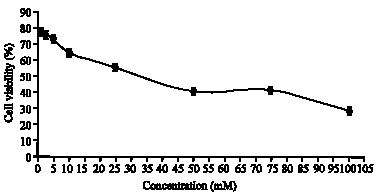 | |
| Fig. 1: | Dose dependent curves of HeLa cells treated with Gemcitabine (1-100 mM) for 24 h |
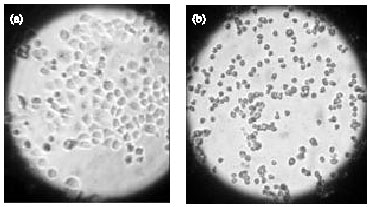 | |
| Fig. 2: | Microscopic features of HeLa cells (a) before treatment and (b) after treatment with 35 mM gemcitabine for 24 h (Magnification 100X) |
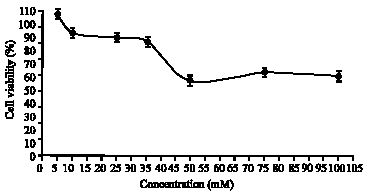 | |
| Fig. 3: | Dose dependent curve of Gemcitabine (5-100 mM) on lymphocytes treated for 24 h |
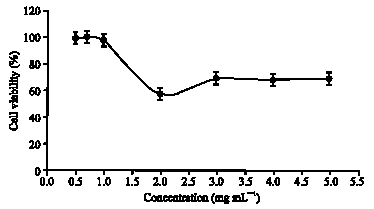 | |
| Fig. 4: | Dose dependent curve of S. aromaticum extract (0.5-5 mg mL-1) on HeLa cells |
The LD50 of S. aromaticum extract on HeLa cells was found to be 2 mg mL-1 for 24 h. The morphological changes on treatment with 2 mg mL-1 clove extract (for 24 h) were examined using the normal inverted microscope. Clove extract treated cells showed characteristic rounding off of dying cells compared to untreated control (Fig. 5a, b). It is well established that chemopreventive drugs have differential effect on cancer cells and normal cells in vivo and in vitro.
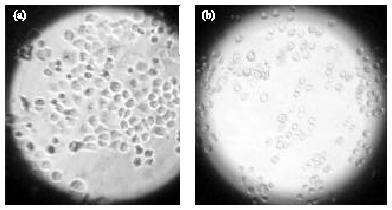 | |
| Fig. 5: | Microscopic features of HeLa cells (a) before treatment and (b) after treatment with 2 mg mL-1 clove extract for 24 h (Magnification 100X) |
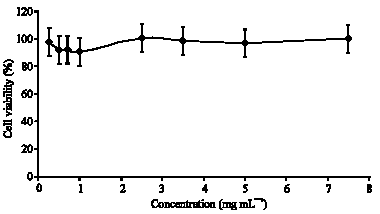 | |
| Fig. 6: | Dose dependent curve of S. aromaticum extract (0.5-8 mg mL-1) treatment on lymphocytes for 24 h |
In the light of this fact, we assessed the effect of S. aromaticum extract on lymphocytes (as normal). Isolated lymphocytes treated with clove extract at varying doses of 0.5-8 mg mL-1 for 24 h (Fig. 6) showed no significant effect on cell viability. Our study re-affirms the cancer preventive properties of clove and the fact that it has relatively less (or no) toxicity to normal cells.
To minimize these problems r elated to chemotherapy as well as to increase the efficacy of chemotherapeutic rugs, we ypothesized that chemopreventive agent such as clove (S. aromaticum) an be used in combination with chemotherapeutic drugs. To confirm this assumption, the combined effect of gemcitabine and S. aromaticum extract on HeLa cells was studied. Sub-lethal dose (5 mM) of gemcitabine was used in combination with increasing concentrations of S. aromaticum extract (2, 3 and 4 mg mL-1) to treat HeLa cells for 24 h (Fig. 7). Five millimolor gemcitabine was used in combination with 2 mg mL-1 of the clove extract resulted in significant decrease in cell viability (35.5%) compared to either of the compounds alone (75 and 62%, respectively for gemcitabine and clove extract). Thus, sub-lethal doses of gemcitabine in combination with S. aromaticum extract increased effectiveness of the chemotherapeutic drug, hence, reducing its cytotoxicity. Similar experiment was also performed with normal cells (data not shown).
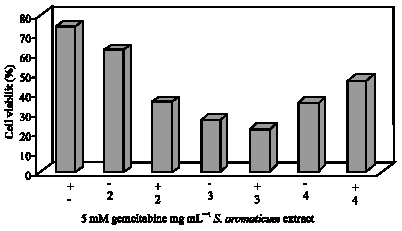 | |
| Fig. 7: | Combination study of gemcitabine and S. aromaticum. HeLa cells were treated with S. aromaticum (2, 3 and 4 mg mL-1) and gemcitabine (5 mM) alone and in combination for 24 h |
There was no significant decrease in cell viability on treatment of lymphocytes with combination of sub-lethal dose of gemcitabine (5 mM) and clove extract (2, 3 and 4 mg mL-1).
DISCUSSION
Cervical cancer is one of the most common cancers in women worldwide. Surgical resection and/or radiation ablation or systemic chemotherapy is the main lines of treatment for cervical cancer, but post-treatment recurrence is quite frequent. All anti-cancer drugs currently in use are highly cytotoxic agents and may be toxic to normal cells specially to rapidly dividing cells like bone marrow, fetal cells, germ cells, hair follicles cells, intestinal cells, etc (Elst et al., 2007; Gonzalez-Cortijo et al., 2008). Gemcitabine is a pro-drug and is metabolized intracellularly to the active diphosphate (dFdCDP) and triphosphate (dFdCTP) nucleosides. Gemcitabine exhibits cell phase specificity, primarily killing cells undergoing DNA synthesis (S-phase) and also blocking the progression of cells through the G1/S phase boundary (Abratt et al., 1994). Owing to its inhibitory effect on DNA replication, gemcitabine has been toxic to normal cells as well. However, the effect of chemotherapeutic drugs on tumor cells is greater than that on normal cells (Suman and Kaiser, 2006).
In view of the previous studies, we attempted to confirm the differential effect of chemotherapeutic drug (Gemcitabine) on cancer and normal cells. We observed that on treatment with same concentrations of Gemcitabine, growth inhibition was higher in cervical cancer cells than normal cells. The LD50 value of gemcitabine for HeLa (cervical cancer cell line) was determined to be 35 mM and for lymphocytes LD50 was 50 mM. Moreover, microscopic examination also confirmed the cytotoxic effect of 35 mM gemcitabine on HeLa cells. This study thus confirms that in addition to targeting the cancer cells, the chemotherapeutic drugs also affect the normal proliferating cells. Williams et al. (1987) have shown that tumor cells are more sensitive to cell death by chemotherapeutic drugs than normal cells. This differential effect of gemcitabine on cervical cancer and normal cells can be attributed to their biochemical differences. Also, tumor drug selectivity may be based on differences in the cell kinetics of normal and cancer cells (Abratt et al., 1994; Aapro et al., 1998; Suman and Kaiser, 2006; Franklin et al., 2007; Khan et al., 2008).
In addition to their therapeutic effects, chemotherapeutic drugs also have side-effects at physiological and cellular levels. Therefore, another approach that focuses on the reducing the toxic effects and enhanced efficacy of the chemotherapeutic drugs is gaining ground. An alternative and novel approach for the management of cancer is chemoprevention through the recommended intake of health protective food especially those present in vegetables, fruits, beverages and spices in daily diet (Weinstein, 1991; Hursting et al.,1999; Singh et al., 2004; Baneerjee et al., 2006; Hail et al., 2008; Pan and Ho, 2008). Various studies have shown that components of clove like eugenol have apoptosis-inducing effects (Zheng et al., 1992; Ghosh et al., 2005; Banerjee et al., 2006; Sarkar and Li, 2006; Soobrattee et al., 2006).
In the present study we observed a dose dependent decrease in cell viability of HeLa cells treated with 50% ethanolic clove extract at dose ranging from 0.5-2 mg mL-1 for duration of 24 h. This is consistent with previous studies which also showed that the dose of 1.5 mg mL-1 was cytotoxic to the cancer cells (Mazzio and Soliman, 2009). This is the first time that the chemopreventive effect of clove extract has been studied in cervical cancer. However, we observed an increase in cell viability on treatment with clove extract at higher doses (>2 mg mL-1). This could be due to the over expression of Bcl-2 or Bcl-x which could protect against the chemotherapy induced release of mitochondrial cytochrome c, caspase activation and DNA fragmentation (Harliansyah et al., 2007; Tong et al., 2004). However, when observed microscopically, more cell death was visible at these doses than doses below and at 2 mg mL-1. Hence, the increase in absorbance (at 570 nm) observed could be attributed to the color of the clove extract that interferes with absorbance.
Next, we wanted to evaluate the cytotoxic effect of clove extract at same concentrations on lymphocytes (normal cells). We found that the extract had no significant effect on cell viability of lymphocytes. These findings are consistent with the previous studies which have also shown that chemopreventive agents have no systemic toxicity even at high concentrations (Ghosh et al., 2009). A clinical study showed that curcumin is well tolerated even at very high doses (Land et al., 2004; Lao et al., 2006). This finding strengthens our hypothesis to develop this property for augmenting the efficacy of cancer therapy while simultaneously reducing the toxicity on normal cells.
Chemopreventive compounds exert the antitumor activities through regulation of different cell signaling pathways. Therefore, common cancer therapies combined with these dietary compounds may exert enhanced antitumor activity through synergistic action or compensation of inverse properties. The combination treatment may also decrease the systemic toxicity caused by chemotherapies or radiotherapies because lower doses could be used (Surh, 2003; Banerjee and Das, 2005; Banerjee et al., 2006; Adhami et al., 2007). Studies have reported that genistein (a chemopreventive) in vitro potentiated growth inhibition and apoptotic cell death caused by cisplatin, docetaxel, doxorubicin and gemcitabine (chemotherapeutic drugs) in prostate, breast, pancreas and lung cancers (Banerjee et al., 2006; Sarkar and Li, 2006; Guo et al., 2009).
At this juncture, we report for the first time the proliferation-inhibiting and apoptosis-inducing effects of treatment with gemcitabine in combination with S. aromaticum extract in vitro on HeLa cells and lymphocytes. Our results showed that S. aromaticum enhanced the growth inhibitory effects of gemcitabine at sub lethal doses. The percentage cell death using combination of 5 mM gemcitabine and 2 mg mL-1 of S. aromaticum extract was significantly higher (~65%) than the cell death when either of the compounds was used alone. A similar effect was observed with the combination of 3 mg mL S. aromaticum extract and 5 mM gemcitabine. This combination resulted in 77% cell death which was more than the cell death caused by either of them alone. This in vitro study suggests that clove may serve as potent agent for enhancing the therapeutic effects of chemotherapy for the treatment of cervical cancer. These results are in line with the previously discussed studies which observed a synergistic crosstalk between these two probable therapies (Banerjee et al., 2006; Sarkar and Li, 2006). However, on increasing the concentration of S. aromaticum extract to 4 mg mL-1, the absorbance was found to increase. Here again cell death was visible on microscopic observation and hence as discussed above, the increase in absorbance by MTT could be attributed to colour of the clove extract. Thus, we can infer that combination of gemcitabine with clove can be used effectively for overcoming the problems associated with chemotherapy. The key findings of this study advocate that clove may be used to potentiate the cytotoxic effects of gemcitabine on cervical cancer cells.
CONCLUSION
Thus, concurrent chemotherapy and chemopreventive improves the cancer treatment by minimizing the cytotoxic effects and maximizing the efficiency of drugs, should the agent be developed for human cancer treatment. However, further in-depth mechanistic studies, in vivo animal experiments and clinical trials are needed to bring this concept into practice to fully appreciate the value of chemopreventive agents in combination therapy of human cancers.
ACKNOWLEDGMENTS
Authors are grateful to Dr. B. Ramjee, Director and Dr. Firdos Alam Khan, Chairperson, Department of Biotechnology, Manipal University, Dubai, and Dr. K. Satyamoorthy, Director, School of Life Sciences, Manipal University, India for the funding, constant support and encouragement.
REFERENCES
- Abratt, R.P., W.R. Bezwoda, G. Falkson, L. Goedhals, D. Hacking and T.A. Rugg, 1994. Efficacy and safety profile of gemcitabine in non-small-cell lung cancer: A phase II study. J. Clin. Oncol., 12: 1535-1540.
Direct Link - Adhami, V.M., A. Malik, N. Zaman, S. Sarfaraz and I.A. Siddiqui et al., 2007. Combined inhibitory effects of green tea polyphenols and selective cyclooxygenase-2 inhibitors on the growth of human prostate cancer cells both in vitro and in vivo. Clin. Cancer Res., 13: 1611-1619.
PubMed - Aggarwal, B.B. and S. Shishodia, 2006. Molecular targets of dietary agents for prevention and therapy of cancer. Biochem. Pharmacol., 71: 1397-1421.
CrossRefPubMedDirect Link - Banerjee, S. and S. Das, 2005. Anticarcinogenic effects of an aqueous infusion of cloves on skin carcinogenesis. Asian Pacific J. Cancer Prev., 6: 304-308.
Direct Link - Banerjee, S., C.K. Panda and S. Das, 2006. Clove (Syzygium aromaticum L.), a potential chemopreventive agent for lung cancer. Carcinogenesis, 27: 1645-1654.
CrossRefDirect Link - Boyum, A., 1968. Isolation of mononuclear cells and granulocytes from human blood. Isolation of monuclear cells by one centrifugation and of granulocytes by combining centrifugation and sedimentation at 1g. Scand. J. Clin. Lab. Invest., 97: 77-89.
PubMedDirect Link - Candelaria, M., A. Garcia-Arias, L. Cetina and A. Duenas-Gonzalez, 2006. Radiosensitizers in cervical cancer. Cisplatin and beyond. Radiat. Oncol., 1: 15-32.
CrossRefDirect Link - Cartwright, J.E., G.S.T.J. Whitley and A.P. Johnstone, 1997. Endothelial cell adhesion molecule expression and lymphocyte adhesion to endothelial cells: Effect of nitric oxide. Exp. Cell Res., 235: 431-433.
CrossRefDirect Link - Dash, P.R., J.E. Cartwright and G.S.J. Whitley, 2003. Nitric oxide inhibits polyamine-induced apoptosis in the human extravillous trophoblast cell line SGHPL-4. Hum. Reprod., 18: 959-968.
CrossRefDirect Link - Franklin, M.R., P.J. Moos, W.M. El-Sayed, T. Aboul-Fadl and J.C. Roberts, 2007. Pre- and post-initiation chemoprevention activity of 2-alkyl/aryl selenazolidine-4(R)-carboxylic acids against tobacco-derived nitrosamine (NNK)-induced lung tumors in the A/J mouse. Chemico-Biol. Interact., 168: 211-220.
CrossRefPubMed - Ghosh, A.K., N.E. Kay, C.R. Secreto and T.D. Shanafelt, 2009. Curcumin inhibits prosurvival pathways in chronic lymphocytic leukemia B Cells and may overcome their stromal protection in combination with EGCG. Clin. Cancer Res., 15: 1250-1258.
CrossRefDirect Link - Ghosh, R., N. Nadiminty, J.E. Fitzpatrick, W.L. Alworth, T.J. Slaga and A.P. Kumar, 2005. Eugenol causes melanoma growth suppression through inhibition of E2F1 transcriptional activity. J. Biol. Chem., 280: 5812-5819.
Direct Link - Gonzalez-Cortijo, L., N. Carballo, A. Gonzalez-Martin, V. Corraliza and L. Chiva de Agustin et al., 2008. Novel chemotherapy approaches in chemoradiation protocols. Gynecol. Oncol., 110: S45-S48.
PubMedDirect Link - Guo, O., Y. Chen, B. Zhang, M. Kang, Q. Xie and Y. Wu, 2009. Potentiation of the effect of gemcitabine by emodin in pancreatic cancer is associated with survivin inhibition. Biochem. Pharmacol., 77: 1674-1683.
PubMedDirect Link - Hail, N., M. Cortesa, E.N. Drakeb and J.E. Spallholz, 2008. Cancer chemoprevention: A radical perspective. Free Rad. Biol. Med., 45: 97-110.
PubMedDirect Link - Harliansyah , N.A.M., W.Z.W. Ngah and Y.A.M. Yusof, 2007. Antiproliferative, antioxidant and apoptosis effects of Zingiber officinale and 6-Gingerol on HepG2 cells. Asian J. Biochem., 2: 421-426.
Direct Link - Hida, T., K. Kozaki, H. Ito, O. Miyaishi and Y. Tatematsu et al., 2002. Significant growth inhibition of human lung cancer cells both in vitro and in vivo by the combined use of a selective cyclooxygenase 2 inhibitor, JTE-522, and conventional anticancer agents. Clin. Cancer Res., 8: 2443-2447.
Direct Link - Hida, T., K. Kozaki, H. Muramatsu, A. Masuda and S. Shimizu et al., 2000. Cyclooxygenase-2 inhibitor induces apoptosis and enhances cytotoxicity of various anticancer agents in non-small cell lung cancer cell lines. Clin. Cancer Res., 6: 2006-2011.
PubMedDirect Link - Hursting, S.D., T.J. Slaga, S.M. Fischer, J. DiGiovanni and J.M. Phang, 1999. Mechanism-based cancer prevention approaches: Targets, examples, and the use of transgenic mice. J. Nat. Cancer Inst., 91: 215-225.
CrossRefDirect Link - Khan, N., V.M. Adhami and H. Mukhtar, 2008. Apoptosis by dietary agents for prevention and treatment of cancer. Biochem. Pharmacol., 76: 1333-1339.
CrossRefPubMedDirect Link - Land, B. van`t, N.M.A. Blijlevens, J. Marteijn, S. Timal, J.P. Donnelly, T.J.M. de Witte and L. M`Rabet, 2004. Role of curcumin and the inhibition of NF-kB in the onset of chemotherapy-induced mucosal barrier injury. Leukemia, 18: 276-284.
PubMedDirect Link - Lao, C.D., T.R. Mack, N. Daniel, D.H. Dennis and I.M. Sandra et al., 2006. Dose escalation of a curcuminoid formulation. BMC Complement Altern. Med., 6: 10-14.
CrossRefDirect Link - Lev-Ari, S., A. Vexler, A. Starr, M. Ashkenazy-Voghera, J. Greif, D. Aderka and R. Ben-Yosef, 2007. Curcumin augments gemcitabine cytotoxic effect on pancreatic adenocarcinoma cell lines. Cancer Invest., 25: 411-418.
PubMedDirect Link - Mazzio, E.A. and K.F.A. Soliman, 2009. In vitro screening for the tumoricidal properties of international medicinal herbs. Phytother. Res., 23: 385-398.
CrossRefDirect Link - Pan, M.H. and C.T. Ho, 2008. Chemopreventive effects of natural dietary compounds on cancer development. Chem. Soc. Rev., 37: 2558-2574.
CrossRefDirect Link - Park, J., V. Ayyappan, E.K. Bae, C. Lee and B.S. Kim et al., 2008. Curcumin in combination with bortezomib synergistically induced apoptosis in human multiple myeloma U266 cells. Mol. Oncol., 2: 317-326.
PubMedDirect Link - Piazza, G.A., A.B. Keeton, H.N. Tinsley, B.D. Gary and J.D. Whitt et al., 2009. A novel sulindac derivative that does not inhibit cyclooxygenases but potently inhibits colon tumor cell growth and induces apoptosis with antitumor activity. Cancer Prev. Res., 2: 572-580.
CrossRefDirect Link - Raffoul, J.J., F.H. Sarkar and G.G. Hillman, 2007. Radiosensitization of prostate cancer by soy isoflavones. Curr. Cancer Drug Targets, 7: 759-765.
PubMedDirect Link - Sarkar, F.H. and Y. Li, 2006. Using chemopreventive agents to enhance the efficacy of cancer therapy. Cancer Res., 66: 3347-3350.
Direct Link - Scott, E.N., A.J. Gescher, W.P. Steward and K. Brown, 2009. Development of dietary phytochemical chemopreventive agents: biomarkers and choice of dose for early clinical trials. Cancer Prev. Res., 2: 525-530.
CrossRefDirect Link - Singh, U.P., D.P. Singh, S. Maurya, R. Maheshwari, M. Singh, R.S. Dubey and R.B. Singh, 2004. Investigation on the phenolics of some spices having pharmacotherapeuthic properties. J. Herb Pharmacother., 4: 27-42.
PubMed - Soobrattee, M.A., T. Bahorun and O.I. Aruoma, 2006. Chemopreventive actions of polyphenolic compounds in cancer. Bio. Factors, 27: 19-35.
PubMedDirect Link - Suman, G. and K. Jamil, 2006. Application of human lymphocytes for evaluating toxicity of anti-cancer drugs. Int. J. Pharmacol., 2: 374-381.
CrossRefDirect Link - Surh, Y.J., 2003. Cancer chemoprevention with dietary phytochemicals. Nat. Rev. Cancer, 3: 768-780.
CrossRefPubMedDirect Link - Tannock, I.F., 1996. Treatment of cancer with radiation and drugs. J. Clin. Oncol., 14: 3156-3174.
Direct Link - Tong, X.S., M. Lin and D.X. Hou, 2004. Molecular Mechanism of echinocystic acid-induced apoptosis in HepG2. Biochem. Biophys. Res. Comm., 321: 539-546.
CrossRefDirect Link - Umanzor, J., M. Aguiluz, C. Pineda, S. Andrade, M. Erazo, C. Flores, S. Santillana, 2006. Concurrent cisplatin/gemcitabine chemotherapy along with radiotherapy in locally advanced cervical carcinoma: A phase II trial. Gynecol. Oncol., 100: 70-75.
PubMedDirect Link - Weinstein, I.B., 1991. Cancer prevention: Recent progress and future opportunities. Cancer Res., 51: 5080-5085.
Direct Link - Williams, S.D., D.M. Stablein, L.H. Einhorn, F.M. Muggia and R.B. Weiss et al., 1987. Immediate adjuvant chemotherapy versus observation with treatment at relapse in pathological stage II testicular cancer. New Eng. J. Med., 317: 1433-1438.
Direct Link - Zheng, G.Q., P.M. Kenney and L.K. Lam, 1992. Sesquiterpenes from clove (Eugenia caryophyllata) as potential anticarcinogenic agents. J. Nat. Prod., 55: 999-1003.
PubMedDirect Link