

F.S. Taha
Department of Fats and Oils, National Research Centre, Dokki, Cairo, Egypt
G.F. Mohamed
Department of Food Technology,National Research Centre, Dokki, Cairo, Egypt
S.H. Mohamed
Department of Dairy, National Research Centre, Dokki, Cairo, Egypt
S.S. Mohamed
Department of Fats and Oils, National Research Centre, Dokki, Cairo, Egypt
M.M. Kamil
Department of Food Technology,National Research Centre, Dokki, Cairo, Egypt
American Journal of Food Technology
Year: 2011 | Volume: 6 | Issue: 12 | Page No.: 1002-1020







ABSTRACT
Sunflower seed defatted meal (SM) is an underutilized source of protein due to the presence of chlorogenic acid (CGA) which imparts a greenish color to sunflower meal protein products. The aim of the present study was to prepare a (CGA) extract from SM and evaluate its biological activity. The study included extraction of phenolic compounds from SM, using 80% methanol, 80% ethanol and 80% acetone. The methods of extraction used included conventional extraction (CE), microwave assisted extraction (MAE) and ultrasound assisted extraction (UAE). Results proved that acetone achieved highest phenolic extraction, acetone-CE, acetone-MAE and acetone-UAE extracted 1802.76, 3668.81 and 3093.31 mg total phenolics/100 g meal. For safe nutritional reasons ethanol was chosen to continue the investigation. Ethanol concentrations 80, 70, 60, 50% were examined and results indicated 60% to be the most efficient. Using solvent mixtures with MAE-3 min and UAE-30 min proved effective. All phenolic extracts had a good antioxidant activity ranging between 86-95% as measured by free radical scavenging activity and between 74-93% as measured by the β-carotene bleaching method. Some of the above extracts were chosen for further investigation. The 60% ethanol-MAE-3 min and 60% ethanol-UAE-30 min extracts were effective for delaying oxidation of flaxseed oil. UV Spectroscopic analysis and HPLC analysis indicated that the chosen extracts contained between 687.22-1243.51 mg CGA/100 g as measured by UV-spectrophotometry and between 726.27-923.45 mg CGA/100 g as determined by HPLC. All chosen extracts showed potential as antimicrobial and anticarcinogenic agents. In conclusion the CGA extract was successfully prepared and proved to have antioxidant, antimicrobial and anticarcinogenic properties.
PDF Abstract XML References Citation
Received: September 19, 2011;
Accepted: October 28, 2011;
Published: December 12, 2011
How to cite this article
F.S. Taha, G.F. Mohamed, S.H. Mohamed, S.S. Mohamed and M.M. Kamil, 2011. Optimization of the Extraction of Total Phenolic Compounds from Sunflower Meal and Evaluation of the Bioactivities of Chosen Extracts. American Journal of Food Technology, 6: 1002-1020.
DOI: 10.3923/ajft.2011.1002.1020
URL: https://scialert.net/abstract/?doi=ajft.2011.1002.1020
DOI: 10.3923/ajft.2011.1002.1020
URL: https://scialert.net/abstract/?doi=ajft.2011.1002.1020
INTRODUCTION
Until recently, all plant foodstuffs had been looked upon as a source of nutrition containing, protein, carbohydrate, fats, vitamins, minerals and dietary fiber. With increasing epidemiological studies, it became clear that there are other elements in plants beyond the conventional ones. These elements termed Phytochemicals showed evidence in improving human health and preventing disease. The plant kingdom contains a myriad of phytochemicals among which the most common are phenolic acids, phenolic compounds or polyphenols, tannins, terpenes, limonoids, Lignans, phytates. Phenolic acids include: Ferulic acid, chlorogenic acid, caffeic acid, coumaric acid etc.
Phytochemicals are not essential; their absence from the diet will not result in death. However they are important to our body especially at times when our exposure to free radical producers is great. The importance of phytochemicals arises from their ability to act as powerful antioxidants (Stevenson and Hurst, 2007; Sun et al., 2002), protect against cancer (Sun et al., 2002; Ling et al., 2010), have antibacterial effect (Cowan, 1999; Iwu et al., 1999), protect against cardiovascular disease, diabetes, obesity (Anderson, 2003; McCarty, 2004) and others. Solvent extraction of phenolic compounds from plant material is affected by the type of solvent and its polarity, particle size and extraction procedures. Extraction time, solvent: sample ratio and solvent concentration are among the factors that affect extracted yield. Results of the analysis of phenolic compounds are influenced by all the above mentioned parameters (Naczk and Shahidi, 2004; Antolovich et al., 2000). Extracting solvents used for phenolic compounds include methanol, ethanol, acetone, water, ethyl acetate and to a lesser extent, propanol, dimethyl formamide and their combinations (Naczk and Shahidi, 2004; Antolovich et al., 2000; Majors, 1995; Vrhovsek et al., 2004; Parejo et al., 2004).
The basic technique for the extraction of bioactive compounds from plant materials is the solvent extraction. Solubility and mass transfer of compounds are affected by the choice of solvent, the use of heat, agitation and time. Solvent extraction requires long extraction time which might lead to thermal degradation of the phyto constituents (De Castro and Garcia-Ayuso, 1998).
The traditional techniques of solvent extraction of plant materials are mostly techniques based on the correct choice of solvents and the use of heat or/and agitation to increase the solubility of the desired compounds and improve their mass transfer. Usually the traditional technique requires longer extraction time thus running a severe risk of thermal degradation of most of the phyto-constituents (De Castro and Garcia-Ayuso, 1998). Novel extraction methods include Microwave Assisted Extraction (MAE), Supercritical Fluid Extraction (SCFE), Pressurized Solvent Extraction (PSE) and Ultrasound Assisted Extraction (UAE). These novel techniques use shorter extraction time, show reduced solvent consumption and protect thermolabile constituents (Dai and Mumper, 2010; Garcia-Salas et al., 2010).
Sunflower seeds are mainly planted as a source of edible oil and as a condiment. Sunflower seeds after extraction of the oil result in a meal product which is rich in protein (>40-50% protein). Its protein quality is close to soybean and cottonseed protein. It is rich in the sulfur-amino acids but is limited in lysine. Proper blending with other plant protein sources that are rich in lysine but limiting in sulfur amino acids can complement one another. The addition of synthetic lysine can also overcome this problem. Adjusting the lysine content of sunflower protein products improve their Protein Efficiency Ratio (PER) values significantly (Taha et al., 1980; Smith, 1971). Sunflower protein is highly digestible and has high biological values (Robertson, 1972). Sunflower protein isolates and concentrates have been prepared by various methods. Unfortunately, the presence of phenolic compounds, like chlorogenic acid (ca. 70% of the phenolic compounds) poses a problem for human consumption (Spirad and Rao, 1987). Chlorogenic acid present in sunflower kernel oxidizes to an irreversible green color during alkali extraction of sunflower protein isolates. The grey color of the products results from the finely ground particles of the dark hulls (Sosulski et al., 1972).
The objective of the present study was to prepare a phenolic extract-rich in chlorogenic acid and to evaluate its biological activity. After the removal of the chlorogenic acid a sunflower meal suitable for human consumption will be still available. The phenolic extracts were extracted using different solvents as well as different extraction methods. Phenolic extracts were subjected to the evaluation of their biological activities.
MATERIALS AND METHODS
Sunflower meal: Sunflower seed (Helianthus annus) type Sakha 53 (crop of 2010) was brought from the Department of Oil Crops, Ministry of Agriculture, Dokki, Egypt. Seeds were cleaned then ground using Wiley Mill, the hulls were separated from the seeds by aspiration. The kernels were then ground and subjected to defatting using a soxhlet extractor and n-hexane. The defatted meal was air dried and sieved to pass an 80 mesh screen. This study started September 2010 and ended April 2011.
Microorganisms: Microorganisms were obtained from the Microbiological Resources Center (Cairo MIRCEN) Faculty of Agriculture, Ain Shams University: E. coli 0157:H7 ATCC 51659, Staphylococcus aureus ATCC 13565, Bacillus cereus EMCC 1080, Listeria monocytogenes EMCC 1875 and Salmonella typhimurium ATCC25566.
Cell line carcinomas: Liver Carcinoma Cell Line (HEPG2), Larynx Carcinoma Cell Line (HEP2), Colon Carcinoma Cell Line (HCT), Cervical Carcinoma Cell Line (HELA), Breast Carcinoma Cell Line (MCF7), Intestinal carcinoma cell line (CACO), Normal Melanocytes (HFB4) were supplied and used in The National Cancer Institute, Biology Department, Cairo, Egypt.
Meal analysis: Moisture, oil, protein, ash, crude fiber contents were determined according to AOAC (2005).
Extraction of phenolic compounds using organic solvents: In this experiment, the effect of 80% methanol, 80% ethanol and 80% acetone on the extraction of total phenolic compounds from sunflower meal was determined. Experiment was carried out at room temperature, at a meal: Solvent ratio of 1:30. A single extraction was carried out for 60 min. using an electric stirrer. The extract was filtered, then subjected to rotary evaporation (BUCHI-Germany) until almost dryness (5 mL). The total phenolic in the extracts and their antioxidant activities were determined.
Extraction of phenolic compound using microwave-assisted extraction: In this experiment applying Microwave-Assisted Extraction (MAE) of sunflower meal phenolics using, 80% methanol, 80% ethanol and 80% acetone were investigated and compared with conventional extraction with same solvents. A meal:Solvent ratio of 1:30 was used. Samples were subjected to extraction using microwave (Goldstar, model ER-535MD, 980 watt, 2450 MHZ) at power level 20% for 2 and 3 min, then the concentration of the chosen solvent including 80, 70, 60 and 50% solvent was investigated for their ability to extract phenolic compound from sunflower meal. Solvent mixtures were formulated then tested with the MAE.
Extraction of phenolic compounds using ultrasound-assisted extraction: In this experiment Ultrasound-Assisted Extraction (UAE) of sunflower meal phenolics was investigated. 80% methanol, 80% ethanol and 80% acetone were the solvents used and results compared with conventional extraction and MAE with same solvents. A meal: solvent ratio of 1:30 was used. Samples subjected to ultrasound were extracted for 15 and 30 min. Then the concentration of the hosen solvent including 80, 70, 60 and 50% solvent was investigated for their ability to extract phenolic compound from sunflower meal. Solvent mixtures were formulated then tested with the UAE and MAE.
Analytical methods: Analytical methods were carried out on different crude phenolic extracts of sunflower meal. Total phenolic compounds were determined by the Folin Ciocalteu method according to Hung et al. (2002) and measured as gallic acid equivalent. Antioxidant activity was determined by two methods: Free radical scavenging activity according to Kuda et al. (2005) and by the β-carotene/linoleic acid method described by Al-Saikhan et al. (1995).
Chlorogenic acid was estimated in five chosen samples, these samples were purified using the Carrez reagent as described by Trugo and Macrae (1984) then subjected to UV-Spectrophotometric analysis using a-T-80+UV/Vis Spectrometer-PG Instruments Ltd., measuring absorption of GCA at 328 nm as recommended by Pomenta and Burns (1971) and Spirad and Rao (1987). GCA was also determined by HPLC analysis according to De Leonardis et al. (2005) using an HPLC system-HP1100 (Agilent Technologies, Palo Alto, CA, USA), equipped with an auto-sampler, quaternary pump and diode detector.
Anticarcinogenic activity was determined in the National Cancer Institute (Biology Department) on several cell lines by measurement of potential cytotoxicity of the phenolic extracts which was carried out by the Sulfo-Rhodamine-B stain (SRB) assay, according to the method of Skehan et al. (1990).
The antimicrobial activity for different extract was tested against five pathogenic bacterial strains after incubation at 37°C for 24-48 h. Screening of different extracts was tested by disc diffusion method as described by Kotzekidou et al. (2008).
Statistical analysis: The results are represented as an average and standard deviation, calculated on an Excel program, Microsoft 2007.
RESULTS AND DISCUSSION
Defatted sunflower meal composition is represented in Table 1. The composition of sunflower seeds vary depending on the variety of sunflower, soil composition, climate, supply of water, supply of fertilizers, number of plants/m2 (Veldstra and Klere, 1990).
Optimum extraction of phenolic compounds from sunflower meal: The solubility of phenolics in general is governed by their chemical nature which may vary from simple to very highly polymerized substances. The solubility of phenolics is also affected by the polarity of the used solvent. It thus seemed advisable to first examine the type of solvent for optimum extraction of phenolic compounds from sunflower meal. Results of the conventional solvent Extraction (CE) of defatted sunflower meal (single extraction) with 80% methanol, 80% ethanol and 80% acetone are represented in Table 2. Results reveal that highest extraction of phenolic compounds was achieved with acetone followed by methanol then ethanol, extracting 1802.76, 1684.64, 1003.66 mg phenolics/100 g meal, respectively. Acetone polarity was more suitable than ethanol and methanol to extract more phenolics. In accordance with the results of the present study, Duke and Beckstrom-Sternberg (1999) reported sunflower kernel to be a rich source of phenolic acids. They reported the kernel to contain up to 3194 mg phenolic acids/100 g kernel and that chlorogenic acid was the predominant phenolic acid.
| Table 1: | Chemical composition of sunflower seed kernel and meal* |
 | |
| *Valued are given on moisture free basi, ±SD: Standard Deviation | |
| Table 2: | Phenolic content, Free radical activity (FRSA) and antioxidant activity (AOA) of sunflower meal extracted with different solvents and by different methods |
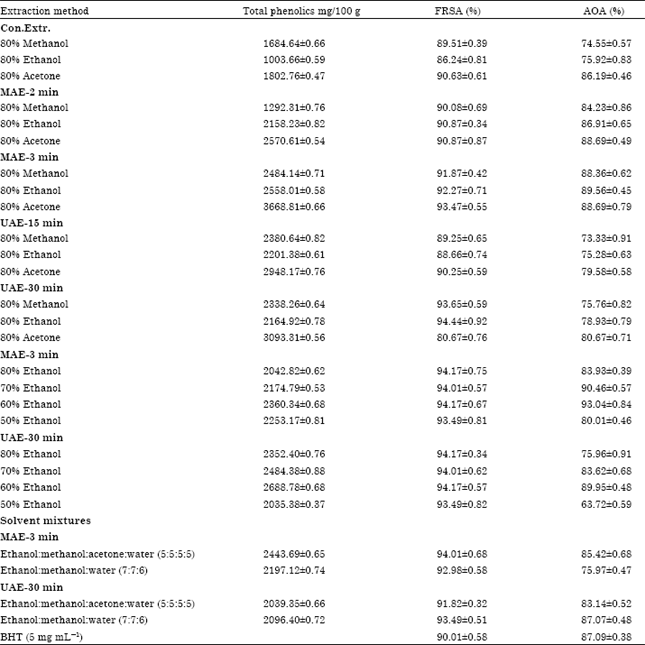 | |
Con.Extr.: Conventional extraction. MAE: Microwave assisted extraction. UAE: Ultrasound assisted extraction. Results are average of triplicate analysis with ±standard deviation | |
Recent times have witnessed the use and growth of new extraction techniques with shortened extraction time, reduced solvent consumption, increase pollution prevention and with special care for thermolabile constituents. Novel extraction methods include Microwave Assisted Extraction (MAE), Supercritical Fluid Extraction (SCFE), Pressurized Solvent Extraction (PSE) and Ultrasound Assisted Extraction (UAE) (Dai and Mumper, 2010; Garcia-Salas et al., 2010).
In this work we examined the same solvents used in the CE experiment but with the aid of microwave and ultrasound. Results of the MAE for 2 and 3 min. and the UAE for 15 and 30 min are indicated in Table 2. It is generally evident that both MAE and UAE results in quite an appreciable increase in the extracted phenolic compounds. In all cases acetone assisted extraction resulted in optimum extraction of total phenolics. Methanol 80% used with CE, MAE for 2 and 3 min and UAE for 15 and 30 min, extracted 1684.64, 1292.31, 2484.14, 2380.64 and 2338.26 mg phenolics/100 g meal, respectively. On the other hand 80% ethanol extracted 1003.66, 2158.23, 2558.01, 2201.38 and 2164.92 mg phenolics/100 g meal, respectively. Highest extracted phenolics was achieved with acetone using MAE-3 min 3668.81 mg phenolics/100 g meal, followed by acetone with UAE-30 min. 3093.31 mg phenolics/100 g meal. Ultrasound assisted extraction and Microwave assisted extraction are advantageous over conventional solvent extraction because they result in increased yield of extracted components. Advantages also include increased rate of extraction, reduction in extraction time and higher processing throughput (Vilkhu et al., 2008; Mandal et al., 2007). Many authors reported on the privilege of using MAE and UAE for the extraction of phenolic compounds from plant tissues, over conventional extraction (Herrera and de Castro, 2005; Ghafoor et al., 2009; Liompart et al., 1997).
Results proved acetone to be the choice solvent for the extraction of phenolic compounds from sunflower meal. This work is planned with the aim to use the prepared phenolic extract for human consumption. For this reason we plan to further investigate the use of ethanol instead of acetone as it is safer and costs less (Luthria et al., 2007). The use of ethanol as an extractive solvent for bioactive compounds has been proposed (Liu et al., 2010).
The concentration of ethanol was subjected to further investigation both with MAE-3min and UAE-30 min. Results in Table 2 showed that 60% ethanol was more efficient than all the investigated concentrations. 60% ethanol-MAE-3min extracted 2360.34 mg phenolics/100 g meal. Using 80, 70 and 50% ethanol-MAE-3min, extracted 2042.82, 2174.79 and 2253.17 mg phenolics/100 g meal, respectively. When using UAE-30 min the extracted phenolics were 2352.40, 2484.38, 2688.78 and 2035.38 mg phenolics/100 g meal with 80, 70, 60 and 50% ethanol, respectively. The effect of solvent mixtures on the extraction of phenolic compounds from sunflower meal were also investigated with both MAE-3min and UAE-30min. Solvent mixtures were ethanol: Methanol: Acetone: Water (5:5:5:5 v/v) and ethanol: Methanol: Water (7:7:6 v/v). From results in Table 2, it is clear that the mixture of four solvent is more efficient than the three solvent mixtures and that microwave helped to extract more phenolics than ultrasound.
Antioxidant activity of phenolic extracts: The antioxidant activity of phenolic compounds may result from the neutralization of free radicals initiating oxidation processes or from the termination of radical chain reactions. For this reason, two different methods have been used for the determination of the antioxidant activity of the extracts: The DPPH Free Radical Scavenging Activity (FRSA) and Inhibition of β-carotene co-oxidation in a linoleate model system.
Looking at Table 2, it is well demonstrated that conventional solvent extraction of sunflower meal with 80% acetone results in phenolic extract with highest FRSA and AOA with values 90.63 and 86.19%, respectively. The extraction with 80% methanol and 80% ethanol gave phenolic extracts with lower antioxidant activity values. Table 2 also indicated that applying MAE and UAE with 80% solvent concentrations revealed that MAE is superior to CE with higher FRSA and AOA. Acetone extract exhibited highest AOA proving it to be the most efficient for sunflower meal phenolic extraction. UAE at 15 min resulted in extracts with more or less same AOA as CE, although the quantity of TP extracted was superior in UAE. When carrying UAE for 30 min the result was TP extracts with higher FRSA (93.6-94.4%) than CE (89.5-90.6%). Same condition revealed values for AOA (75.8-80.7%) were still close to or less than that of CE (74.6-86.2%). Applying UAE-30 min., 80% acetone extracted more TP (Table 2) and had higher FRSA (94.44%) and AOA (80.67%) than methanol and ethanol extracts. Methanol and ethanol extracts showed (93.65, 94.44%) FRSA and (75.76, 78.93%) AOA, respectively. It must be also indicated that MAE gave extracts with highest TP (Table 2) and highest FRSA and AOA%. Normally the conclusion would be to continue the coming work with acetone as extracting solvent but as mentioned before, the investigation will be continued using ethanol as extracting solvent (due to safe nutritional reasons).
The ethanol concentration was then investigated, including: 80, 70, 60 and 50% ethanol with both MAE-3min and UAE-30min. Results indicated that 60% ethanol with both MAE-3min and UAE-30min gave highest FRSA% and AOA% than the other investigated concentrations. MAE-3min gave phenolic extracts that exhibited 94.17% FRSA and, 93.04% AOA while UAE -30 min gave phenolic extracts with 94.17% FRSA and 89.96% AOA. These results are higher than values for BHT (a standard antioxidant) with FRSA 90.01% and AOA 87.09%.
It is well recognized that chlorogenic acid is the major phenolic compound in sunflower meal constituting (~ 70%) of the total phenolics. It ranges between 2-4 g/100 g of defatted sunflower meal (Cater et al. 1972; Harinder et al., 2007). The antioxidant activity of chlorogenic acid is well documented (Xiang and Ning, 2008; Marinova et al., 2009; Bahri-Sahloul et al., 2009; Xia et al., 2010). Thus the following phenolic extracts were chosen to determine their content of CGA. 80% Methanol, ethanol and acetone sunflower meal phenolic extracts, were chosen to see the effect of different solvents on the quantity of CGA extracted. 60% ethanol-MAE-3 min and 60% ethanol-UAE-30 min sunflower meal phenolic extracts, were chosen to compare between their effects on quantity of CGA extracted. The effect of these extracts on the oxidative stability of flaxseed oil will be examined. These extracts will be also evaluated for their antimicrobial and anticarcinogenic activities.
Estimation of CGA by UV-Spectrophotometric analysis and by HPLC analysis for chosen samples: The five chosen sunflower meal phenolic extracts were subjected to UV-spectrophotometric analysis and HPLC analysis to determine the amount of CGA in the extracts.
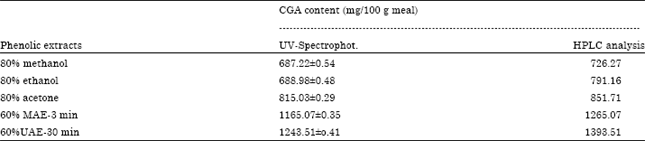
Table 3 gives the CGA content of the five chosen sunflower meal extracts determined by the two methods. Effect of the solvent type on the extract ability of CGA indicates that acetone extracts more CGA than ethanol or methanol as determined by both methods. Comparing between the effect of MAE and UAE, it is evident that UAE extracted more CGA than did MAE but the difference is not great. Table 3 illustrates that CGA values determined by HPLC are higher than those determined by UV-spectrophotometric for the same extracts. CGA content as determined by UV-spectrophotometry was in the following order: 1243.51, 1165, 815.03, 688.98, 687.22 mg CGA/100 g meal for 60% ethanol-UAE-30 min, 60% ethanol-MAE-3 min, 80% acetone, 80% ethanol, 80% methanol, respectively.
| Table 3: | Chlorogenic acid content of some sunflower meal phenolic extracts |
 | |
| Results are average of triplicate analysis with±standard deviation | |
On the other hand, CGA determined by HPLC followed the same order but with different values: 60% ethanol UAE-30 min (1393.51 mg CGA/100 g meal), 60% ethanol-MAE-3 min (1265.07 mg CGA/100 g meal), 80% acetone (851.71 mg CGA/100 g meal), 80% ethanol (791.16 mg CGA/100 g meal), 80% methanol (726.27 mg CGA/100 g meal).
Calculating the amount of CGA determined by UV as% of the total extracted phenolics, we find out that the CGA represent ca. 41, 31, 55, 54 and 51% of the phenolic extracts resulting from 80% methanol, 80% ethanol, 80% acetone, 60% ethanol UAE-30 min and 60% ethanol MAE-3 min, respectively. HPLC determination showed that the CGA represented ca. 57, 21, 53, 48 and 47% of the phenolic extracts resulting from 80% methanol, 80% ethanol, 80% acetone, 60% ethanol UAE-30 min and 60% ethanol MAE-3 min, respectively.
In contrary to this finding, Malmberg and Theander (1985) found that spectrophotometric analysis of potato chlorogenic acid gave higher values than did analysis by HPLC or GLC. Friedman (1997) reported that time and light affected chlorogenic acid in the methanolic and ethanolic extracts of potato used. He recommended the use of UV spectrophotometry for the determination of CGA over HPLC and that these methods need further investigations.
The chromatograms (Fig. 1-5) show that the sharp separation of CGA at 328 nm, from the five chosen extracts has been successfully achieved. The chromatograms also show the presence of other unidentified phenolic compounds in small quantities compared to CGA. The unidentified fractions include caffeic acid, quinic acid, ferulic acid and others as reported in the literature (De Leonardis et al., 2005).
Effect of chosen extracts on oxidative stability of flaxseed oil: The effect of the chosen extracts on the oxidative stability of flaxseed oil heated at 60°C for 12 days was measured, every other day. Progress in the Peroxide Value (PV) and p-anisidine value (p-AV) indicated progress in oxidation. PV measures the primary oxidation products while p-AV measures the secondary oxidation products. Results are illustrated in Fig. 6.
Sixty percent ethanol-UAE-30 min and 60% ethanol-MAE-3 min sunflower meal extracts inhibited the oxidation of flaxseed oil at day 12 more than TBHQ (standard antioxidant). Results of PV for oil + TBHQ, oil + 60% ethanol-UAE-30 min, oil + 60% ethanol-MAE-3min and oil without additions (control) were 67.06, 64.02, 66.62 and 88.23 mequivalent/kg oil, respectively while p-AV were 17.36, 15.2, 13.32, 26.76, respectively. TOTOX (TV) is another value which measures the total oxidation products and is often used in the industry. It is calculated as follows TV = 2PV + p-AV (Shahidi and Wanasundara, 2002). TV follows the same pattern as the PV and p-AV. 80% ethanol, 80% methanol and 80% acetone extracts of sunflower meal resulted in less inhibition of flaxseed oil oxidation than UAE and MAE extracts. These results confirm results of AOA and FRSA.
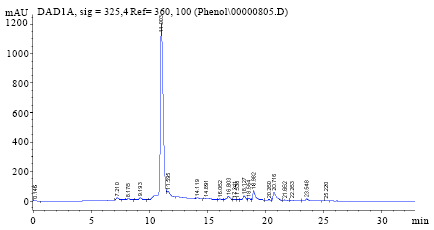 |
| Fig. 1: | HPLC chromatogram of 80% methanol sunflower meal phenolic extract |
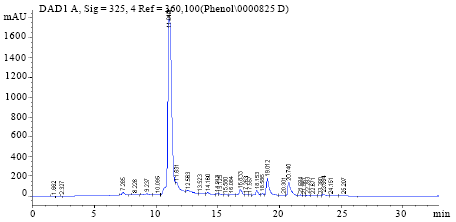 |
| Fig. 2: | HPLCchromatogram of 80% ethanol sunflower meal phenolic extract |
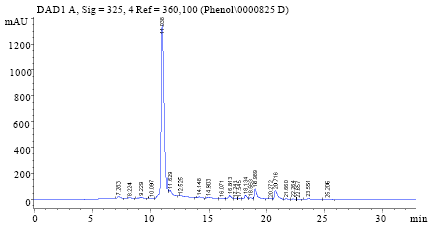 |
| Fig. 3: | HPLC chromatogram of 80% acetone sunflower meal phenolic extract |
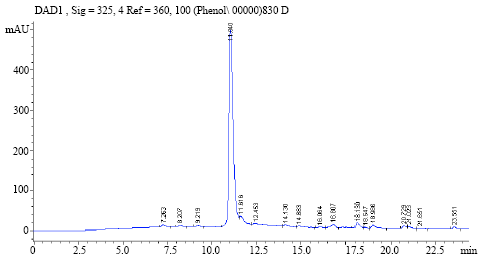 |
| Fig. 4: | HPLC chromatogram of 60% ethanol-UAE-30 min sunflower meal phenolic extract |
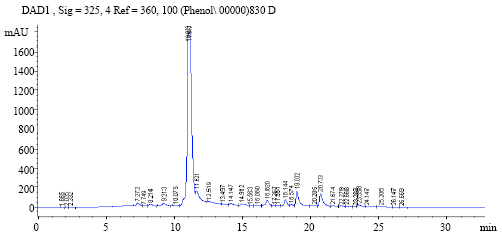 |
| Fig. 5: | HPLC chromatogram of 60% ethanol-UAE-30 min sunflower meal phenolic extract |
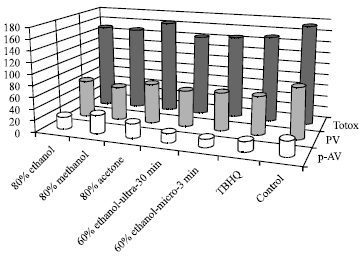 |
| Fig. 6: | Effect of chosen sunflower meal extract on the oxidative stability of flaxseed oil after 12 days heating at 60°C |
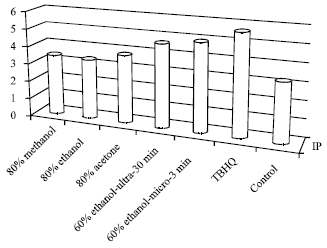 |
| Fig. 7: | Induction Period (IP) of chosen sunflower meal extract |
Induction Period (IP) is the lag period during which a fat or oil shows stability to oxidation because of its content of antioxidants (natural or added). These antioxidants are oxidized preferentially. After this there is a sudden and large consumption of oxygen and the fat becomes rancid. IP is measured in hours by the Rancimat.
Figure 7 illustrates the Induction Period (IP) of flaxseed oil with no additions, oil +TBHQ, oil +80% methanol, oil +80% ethanol, oil+80% acetone, oil +60% ethanol-UAE-30 min and oil +60% ethanol-MAE-3 min sunflower meal extracts.
Results in Fig. 7 in contrary to Fig. 6, showed that oil +TBHQ had the longest (IP) of 5.67 h. The ultrasound and the microwave extracts had IP of 4.68 and 4.95 h, respectively. Still these values were better than control 3.28 h. Other extracts had IP close to the control. The difference between results of accelerated oxidation and rancimat test may be due to some experimental error.
Antimicrobial activity for chosen phenolic extracts: There is considerable interest in the possible use of natural compounds as alternative food additives. They are used to prevent the growth of food borne pathogens or to delay the onset of food spoilage. Many naturally occurring compounds such as phenols (phenolic acids, polyphenols and tannins) have been considered in this context. Phenolics are being used in foods mainly for purposes such as antioxidants and other than antimicrobial agents (Nychas, 1995). Thus it seemed worthwhile to evaluate the chosen phenolic extracts as antimicrobial agents.
The five chosen phenolic extracts of sunflower meal, namely 80% methanol, 80% ethanol and 80% acetone, 60% ethanol-UAE-30 min and 60% ethanol-MAE-3 min sunflower meal extracts were tested for their Antimicrobial Activity (AMA). The chosen extracts were tested against five bacterial strains using the disc diffusion method. The bacterial strains included: E. coli 0157: H7 ATCC 51659, Staphylococcus aureus ATCC 13565, Bacillus cereus EMCC 1080, Listeria monocytogenes EMCC 1875 and Salmonella typhimurium ATCC25566.
Data presented in Table 4 show the inhibitory effect of the three different ethanol, methanol and acetone phenolic extracts from sunflower meal. When comparing the effect of the three extracts on the inhibition of the bacteria strains, it is clear that the three extracts exhibited various degrees of inhibition against the five bacteria strains. Results reveal that 80% ethanol was the most effective of the three extracts for Li. monocytogenes, Staphylococcus aureus, Salmonella typhimurum and E. coli (zone diameter 13.6, 15.5, 17.8 and 20.3 mm, respectively) while 80% acetone was most effective for B. cereus (zone diameter 20.3).
| Table 4: | Efficiency of chosen sunflower meal phenolic extracts on the inhibition of some pathogenic bacteria strains |
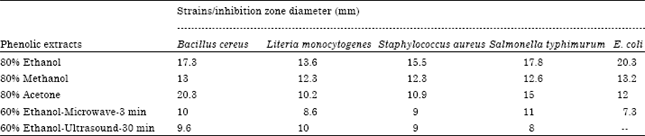 | |
These results reveal that the antimicrobial capacity of a phenolic extract from one plant source is affected by the solvent type. This result is confirmed by the work of (Turkmen et al., 2007; Weerakkody et al., 2010). It has been reported that phenolic compounds may affect growth and metabolism of bacteria. They could have an activating or inhibiting effect on microbial growth according to their constitution and concentration (Rauha et al., 2000; Alberto et al., 2001, 2002; Estevinho et al., 2008; Vaquero et al., 2010).
Comparing the effect of MAE and UAE assisted extraction on the antimicrobial activity of the 60% ethanolic extract of sunflower meal (Table 4), it is clear that the 60% ethanol-MAE-3 min phenolic extract inhibited the growth of five of the tested bacteria strains. On the other hand 60% ethanol-UAE-30 min exhibited antimicrobial activity on four of the tested bacteria strains but had no inhibition effect on E. coli. Phenolic extract resulting from MAE inhibited the five bacteria strains with clear zone of inhibition of 10, 8.6, 9, 11, 7.3 mm for Bacillus cereus, Listeria monocytogenes, Staphylococcus aureus, Salmonella typhimurium, E. coli, respectively. Inhibition zone exhibited by UAE phenolic extract was 9.6, 10, 9, 8 mm, for Bacillus cereus, Listeria monocytogenes, Staphylococcus aureus, Salmonella typhimurium, respectively. Comparing 60% ethanol-MAE and 60% ethanol-UAE extracts with CE 80% ethanol extract, it is clear that CE results in much higher inhibition zones. Perhaps the conditions of the assisted extractions cause this difference. Our results agree with the observation of Estevinho et al. (2008) that the susceptibility of bacteria to phenolic compound and Gram reaction appears to have influence on growth inhibition. Similar observations were reported by Hayouni et al. (2007) that the Gram-positive bacteria, Staphylococcus aureus ATCC 25923 and Enterococcus faecalis ATCC 29212, were inhibited more easily than were the Gram-negative ones. The results in general show that different bacteria species exhibit different sensitivities towards same phenolics. Some authors have found that more highly oxidized phenols are more inhibiting (Scalbert, 1991; Urs and Dunleavy, 1975).
Anticarcinogenic activity of chosen phenolic extracts: This evaluation was carried out in the National Cancer Institute, Biology Department, Cairo, Egypt. The experiment was done by the Sulfo-Rhodamine-B stain (SRB) assay, according to the method of (Skehan et al., 1990).
The chosen phenolic extracts namely: 80% methanol, 80% ethanol, 80% acetone, 60% ethanol MAE-3min and 60% ethanol-UAE-30 min sunflower meal extracts has been evaluated as chemopreventive agents. This was established by testing the extracts for any cytotoxic activity against the following human tumor cell lines: Liver Carcinoma Cell Line (HEPG2), Larynx Carcinoma Cell Line (HEP2), Colon Carcinoma Cell Line (HCT), Cervical Carcinoma Cell Line (HELA), Breast Carcinoma Cell Line (MCF7), Intestinal carcinoma cell line (CACO) and Normal Melanocytes (HFB4).
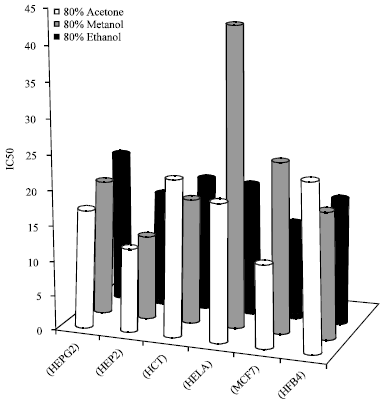 |
| Fig. 8: | Anticarcinogenic activity of 80% acetone, methanol and ethanol sunflower meal extracts on several cell line carcinomas. HEPG2: Liver carcinoma cell line, HEP2: Larynx carcinoma cell line, HCT: Colon carcinoma cell line. HELA: Cervical carcinoma cell line, MCF7: Breast carcinoma cell line, HFB4: Normal melanocytes |
Figure 8 and 9 represent the effect of the sunflower meal phenolic extracts on all the human cell lines tested and the results are indicated by the IC50 that is the dose of the compound (phenolic extract) which kills 50% of the living cells. The smaller the concentration or dose the more effective is the compound.
Looking at Fig. 8 and comparing between the effect of the three extracts, namely 80% methanol, ethanol and acetone meal extracts on the different carcinoma cell lines it can be seen that.
For liver carcinoma cell line, the acetone extract was more effective followed by methanol extract and ethanol extract with IC50 values of 17, 19.3 and 21.7 μg mL-1, respectively. This means that at these doses of the three meal extracts, 50% of the tested cells were killed. For Larynx carcinoma cell line: The acetone and methanol meal extracts exhibited the same IC50 at 12.1 and 12.0 μg mL-1. The ethanol meal extract reached IC50 at a higher dose (16.5 μg mL-1). For Colon carcinoma cell line, the methanol meal extract was the most effective with IC50 18 μg mL-1, followed by ethanol meal extract IC50 19.3 μg mL-1, followed by acetone meal extract 22.5 μg mL-1.
For cervical carcinoma cell line. ethanol meal extract killed half of the live cells at IC50 19 μg mL-1, acetone meal extract was close to the ethanol extract with IC50 19.9 μg mL-1. Methanol extract was hardly effective it needed a very high dose to reach IC50 42.7 μg mL-1.
For Breast carcinoma cell line, the acetone meal extract resulted in IC50 12 μg mL-1 while ethanol meal extract followed with IC50 14.1 μg mL-1, methanol meal extract with higher IC50 24.5 μg mL-1.
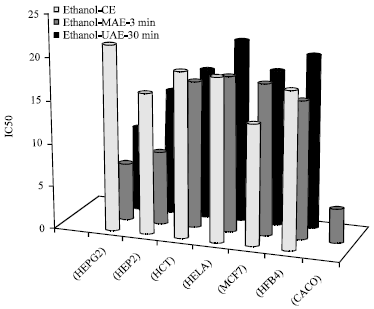 |
| Fig. 9: | Anticarcinogenic activity of ethanol, ethanol microwave and ethanol ultrasound sunflower meal extracts on several cell line carcinomas. HEPG2: Liver carcinoma cell line, HEP2: Larynx carcinoma cell line, HCT: Colon carcinoma cell line. HELA: Cervical carcinoma cell line, MCF7: Breast carcinoma cell line, HFB4: Normal melanocytes CACO: Intestinal carcinoma cell line |
It is worth mentioning that the three extracts were tested against intestinal carcinoma cell line (CACO) but they demonstrated a killing effect on the intestinal carcinoma cell line below 50%, under the investigated concentrations, thus no IC50 was recorded. For normal melanocytes methanol and ethanol meal extracts exhibited the same effect with IC50 18.2 μg mL-1 which indicates that the these extracts kills normal cells to more or less a close extent to carcinoma cells while the IC50 for acetone meal extract was higher, meaning killing less normal cells than cancer cells.
Looking back to Fig. 8 when commenting on the activity of each extract alone it is obvious that the effect of the acetone meal extract according to its IC 50 values on the different cell lines was in the following descending order: MCF7>HEP2>HEPG2>HELA>HCT>HFB4.While the methanol meal extract showed the following effect on the cell lines: HEP2>HCT>HFB4>>HEPG2 >MCF7>HELA. Finally ethanol meal extract exhibited activity on the cell lines according to the following order: MCF7>HEP2>HFB4>HELA>HCT>HEPG2. This difference in tendency of cytotoxicity of phenolic extracts towards different cell lines might be due to the susceptibility of cancer types to the same phenolic extracts.
Figure 9 shows the anticarcinogenic activity of 60% ethanol-MAE-3 min and 60% ethanol-UAE-30 min sunflower meal extracts together with 80% ethanol-CE extract prepared conventionally for comparison. It is very clear from the results that the 60% ethanol-MAE-3min was superior to the two other extracts regarding its effect on killing the live cells of all different carcinoma cell lines with the exception of breast carcinoma cell line which was affected mostly by 80% ethanol-CE. Only (ethanol-MAE-3min) had an effect on intestinal carcinoma cell line with IC50 = 4.05 μg mL-1. Ethanol-UAE-30min had lower IC50 than (ethanol-CE) with cell lines: Liver carcinoma, larynx carcinoma, colon carcinoma while (ethanol-CE) was more effective than ethanol-AE-30 min on the following cell lines: Cervical carcinoma, breast carcinoma and normal melanocytes. Both ethanol-CE and ethanol-UAE-30 min had little effect on intestinal carcinoma cell line, with values below IC50.
Concerning the activity of each extract on the different cell lines, the IC50 for (ethanol-EC) was in the following order: MCF7>HEP2>HFB4>HELA>HCT>HEPG2 and IC50 for ethanol-MAE-3 min. was CACO>HEPG2>HEP2>HFB4>HCT>MCF7>HELA. Consequently ethanol-UAE-30 min. had IC50 in the following order HEPG2>HEP2>HCT>MCF7>HFB4>HELA. The five examined extracts in Figure 8 and 9 proved to have different degrees of anticarcinogenic activities but as recommended by the Biology Department, National Cancer Institute further pharmacological investigations of the extracts in vitro and in vivo are required.
According to HPLC analysis of these sunflower meal extracts it is clear that chlorogenic acid is the main component of these extracts together with very little caffeic acid and traces of other unidentified phenolics. In accordance with our results it is reported in the literature that chlorogenic acid has anticarcinogenic activity (Yagasaki et al., 2000; Lin et al., 2005; Belkaid et al., 2006; Islam et al., 2009; Texas and University, 2010).
CONCLUSION
Results of this work recommend the use of acetone as extracting solvent to both total phenolic compounds and chlorogenic acid from dehulled defatted sunflower seed meal. In spite of the superiority of acetone yet the use of 60% ethanol is preferred and recommended when preparing chlorogenic acid for Food or human use. Both microwave assisted extraction and ultrasound assisted extraction proved to be more efficient than conventional solvent extraction, resulting in higher phenolic yields. The prepared phenolic extracts containing chlorogenic acid possess antioxidant, antimicrobial and anticarcinogenic properties. Consequently this extract is suitable for the use in the food and pharmaceutical industries.
ACKNOWLEDGMENT
The authors wish to thank the Science and Technology Development Fund (STDF), Egypt, the present research was a part of a project financed by them, Grant No 1192. Thanks are also to Mr. Fathy Ali for his help with the HPLC analysis.
REFERENCES
- AOAC., 2005. Official Methods of Analysis of the Association of Official Analytical Chemist. 18th Edn., Horwitz William Publication, Washington, DC., USA.
Direct Link - Alberto, M.R., M.E. Farias and M.C. Manca da Nadra, 2001. Effect of gallic acid and catechin on Lactobacillus hilgardii 5w growth and metabolism of organic compounds. J. Agric. Food Chem., 49: 4359-4363.
CrossRef - Anderson, J.W., 2003. Whole grains protect against atherosclerotic cardiovascular disease. Proc. Nutr. Soc., 62: 135-142.
CrossRefPubMedDirect Link - Antolovich, M., P.D. Prenzler, K. Robards and D. Ryan, 2000. Sample preparation in the determination of phenolic compounds in fruits. Analyst, 125: 989-1009.
CrossRefDirect Link - Belkaid, A., J. Currie, J. Desgagnes and B. Annabi, 2006. The chemopreventive properties of chlorogenic acid reveal a potential new role for the microsomal glucose-6-phosphate translocase in brain tumor. Cancer Cell Int., 6: 7-7.
CrossRefDirect Link - Bahri-Sahloul, R., S. Ammar, R.B. Fredj, S. Saguem, S. Grec, F. Trottin and F.H. Skhiri, 2009. Polyphenol contents and antioxidant activities of extracts from flowers of two Crataegus azarolus L. varieties. Pak. J. Biol. Sci., 12: 660-668.
CrossRefPubMedDirect Link - Cater, C.M., S. Ghyasuddin and K.F. Mattil, 1972. The effect of chlorogenic, quinic and caffeic acids on the solubility and color of protein isolates, especially from sunflower seed. Cereal Chem., 49: 508-514.
Direct Link - Cowan, M.M., 1999. Plant products as antimicrobial agents. Clin. Microbiol. Rev., 12: 564-582.
CrossRefPubMedDirect Link - De Castro, M.D.L. and L.E. Garcia-Ayuso, 1998. Soxhlet extraction of solid matrices: An outdated technique with a promising innovative future. Anal. Chim. Acta, 369: 1-10.
CrossRef - De Leonardis, A., V. Macciola and N. Di Dominico, 2005. A first pilot study to produce food antioxidant from sunflower seed shells (Helianthus annus). Eur. J. Lipid Sci. Technol., 107: 220-227.
CrossRefDirect Link - Dai, J. and R.J. Mumper, 2010. Plant phenolics: Extraction, analysis and their antioxidant and anticancer properties. Molecules, 15: 7313-7352.
CrossRefPubMedDirect Link - Garcia-Salas, P., A. Morales-Soto, A. Segura-Carretero and A. Fernandez-Gutierrez, 2010. Phenolic-compound-extraction systems for fruit and vegetable samples: Review. Molecules, 15: 8813-8826.
PubMed - Luthria, D.L., R. Biswas and S. Natarajan, 2007. Comparison of extraction solvents and techniques used for the assay of isoflavones from soybean. Food Chem., 105: 325-333.
CrossRef - Estevinho, L., A.P. Pereira, L. Moreira, L.G. Dias and E. Pereira, 2008. Antioxidant and antimicrobial effects of phenolic compounds extracts of Northeast Portugal honey. Food Chem. Toxicol., 46: 3774-3779.
CrossRefPubMedDirect Link - Ghafoor, K., Y.H. Choi, J.Y. Jeon and I.H. Jo, 2009. Optimization of ultrasound-assisted extraction of phenolic compounds, antioxidants, and anthocyanins from grape (Vitis vinifera) seeds. J. Agric. Food Chem., 57: 4988-4994.
CrossRefDirect Link - Hayouni, E.A., M. Abedrabba, M. Bouix and M. Hamdi, 2007. The effects of solvents and extraction method on the phenolic contents and biological activities in vitro of tunisian Quercus coccifera L. and Juniperus phoenicea L. fruit extracts. Food Chem., 105: 1126-1134.
CrossRefDirect Link - Herrera, M.C. and L. de Castro, 2005. Ultrasound-assisted extraction of phenolic compounds from strawberries prior to liquid chromatographic separation and photoidide array ultraviolet detection. J. Chromatogr. A, 1100: 1-7.
CrossRefDirect Link - Islam, I., A.U. Shaikh and I.M. Shahidul, 2009. Antioxidative and antimutagenic potentials of phytochemicals from Ipomoea batatas (L.) Lam. Int. J. Cancer Res., 5: 83-94.
CrossRefDirect Link - Iwu, M.M., A.R. Duncan and C.O. Okunji, 1999. New Antimicrobials of Plant Origin. In: Perspectives on New Crops and New Uses, Janick, J. (Ed.). ASHS Press, Alexandria, VA., USA., ISBN-13: 9780961502706, pp: 457-462.
Direct Link - Ling, J.J., M. Mohamed, A. Rahmat and M.F. Abu Bakar, 2010. Phytochemicals, antioxidant properties and anticancer investigations of the different parts of several gingers species (Boesenbergia rotunda, Boesenbergia pulchella var. attenuata and Boesenbergia armeniaca). J. Med. Plants Res., 4: 27-32.
Direct Link - Kotzekidou, P., P. Giannakidis and A. Boulamatsis, 2008. Antimicrobial activity of some plant extracts and essential oils against foodborne pathogens in vitro on the fate of inoculated pathogens in chocolate. LWT-Food Sci. Technol., 41: 119-127.
CrossRefDirect Link - Kuda, T., M. Tsunekawa, H. Goto and Y. Araki, 2005. Antioxidant properties of four edible algae harvested in the Noto Peninsula, Japan. J. Food Compos. Anal., 18: 625-633.
CrossRefDirect Link - Lin, U.H., J.Y. Lee, S.K. Kang, J.K. Kim and W.H. Park et al., 2005. A phenolic compound, 5-caffeoylquinic acid (Chlorogenic acid) is a new type and strong matrix metalloproteinase-9 inhibitor: Isolation and identification from methanol extract of Euonymus alatus. Life Sci., 77: 2760-2769.
CrossRefDirect Link - Liompart, M.P., R.A. Lorenzo, R. Cela, K. Li, J.M.R. Belanger and J.R.J. Pare, 1997. Evaluation of supercritical fluid extraction, microwave-assisted extraction and sonication in the determination of some phenolic compounds from various soil matrices. J. Chromatogr. A, 774: 243-251.
CrossRef - Liu, Q.M., X.M. Yang, L. Zhang and G. Majetich, 2010. Optimization of ultrasonic-assisted extraction of chlorogenic acid from Folium eucommiae and evaluation of its antioxidant activity. J. Med. Plants Res., 4: 2503-2511.
Direct Link - Malmberg, A.G. and O. Theander, 1985. Determination of chlorogenic acid in potato tubers. J. Agric. Food Chem., 33: 549-551.
CrossRefDirect Link - Mandal, V., Y. Mohan and S. Hemalatha, 2007. Microwave assisted extraction: An innovative and promising extraction tool for medicinal plant research. Pharmacogn. Rev., 1: 7-18.
Direct Link - McCarty, M.F., 2004. Proposal for a dietary phytochemical index. Med. Hypotheses, 63: 813-817.
CrossRefDirect Link - Marinova, E.M., A. Toneva and N. Yanishlieva, 2009. Comparison of the antioxidative properties of caffeic and chlorogenic acids. Food Chem., 114: 1498-1502.
CrossRef - Naczk, M. and F. Shahidi, 2004. Extraction and analysis of phenolics in food. J. Chromatogr. A, 1054: 95-111.
CrossRefPubMedDirect Link - Parejo, I., O. Jauregui, F. Sanchez-Rabaneda, F. Viladomat, J. Bastida and C. Codina, 2004. Separation and characterization of phenolic compounds in fennel (Foeniculum vulgare) using liquid chromatography-negative electrospray ionization tandem mass spectrometry. J. Agric. Food Chem., 52: 3679-3687.
CrossRefPubMedDirect Link - Pomenta, J.V. and E.E. Burns, 1971. Factors affecting chlorogenic, quinic and caffeic acid levels in sunflower kernels. J. Food Sci., 36: 490-492.
CrossRefDirect Link - Rauha, J.P., S. Remes, M. Heinonen, A. Hopia and M. Kahkonen et al., 2000. Antimicrobial effects of Finnish plant extracts containing flavonoids and other phenolic compounds. Int. J. Food Microbiol., 56: 3-12.
CrossRefPubMedDirect Link - Robertson, J.A., 1972. Sunflowers: America's neglected crop. J. Am. Oil Chem. Soc., 49: 239-244.
CrossRefDirect Link - Vaquero, M.J.R., L.R.T. Serravalle, M.C.M. de Nadra and A.M.S. de Saad, 2010. Antioxidant capacity and antibacterial activity of phenolic compounds from argentinean herbs infusions. Food Control, 21: 779-785.
CrossRef - Scalbert, A., 1991. Antimicrobial properties of tannins. Phytochemistry, 30: 3875-3883.
CrossRefDirect Link - Skehan, P., R. Storeng, D. Scudiero, A. Monks and J. McMahon et al., 1990. New colorimetric cytotoxicity assay for anticancer-drug screening. J. Nat. Cancer Inst., 82: 1107-1112.
CrossRefPubMedDirect Link - Smith, J.K., 1971. Nutritional framework of oilseed proteins. J. Am. Oil Chem. Soc., 48: 625-628.
CrossRef - Sosulski, F.W., C.W. McCleary and F.S. Soliman, 1972. Diffussion and extraction of chlorogenic acid from sunflower kernels. J. Food Sci., 37: 253-256.
CrossRefDirect Link - Spirad, G. and S.M.N. Rao, 1987. Effect of methods to remove polyphenols from sunflower meal on the physicochemical properties of the proteins. J. Agric. Food Chem., 35: 962-967.
CrossRefDirect Link - Stevenson, D.E. and R.D. Hurst, 2007. Polyphenolic phytochemicals-just antioxidants or much more? Cell. Mol. Life Sci., 64: 2900-2916.
CrossRefDirect Link - Sun, J., Y.F. Chu, X. Wu and R.H. Liu, 2002. Antioxidant and antiproliferative activities of common fruits. J. Agric. Food Chem., 50: 7449-7454.
CrossRefPubMedDirect Link - Taha, F.S., M. Abbassy, A.S. El-Nockrashy and Z.E. Shoeb, 1980. Nutritional evaluation of sunflower-seed protein products. J. Nutr. Sci., 19: 191-202.
PubMedDirect Link - Trugo, L.C. and R. Macrae, 1984. Chlorogenic acid composition of instant caffees. Analyst, 109: 263-266.
CrossRefDirect Link - Turkmen, N., Y.S. Velioglu, F. Sari and G. Polat, 2007. Effect of extraction conditions on measured total polyphenol contents and antioxidant and antibacterial activities of black tea. Molecules, 12: 484-496.
CrossRefPubMedDirect Link - Urs, N.V.R.R. and J.M. Dunleavy, 1975. Enhancement of the bactericidal activity of a peroxidase system by phenolic compounds (Xanthomonas phaseoli var. sojensis, soybeans). Phytopathology, 65: 686-690.
CrossRefDirect Link - Vilkhu, K., R. Mawson, L. Simons and D. Bates, 2008. Applications and opportunities for ultrasound assisted extraction in the food industry-A review. Innov. Food Sci. Emerg. Technol., 9: 161-169.
CrossRefDirect Link - Vrhovsek, U., A. Rigo, D. Tonon and F. Mattivi, 2004. Quantitation of polyphenols in different apple varieties. J. Agric. Food Chem., 52: 6532-6538.
CrossRefDirect Link - Weerakkody, N.S., N. Caffin, M.S. Turner and G.A. Dykes, 2010. In vitro antimicrobial activity of less-utilized spice and herb extracts against selected food-borne bacteria. Food Control, 21: 1408-1414.
CrossRefDirect Link - Xiang, Z. and Z. Ning, 2008. Scavenging and antioxidant properties of compound derived from chlorogenic acid in South China honeysuckle. LWT-Food Sci. Technol., 41: 1189-1203.
CrossRef - Xia, D., J. Shi, J. Gong, X. Wu, Q. Yang and Y. Zhang, 2010. Antioxidant activity of Chinese mei (Prunus mume) and its active phytochemicals. J. Med. Plant Res., 4: 1156-1160.
Direct Link - Yagasaki, K., Y. Miura, R. Okauchi and T. Furuse, 2000. Inhibitory effects of chlorogenic acids and its related compounds on the invasion of hepatoma cells in culture. Cytotechnology, 33: 229-235.
CrossRefPubMedDirect Link - Hung, Y.C., V.M. Sava, S.Y. Makan, T.H.J. Chen, M.Y. Hong and G.S. Huang, 2002. Antioxidant activity of melanins derived from tea: Comparison between different oxidative states. Food Chem., 28: 233-240.
CrossRefDirect Link - Al-Saikhan, M.S., L.R. Howard and J.C. Miller Jr., 1995. Antioxidant activity and total phenolics in different genotypes of potato (Solanum tuberosum, L.). J. Food Sci., 60: 341-343.
CrossRefDirect Link