

Antonio Di Giulio
Departrnent of Biomedical Sciences and Technologies,
University of L’Aquila, L’Aquila, Italy
Hongxia Zhao
Helsinki Biophysics and Membrane Group, Institute of Biomedicine, University of Helsinki, Finland
Asian Journal of Biochemistry
Year: 2006 | Volume: 1 | Issue: 1 | Page No.: 28-40







ABSTRACT
Hundreds of antimicrobial peptides has been described in the last two decades. They serve as natural first-line of defense against invasive microbial infection acting alone or synergistically with other innate-immunity defense molecules to combat infection and to control resident microbial population. Isolated from a broad range of both simple and complex organisms, they are generally, short (less than 50 amino acids residues), amphipatic and positively charged. Having as main target the bacterial membranes, although intracellular targets of antimicrobial peptides have been also described, these peptides possess a remarkably low toxicity against normal mammalian cells. Today, due the increased bacterial resistance against antibiotics, the extensive use of antibiotics in the infection treatments, together with the expanding number of immuno-compromised patients at risk of invasive infections this new natural agents that protects against infections may represents a solution for the need of safe and effective antimicrobial agents. However, technical difficulties and high production costs have made the pharmaceutical industry reluctant to invest much effort in the development of antibiotic peptide therapeutics so far. Here we describe the mechanism of action of these intriguing molecules as well their perspectives as new antimicrobial agents.
PDF Abstract XML References Citation
How to cite this article
Antonio Di Giulio and Hongxia Zhao, 2006. Antimicrobial Peptides: Basic Mechanisms of Action and Emerging Pharmacological Interest. Asian Journal of Biochemistry, 1: 28-40.
DOI: 10.3923/ajb.2006.28.40
URL: https://scialert.net/abstract/?doi=ajb.2006.28.40
DOI: 10.3923/ajb.2006.28.40
URL: https://scialert.net/abstract/?doi=ajb.2006.28.40
INTRODUCTION
Eukaryotic Antimicrobial Peptides (AMPs) are the effectors molecules of the innate immunity of multicellular organisms representing their first-line of defense against invading pathogens either bacteria, protozoa, or fungi. The deterrent role exerted by these molecules have received increasing attention in recent years, in fact from 1979, when a pioneer paper appeared, to August 2004 more than 1800 papers concerning these molecules have been published with a marked increase in the last decade. Although this growing interest depends mainly on the versatility of these molecules as first rapidly-reacting line of host defense against several types of microbial agents, AMPs can also be viewed as a therapeutic alternative to the worldwide spread or multiresistance against classical antibiotics in the attempt to use these molecules and/or its derivatives as substitutes and/or integrators of drugs.
Since multicellular organisms represent rich sources of nutrients for several microbial pathogens, today, the increased bacterial resistance against antibiotics caused by the use of low levels of antibiotics as growth promotors in animal feeds (Witte, 1998) and the extensive use of antibiotics in the infection treatments (Dickema et al., 2000) together with the expanding number of immuno-compromised patients at risk of invasive infections have determined a more problematic cohabitation of humans and microorganisms. Therefore new natural agents that protects against infections may represents a therapeutic solution to this coexistence. Moreover, AMPs have potentials as food-grade additives and it has been proposed their use to fight phytopathogens in agriculture and post harvested conservation. Consequently, the production of a large variety of natural non-toxic antimicrobial peptides from both plants and animals is attracting increasing attention also in food technology (Lopez-Garcia et al., 2003).
The effectors of the innate immune response, included AMPs, do not possess two of the main properties of the classical immune system: memory, necessary to prevent reinfection by microbes previously encountered by the host and high specificity. Many, but not all, have an unusually broad spectrum of activity against both Gram-positive and -negative bacteria, protozoa, yeasts, fungi and even viruses, but have remarkably low toxicity against normal mammalian cells. AMPs do share with the factors of adaptive immunity other important features, like that of being inducible by bacteria or their products (although they can also be, in some instances, constitutively expressed in healthy tissues) and the ability to distinguish self from infectious non-self (Mangoni et al., 2001).
Up to now hundreds of different AMPs have been isolated from different biological sources, such as amphibians, insects, mammals including humans, plants, invertebrate and prokaryotes. AMPs from higher organisms are gene-encoded and synthesized by ribosome and the resulting primary translation product is normally processed further to the mature active peptide. Usually 12 to 50 amino acids in length, the many determined sequences of antimicrobial peptides show no clear homology, but share peculiar characteristics such as a large percentage of hydrophobic residues (usually around 50%) and an excess of basic amino acids (essentially arginine and lysine and, to a minor extent, histidine) over acidic amino acids, which gives a cationic character to the entire molecule with a net positive charge of +2 to +9 (Hwang and Vogel, 1998).
In spite of the vast array of structural features reported for the AMPs they share an amphipathic character having one face positively charged and the other neutral and hydrophobic. According to several studies, a unifying vision of their primary mechanism of action has emerged and it is now widely accepted that most of them exert their lethal effect by perturbing the integrity of cell membranes of microorganisms (McElhaney and Prenner, 1999). As expected for a factor of innate immunity, the interaction with membranes would be non specific and only driven by the hydrophobicity and cationic character of the peptide on one side and by the physicochemical properties of the membrane itself on the other. Thus, the basis for necessary discrimination between host self and pathogen non-self cells seems to be the lipid composition of the target membrane and the existence of a large transmembrane electrical potential in peptide susceptible organisms (Hancock and Chapple, 1999). The existence of such a physical mechanism of action, based on cationic and hydrophobic interactions with selected membrane lipids, would also account for the high speed of action shown by most antimicrobial peptides when challenged in vitro with target microbes. Another advantage for the host of investing in antimicrobial peptides as defense weapons, is that, given the non-specificity of their mechanism, it is not easy for microbial pathogens to develop resistant mutants to overcome peptide attack.
Although AMPs act mainly by permeabilizing the cell membranes of microorganisms, increasing evidence is accumulating that they might also operate through a variety of mechanisms other than disruption of membrane integrity. Stimulation of host defense-mechanisms by AMPs (Ammar et al., 1998; Welling et al., 1998) receptor-mediated signaling activities of some peptides (Yang et al., 2002) and the idea that many AMPs actually do act by entering the selected cells and binding to some intracellular targets such as DNA, interfering with their metabolic function, were also reported. Another emerging view is that many peptides could act synergistically with other host molecules with antimicrobial activity to kill microbes. Thus, the importance of AMPs extends beyond their antimicrobial activities, as their broad biological activities indicate they are effectors, providing communication between innate and adaptative immune systems (Yang et al., 2002).
The purpose of this review is to describe the recent progresses made in understanding the interaction of AMPs and microorganisms. In particular we focus on the known mechanisms of action of these peptides and on the marked expansion of our knowledge of new AMPs that have reached clinical trials and/or are undergoing preclinical testing.
Classification of Antimicrobial Peptides
Several AMPs have been described so far and an online catalogue on cationic peptides is now available (http://www.bbcm.univ.trieste.it/~tossi/pag1.htm), in which the diversity of sequences is such that the same peptide sequence is rarely recovered from two different origins. The variability of AMPs probably reflects the species’ adaptation to the unique microbial environments that characterize the niche occupied, including the microbes associated with acceptable food sources.
The diversity of AMPs discovered is so great that it is difficult to categorize them except broadly on the basis of their secondary structure (van't Hof et al., 2001). The fundamental structural principle is the ability of a peptide to adopt a shape in which clusters of hydrophobic and cationic amino acids are spatially organized in discrete parts of the molecule. It is common to classify AMPs into four groups according to their secondary structure. The main structural features of some well-studied AMPs originating from a wide range of sources, selected as representative examples of their structural class (Table 1). This classification follows that proposed by van't Hof et al. (2001) whose main characteristics are listed below:
Group I: Linear Peptides with an α-helical Structure
One of the larger and better studied classes of AMPs is those forming cationic amphipathic helices. These peptides adopt disordered structures in aqueous solution while fold into an α-helical conformation upon interaction with hydrophobic solvents or lipid surfaces. α-helical peptides are often found to be amphipathic and can either absorb onto the membrane surface or insert into the membrane as a cluster of helical bundles. The majority of the cytotoxic amphipathic helical peptides are cationic and they do exhibit selective toxicity for microbes. There are also hydrophobic or slightly anionic α-helical peptides, these last exhibit less selectivity towards microbes and mammalian cells. Peptides that are not cationic exhibit less selectivity towards microbes compared to mammalian cells.
Group II: Conformationally More Restrained Peptides Predominantly Consisting of β-strands Connected by Intramolecular Disulfide Bridges
In contrast to the linear α-helical peptides, β-sheet peptides are cyclic peptides constrained either by disulfide bonds or by cyclization of the peptide backbone. They largely exist in the β-sheet conformation in aqueous solution that may be further stabilized upon interactions with lipid surfaces. Defensins are among the most characterized β-sheet-forming AMPs. Different mechanisms involving either the perturbation of lipid bilayers or the formation of discrete channels have been suggested for these peptides. Recent studies indicate that replacement of the cysteine residues by certain amino acids like Ala, Asp and Leu lead to inactivation of the peptides, whereas analogs with aromatic residues Phe, Tyr and hydrophobic amino acid like Leu, Met and Val retained broad spectrum antimicrobial activity. Studies with tachyplesin analogs, where the SH groups were chemically protected to prevent cyclization or cysteines were replaced by Ala residues, suggested that the cyclic structure was essential for antimicrobial activity while it might not be crucial for membrane permeabilization (Tamamura et al., 1998).
Group III: Linear Peptides with an Extended Structure, Characterized by over Representation of One or More Amino Acids
Certain AMPs have an unusual amino acid composition, having a sequence that is rich in one or more specific amino acids. For example, the peptide histatin, which is produced in saliva, is highly rich in His residues (Table 1). This peptide translocates across the yeast membrane and targets to the mitochondria, suggesting an unusual antifungal mechanism (Helmerhorst et al., 1999). The peptides produced by porcine neutrophils are very rich in proline and arginine or proline and phenylalanine. They belong to the cathelicidin family of AMPs and are called PR-39 and prophenin, respectively. Tryptophan is generally not an abundant amino acid residue in peptides or proteins. This amino acid is of particular interest with regard to the partitioning of peptides into membranes because of its propensity to position itself near the membrane/water interface. Examples of AMPs that are rich in Trp include tritrpticin (VRRFPWWWPFLRR) and indolicidin (ILPWKWPWWPWRR-Am). Indolicidin has been shown to permeabilize the outer membrane of E. coli to form channels,. This peptide incorporates in a highly cooperative manner within the acyl chain region of the membrane and its hemolytic activity is associated with the concentration required for its self-association (Ahmad et al., 1995).
| Table 1: | Classification and origin of some representative antimicrobial peptides. |
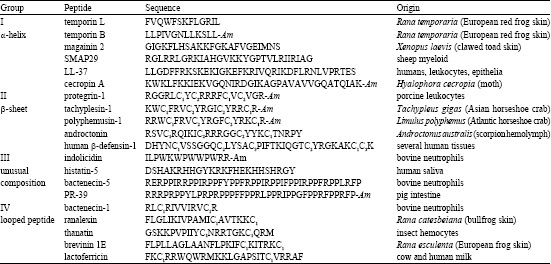 | |
| Note: -Am represents an amidated C-terminus, subscripts numbers represent amino acids that are joined by disulfide bridges. | |
Group IV: Peptides Containing a Looped Structure
In contrast to other AMPs, proline-arginine-rich peptides cannot form amphipathic structures due to the incompatibility of high concentration of proline residues in such structures and have been proposed to adopt a polyproline helical type-II structure. Lantibiotics contain small ring structures enclosed by a thioether bond and their structure and properties have been reviewed (Montville and Chen, 1998). One of the lantibiotics, nisin, is currently used as an antimicrobial agent for food preservation and this peptide has relatively high activity against Gram-positive bacteria due to its specific high affinity with Lipid II, a precursor in the bacterial cell wall synthesis. Recently synthesized six- and eight residue cyclic D, L-α-peptides have been found to exhibit high efficacy to kill bacteria with low hemolytic activity (Fernandez-Lopez et al., 2001). Upon binding to lipid membranes the cyclic peptides can stack to form hollow, β-sheet-like tubular structures increasing membrane permeability. With short size, easy to synthesize and being proteolytically stable, this class of peptides holds considerable potential in fighting existing and emerging infectious diseases.
Mechanisms of Action of Antimicrobial Peptides
The peculiarity of AMPs is their cell specificity by which they kill microbes but are non-toxic to mammalian cells. For most of the known peptides it is clear that bacterial membranes are the main target and the lysis is the and of their action (McElhaney and Prenner, 1999). The relative insensitivity of eukaryotic cells to AMPs is generally ascribed to differences in lipid composition between eukaryotic and prokaryotic cell membranes (Matsuzaki, 1999). It has been proposed that the net positive charge of the AMPs accounts for their preferential binding to the negatively charged outer surface of bacteria, which is different from the predominantly zwitterionic surface of normal mammalian cells. Also a less negative membrane potential in eukaryotes than in prokaryotes plays an important role in their selectivity (Matsuzaki, 1999). Tumor cells have lost part of their lipid asymmetry and therefore exhibit a more anionic character on the external leaflet of their plasma membrane, which thus preferentially binds cationic AMPs.
Many AMPs bind in a similar manner to negatively charged membranes and permeate them, resulting in the formation of a pathway for ions and solutes. Before reaching the phospholipidic membrane peptides must transverse the negatively charged outer wall of Gram-negative bacteria containing LPS or through the outer cell wall of Gram-positive bacteria containing acidic polysaccharides. Hancock described this process as a ‘self promoted uptake’ with respect to Gram-negative microorganisms (Hancock, 1997). In this mechanism, the peptides initially interact with the surface LPS, causing disruption of the outer membrane and peptides pass through the disrupted outer membrane and reach the negatively charged phospholipids cytoplasmic membrane. The amphipathic peptides can partition into cytoplasmic membrane through hydrophobic and electrostatic interactions, causing stress in the lipid bilayer. When the unfavorable energy reaches a threshold, the membrane barrier property is lost, which is the basis of the antimicrobial action of these peptides.
Models Presented for the Mode of Action of Antimicrobial Peptides
The action of AMPs induces membrane defects such as phase separation or membrane thinning, pore formation, promotion of nonlamellar lipid structure or bilayer disruption, depending on the molecular properties of both peptide and lipid (Lohner and Prenner, 1999; Zhao et al., 2003). These pathways are variously termed transmembrane pores, wormholes or toroidal pores and channel aggregates. An interesting ‘in plane diffusion’ model has also been proposed, where lipid-mediated channel formation is based on the curvature stain imposed on lipid membranes in the presence of intercalated amphipathic peptides. This model is independent of peptide aggregation, which has been reported to be entropically and electrostatically disfavored even in the presence of negatively charged phospholipids.
Two general mechanisms were originally proposed to describe the process of phospholipids membrane permeation by membrane-active peptides, the ‘barrel-stave’ and the ‘carpet’ mechanisms. The third mechanism, the aggregate channel formation, was also proposed for peptides without causing significant membrane depolarization. The models can be briefly summarized as follows:
A) “barrell-stave” model
The formation of transmembrane pores was postulateted to be a feasible mechanism for membrane permeation by amphipathic α-helical peptides (Boman, 1995). To form a pore across the bilayer, a bundle of α-helical peptides spans perpendicularly to the membrane, with the peptides’ hydrophobic moieties interacting with the lipid core and their hydrophilic surfaces pointing inward, lining the resulting aqueous channel. Thus, the pore behaves as a protein complex inserted into the membrane. Such a mechanism for membrane permeation by α-helical peptides is often referred to as “barrel-stave”. The formation of such transmembrane pores (or channels) leads to dissipation of the proton motive force and disruption of the membrane potential, cell metabolite leakage and ultimately to cell lysis.
B) “carpet-like model”
The so-called “carpet-like” model is another major hypothesis of how AMPs can induce the disruption of membrane integrity. In this case, peptides are thought to bind the target membrane lying with their main axis parallel to it, covering the bilayer in a carpet-like manner. When a peptide threshold concentration is reached, the peptide monomers are believed to rotate and reorient towards the hydrophobic core of the membrane, leading to collapse of membrane packing and micellization.
The carpet model has been used to describe the mechanism of action of the majority of AMPs with a cationic net charge, including dermaseptins and cecropins. In this mechanism, electrostatic interactions between the negatively charged lipid head groups of the target membrane and the positively charged peptide are envisaged to drive the first steps of peptide binding (Shai, 1999).
C) “toroidal” or “two-state” model
More recently, a quite complex model, named “toroidal” or “two-state” model, has been proposed that has the potential to explain the action of both helical and β-sheet peptides (Matsuzaki et al., 1996). At a low peptide concentration (i.e., at a low molar peptide-to-lipid ratio, P/L), the peptide is oriented parallel to the plane of the bilayer, being adsorbed in a functionally inactive state in the phospholipids head group region. Above a certain threshold P/L value, the peptides reorient perpendicular to the plane of the bilayer and, together with several surrounding lipids, flip inward, adopting a multi-pore state that leads to irreversible membrane disruption. Importantly, the transition between the two states (inactive/active) of a membrane bound peptide not only depends on the concentration of the peptide itself, but is also modulated by the lipid composition of the bilayer (Matsuzaki et al., 1996; Huang, 2000). It follows that the composition of the lipid assembly is seen as a truly crucial regulatory parameter that determines the susceptibility of a cell to an antimicrobial peptide, whereas the peptide charge regulates membrane affinity and target cell specificity (Huang, 2000). Binding affinity and lytic activity may thus be not necessarily correlated.
Alternative Mechanisms of Action: Intracellular Targets of Antimicrobial Peptides
Most AMPs act directly on lipid bilayers of the target membrane, rather than on a receptor, as discussed in detail above. However, studies with several AMPs have shown that all-L and all-D enantiomers are not of equal activity and the results appear to be strongly species dependent. A stereo specific complementarity between the peptide and a bacterial receptor might exist, at least in certain bacterial species. Receptor-mediated signaling activities of some peptides have also been reported (Yang et al., 2002). Likewise, the AMPs might target intracellular molecules, such as DNA or enzymes, since they are capable of spontaneously traversing bacterial outer and inner membranes. Indolicidin was proposed to inhibit DNA synthesis leading to filamentation in E. coli. Accordingly, increasing evidence indicates that AMPs could also act through a variety of mechanisms other than disruption of membrane integrity and stimulation of host defense-mechanisms by AMPs is becoming apparent in several cases. Among these AMPs, dermaseptin, which was found to stimulate the release of myeloperoxidase and the production of reactive oxygen species by polymorphonuclear leukocytes (Ammar et al., 1998). Also defensins can enhance the recruitment of neutrophils to the infected tissue (Welling et al., 1998) thus increasing the ability of the host to resist local infections. Some AMPs were found to interfere with the metabolic processes of microbes. Accordingly, the glycine-rich attacins block the transcription of the omp gene in E. coli, whereas magainins and cecropins induce selective transcription of its stress-related genes micF and osmY at sub lethal concentrations. Bac5 and Bac7 inhibit protein and RNA synthesis of E. coli and Klebsiella pneumoniae by inhibition of the respiration in addition to their potential to disturb the membranes of these bacteria. PR-39 binds to the cell membrane of E. coli without causing permeabilization, but kills bacteria solely by stopping both DNA and protein synthesis (Boman, 1995). Similarly, buforin II inhibits the cellular functions of E. coli by binding to DNA and RNA after penetrating the cell membranes. Another emerging view is that many peptides act synergistically with other host molecules with antimicrobial activity to kill microbes. Positive cooperativity has been reported between peptides and lysozyme and between different AMPs. More in general, it is becoming clear that there exists a certain degree of coupling between the innate and adaptive immune systems with AMPs having a large impact on the quality and effectiveness of immune and inflammatory responses (Raj and Dentino, 2002).
Although the present scenario is far to be complete, excellent reviews are available that highlight recent examples of these intriguing themes (Hancock and Diamond, 2000; Hancock, 2001)
Therapeutic Perspectives of AMPs
Introduction of Peptide Antibiotics on the Market
The widespread increase of bacterial resistance towards many conventional antibiotics has resulted in an intensive search for alternative antimicrobial agents (Witte, 1998; Dickema et al., 2000). In this respect, AMPs are on the brink of a breakthrough. Due to the increasing interests of AMPs, many companies are making efforts to introduce the antimicrobial peptide products on the market. Natural AMPs have potential application in food preservation as they specifically kill microbial cells by destroying their unique membranes (Lopez-Garcia et al., 2003). Currently, nisin is approved as a food preservative in more than 40 countries worldwide and the use of pediocin PA-1 is covered by several European and US patents. Both nisin and pediocin PA-1 have applications in dairy and canned products. Studies of model food systems demonstrate that pediocin-like bacteriocins are better at killing pathogens in meat products, where nisin is ineffective (Montville and Winkowski, 1997)
AMPs tend to be involved in a local response to infections and the first clinical trials thus have been directed towards topical infections. Magainin Pharmaceuticals have taken the α-helical magainin variant peptide MSI-78 into phase-III clinical trials in studies of efficacy against polymicrobic foot-ulcer infections in diabetes. It was announced in internet (http://www.pslgroup.com/dg/2168e.htm) that these trails demonstrated equivalency to orally administered ofloxacin, but with less side effect. Applied Microbiology has initiated a trial testing the efficacy of the bacterial lantibiotic peptide nisin against Helicobacter pylori stomach ulcers. The antibacterial activity of nisin may not be impressive, but its endotoxin neutralizing activity upon intravenous administration has led to a dramatically increased survival rate. Iseganan (IB-367, Intrabiotics, Mountain View, CA, USA), a protegrinderivative (Mosca et al., 2000), has passed phase II clinical trials for application against oral mucositis successfully and the company has announced plans to launch Phase II/III clinical study to investigate iseganan HCl (Giles et al., 2002), in the prevention of ventilator-associated pneumonia (VAP). Another formulation of this company, iseganan HCl solution for inhalation, has completed phase I clinical trials in cystic fibrosis patients. Other companies, for examples, Periodontix Inc. (Watertown, MA, USA) has entered phase I clinical trials for the application of a histatin-derived peptide against oral candidiasis and Trimeris (Durham, NC, USA) has successfully completed a phase II clinical trial, in which peptide T-20 (Wei et al., 2002) reduced the viral load of HIV-infected patients with up to 97%. Also Demegen (Pittsburgh, PA, USA) has successfully completed animal studies with peptide D2A21 (Robertson et al., 1998), as therapeutic for several types of cancer and has been developing this peptide gel formulation as a wound healing product to treat infected burns and wounds. Demegen’s P113L (histatin 5 fragment) Oral Rinse exhibits significant binding to oral mucosal membranes and has an excellent human safety profile in over 400 treated patients. Another product of Demegen, P113D derived from histatins (Sajjan et al., 2001) , had been granted orphan drug status for the treatment of cystic fibrosis infections.
Interestingly, a number of evidence has shown efficacy of some AMPs against systemic infections, including α-helical-peptide (SMAP29, Table 1) efficacy against P. aeruginosa peritoneal infections, β-sheet-protegrin (Table 1) efficacy against methicillin-resistant S. aureus (MASA), vancomycin-resistant Enterococcus faecalis (VRE) and P. aeruginosa infections and indolicidin (Table 1) in liposome formulation against Aspergillus fungal infections (Ahmad et al., 1995). Entomed (Illkirch, France) ’s product, heliomicin (Lamberty et al., 2001) for systemic antifungal treatment is under preclinical stage. Human lactoferricin (Table 1, AM Pharma, Bunnik, Netherland) and bactericidal/permeability-increasing protein (Xoma, Berkeley, CA, USA) have also been proved to have potential for systemic applications. This has indicated that AMPs could be used as injectable antibiotics against serious bacterial and fungal infections that are resistant to conventional antibiotics.
Indeed, Neuprex™, a systemic formulation of the recombinant BPI-derived peptide rBPI 21 (Xoma Corp., Berkeley, CA, USA), has proven to be very effective in treatment of meningococcal sepsis in phase II/III clinical trials and more than 1000 patients have received NEUPREX in clinical studies without any safety concerns (Horwitz et al., 1996)
Novel Methods for Production and Application of Antimicrobial Peptides
For peptide therapeutics, in order to become real alternatives for conventional antibiotics and achieve similar broad applications, it is essential that their prices will be reduced significantly as long as cheap conventional antibiotics are on the market.
Because most AMPs are simple gene translation products, it is relatively simple to produce them by recombinant expression methods at the place of action, thus avoiding problems associated with proteolysis and rapid clearing. At first, it may seem contradictory to express AMPs in bacteria or yeast cells. However, this can be achieved if the producing microorganisms are resistant to the produced peptide antibiotic. A number of such applications are already known. In dairy products, the addition of bacteria producing lantibiotics as natural conserving agents has been common since the early fifties. A promising new alternative with a lower cost is large-scale production of biologically active proteins in transgenic plants or animals. In recent years, remarkable results have been obtained by producing transgenic plants that express elevated levels of AMPs in leaves and seeds, thus potentially reducing the need for using environmentally hazardous antibacterial or antifungal crop protecting agents (De Bolle et al., 1996). This expression may also provide these plants with built-in preservation agents that prolong their storage lives after harvesting. Another approach to reduce the need of conventional crop protecting agents is to use plant hormones to induce the production of innate antimicrobial factors. An alternative for transgenic techniques that may be applicable in animals or humans is gene therapy. In animal models, incorporation of LL-37 (Bals et al., 1999) or histatin genes in mucosa or salivary glands, respectively, has been demonstrated to lead to an increased antimicrobial defense. Again, the latter applications are limited to external use, including the gastrointestinal tract. As most peptides will not survive passage through the gastrointestinal tract, treatment protocols for systemic infections with peptide therapeutics will be limited to injections for the time being. In specific applications, the rapid clearing of peptides can be reduced by mixing them with a muco-adhesive polymer (Ruissen et al., 1999), or with acrylic bone cement (Yaniv et al., 1999).
Novel formulations may also be necessary to modulate the action of AMPs with little intrinsic selectivity. In an animal model for fungal infection, the high cytotoxicity of indolicidin for host cells was overcome by administration of liposomally encapsulated material (Ahmad et al., 1995). In this respect, the development of vehicles delivering an efficiently high concentration of peptide therapeutics at the right place, right time and reasonable costs, has been becoming a challenge for pharmacologists.
Limitations as Therapeutics
The future of AMPs as antibiotics appears to be great and as mentioned above, a number of AMPs with therapeutic potential have been developed. Although, AMPs are generally considered to be highly selective antimicrobial agents they do not discriminate absolutely between eukaryotes and prokaryotes. Several studies show that simple eukaryotes, such as yeasts, fungi, parasites (Ahmad et al., 1995), even as large ones as planaria (Zasloff, 2002), are effectively killed by cationic peptides. In addition, their unique pharmacological properties have limited their application to topical use. Recent publications describe also changes in bacterial cell wall components induced by environmental conditions, which may be involved in bacterial resistance towards AMPs (Wösten and Groisman, 1999).
Technical difficulties and high production costs have made the pharmaceutical industry reluctant to invest much effort in the development of antibiotic peptide therapeutics so far. The AMPs are too expensive or with a too limited spectrum to be used on a large, commercially interesting scale. The biggest challenge of the near future will be to overcome the pharmacological limitations of these interesting molecules and to develop them into therapeutics.
Antimicrobial Peptides Resistance
As a major component of host innate immunity, AMPs can directly contact and disrupt the bacterial membrane by permeating lipid bilayers and ultimately lead to cell death. However, it is virtually impossible to elicit resistance against some AMPs (Hancock, 2001). Bacterial pathogens have developed the means to curtail the effect of AMPs. Direct degradation of AMPs and modification of cell surface properties are two major strategies used by Gram-negative bacteria to resist the bactericidal activity of AMPs. The former strategy is dependent on the production of outer membrane-associated proteases, which cleave AMPs outside the cells and enable bacteria to evade killing. For example, it has been found that E. coli outer membrane protease OmpT hydrolyzes the antimicrobial peptide protamine before it enters this bacterium (Stumpe et al., 1998). A PhoP-regulated outer membrane protease PgtE of Salmonella typhimurium also contributes to resistance to AMPs (Guina et al., 2000). Because AMPs act on bacterial membranes, Gram-negative bacteria can also protect themselves from attack by AMPs via modification of their cell surface properties to prevent the binding of AMPs to the outer membrane or decrease the permeability of the outer membrane (Ernst et al., 1999). For example, two-component regulatory systems in S. typhimurium including PhoP/PhoQ and PmrA/PmrB, promote antimicrobial peptide resistance by activating transcription of genes that are involved in the modification of lipid A, the bioactive component of LPS (Ernst et al., 1999).
The S. typhimurium PhoP/PhoQ-activated gene pagP, which is essential for addition of palmitate to Salmonella lipid A, encodes an OMP with enzymatic activity involved in lipid A biosynthesis (Bishop et al., 2000). Such lipid A modification changes the fluidity of the outer membrane and decreases the permeability of the outer membrane enhancing the resistance of S. typhimurium to α-helical cationic AMPs. Whether other Gram-negative bacteria use PagP-like enzymes to mediate antimicrobial peptide resistance is largely unknown. However, PagP-mediated lipid A palmitoylation is likely a general mechanism for Gram-negative bacterial resistance to α-helical cationic AMPs (Bishop et al., 2000). Furthermore, synergistic action of multiple resistance strategies can greatly decrease the bactericidal activity of AMPs. One such example is that inactivation of both the protease gene (pgtE) and the lipid A modification gene (pagP) in S. typhimurium resulted in greater antimicrobial peptide sensitivity than that in mutants containing a single mutation in either gene (Guina et al., 2000).
Immunogenicity
Another feature of peptides that may interfere with their use as therapeutics is immunogenicity. Apparently, the mucosal antibody response to short peptides is not very strong. However, for systemic use immunogenic safety is not that obvious. In blood no high levels of AMPs have been reported and the release of systemically working AMPs generally is strictly controlled.
Preliminary results in vivo suggest that AMPs may work as single shot therapeutics, so that the risk of prolonged systemic concentrations high enough to induce an IgG antibody response may be insignificant. However, certain cationic peptides are known to have a direct effect on mast cells, leading to histamine release without an allergenic response. Guinea pig antibacterial polypeptide CAP11, neutrophil defensins and histatin 5 induce a strong histamine release (Yoshida et al., 2001). Furthermore, AMPs may cross-react with other receptors. A number of neuropeptides and peptide hormones with their specific receptors are known. As they are small, often amphipathic, molecules, their receptor-binding sites are presumed to contain only a limited number of essential amino acids. The chance that a similar motif will be found in a peptide antibiotic may become significant upon use of large numbers of different AMPs in considerably higher concentrations than endogenous peptide hormone levels. To this end, as these paragraphs illustrate, the pharmacology and pharmacokinetics of AMPs are still unknown and many studies on these topics are required before the feasibility of peptide therapeutics will be generally accepted by the pharmaceutical industry.
Concluding Remarks
Several cationic peptides have already entered clinical trials with good future prospects, testifying how great is the interest for the clinical application of AMPs.. While the next future will continue to see investigation on these fascinating biomolecules advancing on several distinguished fronts, it will be the task of biochemists and biophysicists to clarify the details of peptide action and to provide information to tune the design of improved AMPs for clinical use.
Up to now several pharmacological limitations, other than those discussed above, of this class of molecules have to be overcome before their enter in the pharmacological market among them their selectivity, specificity, toxicity, sistemic potency, access to the infection site, bioavailability, etc. So that, technical difficulties and high production costs have made the pharmaceutical industry reluctant to invest much effort in the development of antibiotic peptide therapeutics so far. The AMPs are too expensive or with a too limited spectrum to be used on a large, commercially interesting scale.
The biggest challenge of the near future will be to overcome the pharmacological limitations of these interesting molecules and to develop them into therapeutics.
REFERENCES
- Ahmad, I., W.R. Perkins, D.M. Lupan, M.E. Selsted and A.S. Janoff, 1995. Liposomal entrapment of the neutrophil derived peptide indolicidin endows it with In vivo antifungal activity. Biochim. Biophys. Acta., 1237: 109-114.
CrossRef - Ammar, B., A. Perianin, A. Mor, G. Sarfati, M. Tissot and P. Nicolas et al., 1998. Dermaseptin, a peptide antibiotic stimulates microbicidal activities of polymorphonuclear leukocytes. Biochem. Biophys. Res. Commun., 247: 870-875.
CrossRef - Ammar, B., A. Perianin, A. Mor, G. Sarfati, M. Tissot and P. Nicolas et al., 1998. Augmentation of innate host defense by expression of a cathelicidin antimicrobial peptide. Infect. Immun., 67: 6084-6089.
Direct Link - Bishop, R.E., H.S. Gibbons, T. Guina, M.S. Trent, S.I. Miller and C.R. Raetz, 2000. Transfer of palmitate from phospholipids to lipid A in outer membranes of gram negative bacteria. EMBO J., 19: 5071-5080.
PubMed - Boman, H.G., 1995. Peptide antibiotics and their role in innate immunity. Annu. Rev. Immunol., 13: 61-92.
CrossRef - Bolle, M.F.C.D., R.W. Osborn, I.J. Goderis, L. Noe and W.F. Broekaert et al., 1996. Antimicrobial peptides from mirabilis jalapa and amaranthus caudatus expression processing localization and biological activity in transgenic tobacco. Plant Mol. Biol., 31: 993-1008.
PubMed - Dickema, D.J., A.B. Brueggemann and G.V. Doern, 2000. Antimicrobial drug use and changes in resistance in Streptococcus pneumoniae. Emerg. Infect. Dis., 6: 552-556.
PubMed - Ernst, R.K., T. Guina and S.I. Miller, 1999. How intracellular bacteria survive surface modifications that promote resistance to host innate immune responses. J. Infect. Dis., 179: 326-330.
PubMed - Lopez, S.F., H.S. Kim, E.C. Choi, M. Delgado and M.R. Ghadiri et al., 2001. Antibacterial agents based on the cyclic D L alpha peptide architecture. Nature, 412: 452-455.
CrossRef - Bellm, L., F.J. Giles, R. Redman and S. Yazji, 2002. Iseganan HCl: A novel antimicrobial agent. Expert Opin. Invest. Drugs, 11: 1161-1170.
CrossRefDirect Link - Guina, T., C.Y. Eugene, H. Wang, M. Hackett and S.I. Miller, 2000. A PhoP-regulated outer membrane protease of Salmonella enteric serovar Typhimurium promotes resistance to alpha-helical antimicrobial peptides. J. Bacteriol., 182: 4077-4086.
Direct Link - Hancock, R.E.W. and D.S. Chapple, 1999. Peptide antibiotics. Antimicrob. Agents Chemother., 43: 1317-1323.
CrossRefDirect Link - Hancock, R.E.W. and G. Diamond, 2000. The role of cationic antimicrobial peptide in innate host defences. Trends Microbiol., 8: 402-410.
PubMed - Hancock, R.E., 2001. Cationic peptide effectors in innate immunity and novel antimicrobials. Lancet Infect. Dis., 1: 156-164.
PubMed - Helmerhorst, E.J., P. Breeuwer, W.V. Hof, E.W. Weterings and T. Abee et al., 1999. The cellular target of histatin 5 on Candida albicans is the energized mitochondrion. J. Biol. Chem., 274: 7286-7291.
Direct Link - Horwitz, A.H., S.D. Leugh, S. Abrahamson, H.G. Santoro and G. Theofan et al., 1996. Expression and characterization of cysteine modified variants of an amino terminal fragment of bactericidal permeability increasing protein. Protein Expr. Putif., 8: 28-40.
CrossRef - Huang, H.W., 2000. Action of antimicrobial peptides two state model. Biochemistry, 39: 8347-8352.
CrossRef - Hwang, P.M. and H.J. Vogel, 1998. Structure-function relationships of antimicrobial peptides. Biochem. Cell Biol., 76: 235-246.
CrossRefDirect Link - Lamberty, M., A. Caille, C. Landon, S.T. Moindrot, C. Hetru, P. Bulet and F. Vovelle, 2001. Solution structures of the antifungal heliomicin and a selected variant with both antibacterial and antifungal activities. Biochemistry, 40: 11995-12003.
CrossRef - Lohner, K. and E.J. Prenner, 1999. Differential scanning calorimetry and X-ray diffraction studies of the specificity of the interaction of antimicrobial peptides with membrane-mimetic systems. Biochim. Biophys. Acta-Biomembranes, 1462: 141-156.
CrossRefDirect Link - Lopez-Garci, B., A. Veyrat, E. Perez-Paya, L. Gonzalez-Candelas and J.F. Marcos, 2003. Comparison of the activity of antifungal hexapeptides and the fungicides thiabendazole and imazalil against postharvest fungal pathogens. Int. J. Food Microbiol., 89: 163-170.
CrossRefDirect Link - Mangoni, M.L., R. Miele, T.G. Renda, D. Barra and M. Simmaco, 2001. The synthesis of antimicrobial peptides in the skin of Rana esculenta is stimulated by micoorganisms. FASEB J., 15: 1431-1432.
PubMed - Matsuzaki, K., O. Murase, N. Fujii and M. Miyajima, 1996. An antimicrobial peptide magainin 2 induced rapid flip flop of phospholipids coupled with pore formation and peptide translocation. Biochemistry, 35: 11361-11368.
CrossRef - Matsuzaki, K., 1999. Why and how are peptide lipid interactions utilized for self defense magainins and tachyplesins as archetypes. Biochim. Biophys. Acta, 146: 1-10.
CrossRefPubMedDirect Link - McElhaney, R.N., E.J. Prenner and R.N.A.H. Lewis, 1999. The interaction of antimicrobial peptides with model lipid bilayer and biological membranes. Biochim. Biophys. Acta, 1462: 1-234.
CrossRef - Montville, T.J. and Y. Chen, 1998. Mechanistic action of pediocin and nisin recent progress and unresolved questions. Appli. Microbiol. Biotechnol., 50: 511-519.
Direct Link - Mosca, D.A., M.A. Hurst, W. So, B.S.C. Viajar, C.A. Fujii and T.J. Falla, 2000. IB 367 a protegrin peptide with in vitro and in vitro activities against the microflora associated with oral mucositis. Antimicrob. Agents Chemother., 44: 1803-1808.
Direct Link - Raj, P.A. and A.R. Dentino, 2002. Current status of defensins and their role in innate and adaptive immunity. FEMS Microbiol. Lett., 206: 9-18.
PubMed - Robertson, C.N., K.M. Roberson, A. Pinero, J.M. Jaynes and D.F. Paulson, 1998. Peptidyl membrane interactive molecules are cytotoxic to prostatic cancer cells in vitro. World J. Urol., 16: 405-409.
PubMed - Ruissen, A.L.A., W.A.V. Reijden, W.V. Hof, E.C.I. Veerman and A.V.N. Amerongen, 1999. Anti fungal activity of a cationic peptide, analogous to salivary histatin 5 mixed with and covalently linked to xanthan. J. Controlled Rel., 60: 49-56.
CrossRef - Sajjan, U.S., L.T. Tran, N. Sole, C. Rovaldi and D.M. Rothstein et al., 2001. P 113D an antimicrobial peptide active against Pseudomonas aeruginosa retains activity in the presence of sputum from cystic fibrosis patients. Antimicrob. Agents Chemother., 45: 3437-3444.
CrossRef - Shai, Y., 1999. Mechanism of the binding, insertion and destabilization of phospholipid bilayer membranes by α-helical antimicrobial and cell non-selective membrane-lytic peptides. Biochim. Biophys. Acta-Biomembranes, 1462: 55-70.
CrossRefDirect Link - Stumpe, S., R. Schmid, D.L. Stephens, G. Georgiou and E.P. Bakker, 1998. Identification of OmpT as the protease that hydrolyzes the antimicrobial peptide protamine before it enters growing cells of Escherichia coli. J. Bacteriol., 180: 4002-4006.
Direct Link - Tamamura, H., M. Waki, M. Imai, A. Otaka and N. Fujii et al., 1998. Downsizing of an HIVcell fusion inhibitor T22 ([Tyr5 12 Lys7] polyphemusin II) with the maintenance of anti HIV activity and solution structure. Bioorganic. Med. Chem., 6: 473-479.
PubMed - Hof, W.V., E.C.I. Veerman, E.J. Helmerhorst and A.V.N. Amerongen, 2001. Antimicrobial peptides properties and applicability. Biol. Chem., 382: 597-619.
PubMed - Wei, X., J.M. Decker, H. Liu, Z. Zhang and J.C. Kappes et al., 2002. Emergence of resistant human immunodeficiency virus type 1 in patients receiving fusion inhibitor (T 20) monotherapy. Antimicrob. Agents Chemother., 46: 1896-1905.
CrossRef - Welling, M.M., P.S. Hiemstra, M.T.V. Barselaar, A.P. Annema, P.H. Nibbering, E.K. Pauwels and W. Calame, 1998. Antibacterial activity of human neutrophil defensins in experimental infections in mice is accompanied by increased leukocyte accumulation. J. Clin. Invest., 102: 1583-1590.
CrossRef - Witte, W., 1998. Medical consequences of antibiotic use in agriculture. Science, 279: 996-997.
CrossRefPubMedDirect Link - Wosten, M.M. and E.A. Groisman, 1999. Molecular characterization of the pmra regulon. J. Biol. Chem., 274: 27185-27190.
PubMed - Yang, D., A. Biragyn, L.W. Kwak and J.J. Oppenheim, 2002. Mammalian defensins in immunity more than just microbicidal. Trends Immunol., 23: 291-296.
PubMed - Yaniv, M., D. Dabbi, H. Amir, S. Cohen and I. Ofek et al., 1999. Prolonged leaching time of peptide antibiotics from acrylic bone cement. Clin. Orthop. Related Res., 363: 232-239.
Direct Link - Yoshida, M., T. Kimura, K. Kitaichi, R. Suzuki and K. Takagi et al., 2001. Induction of histamine release from rat peritoneal mast cells by histatins. Biol. Pharm. Bull., 24: 1267-1270.
PubMed - Zhao, H.X., A.C. Rinaldi, A. Rufo, A. Bozzi, P.K.J. Kinnunen and A.D. Giulio, 2003. Structural and Charge Requirements for Antimicrobial Peptide Insertion into Biological and Model Membranes. In: Pore Forming Peptides and Protein Toxins, Menestrina, G., M.D. Serra and P. Lazarovici (Eds.). Taylor and Francis, London, pp: 151-78.